What Uneven Concrete Reveals About Property Health
6 min read
1010 words
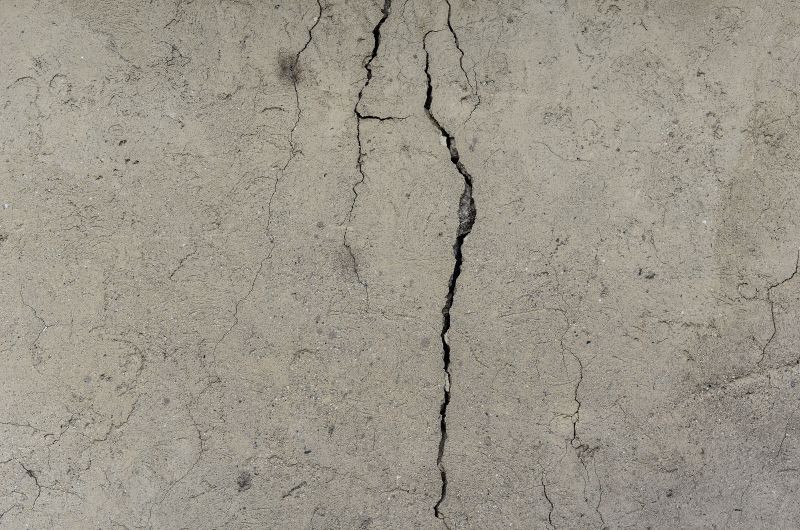
Uneven concrete is one of those details many people notice, but few truly listen to. A slightly sloped warehouse floor or a loading bay that no longer sits level can feel cosmetic at first glance. In reality, these surfaces often act as early messengers, quietly communicating how a property has aged, shifted, and adapted to its environment over time.
For commercial property owners and facility managers, concrete rarely fails without a story behind it. Understanding that story can shape smarter maintenance decisions, protect asset value, and even influence long-term operational planning.
Concrete as a Structural Signal, Not a Surface Problem
Concrete is often treated as a finish rather than a system. In commercial settings, it supports weight, absorbs vibration, and responds constantly to environmental forces. When it becomes uneven, it is usually reacting to something happening below or around it rather than failing on its own.
Subsoil movement is the most common driver. Changes in moisture content, compaction quality, or drainage patterns can all cause the ground beneath slabs to settle unevenly. Over time, the concrete mirrors these shifts, offering a visible signal that the property is evolving beneath the surface.
What Settlement Patterns Can Reveal About Site History
Uneven slabs can act like a timeline of a site’s past decisions. Areas that were once backfilled, rerouted for utilities, or exposed to heavy vehicle traffic tend to settle differently from untouched zones. In commercial properties, this often shows up near loading docks, service corridors, or expansion joints added after original construction.
Rather than viewing these changes as flaws, experienced property managers treat them as data points. They reveal where stress concentrates, how water moves across the site, and which areas may require closer monitoring in future capital planning.
Operational Efficiency and the Cost of Ignoring Subtle Shifts
In commercial environments, even small changes in level can ripple outward. Forklifts may experience increased wear, pallet racking can fall out of tolerance, and automated systems may lose alignment. None of these issues appear overnight, but they quietly erode efficiency.
Uneven concrete also alters how people move through a space. Staff instinctively adjust their routes to avoid problem areas, which can disrupt workflow patterns that were once optimized. Over time, these small adjustments accumulate into measurable operational drag.
Safety as a Byproduct of Structural Awareness
Safety conversations around uneven concrete often focus on trip hazards, which is only part of the picture. More telling is how uneven surfaces change load distribution. When equipment or vehicles repeatedly cross a sloped slab, stress concentrates in unexpected places.
By recognizing uneven concrete as a signal rather than a defect, property teams can address root causes before safety concerns escalate. This approach reframes maintenance from reactive patching to proactive stewardship.
The Relationship Between Drainage and Surface Integrity
Water is one of the most influential forces acting on concrete, especially in large commercial sites. Poor drainage does not always announce itself through visible pooling. Sometimes it shows up as slow, uneven settlement months or years later.
Slabs that tilt subtly toward walls or columns often indicate long-term moisture imbalance. Addressing surface levelness without understanding drainage patterns risks repeating the same cycle. Properties that perform best over decades tend to treat drainage design and slab health as inseparable concerns.
Uneven Concrete as a Financial Indicator
From an investment perspective, uneven concrete often influences perception long before it affects structure. Tenants, inspectors, and buyers read these signals intuitively. A property with visibly shifting slabs can suggest deferred maintenance, even when the underlying structure remains sound.
On the positive side, addressing these issues thoughtfully can strengthen a property’s narrative. It demonstrates attentive ownership and an understanding of how buildings age. In many cases, Top Solutions for Commercial Concrete Lifting allow owners to restore functionality while preserving existing slabs, which supports both sustainability goals and financial efficiency.
Material Longevity and the Myth of Permanence
Concrete is often described as permanent, yet it is better understood as durable but responsive. Temperature changes, vibration from nearby traffic, and evolving load demands all leave their mark over time. Unevenness is not a failure of material but a reflection of use.
Commercial properties that thrive long-term tend to accept this reality. They plan for adjustment rather than assuming initial construction will remain unchanged. This mindset encourages periodic evaluation rather than waiting for visible damage.
Maintenance Strategies That Respect the Whole System
Effective responses to uneven concrete begin with restraint. Jumping straight to removal or replacement can disrupt operations and introduce new variables. More refined strategies focus on stabilization, monitoring, and targeted correction.
By treating slabs as part of a larger system that includes soil, drainage, and usage patterns, property managers can extend service life significantly. These strategies often cost less over time and reduce operational downtime, which matters deeply in commercial settings.
Environmental Factors and Regional Sensitivity
Climate plays a subtle but powerful role in slab behavior. Properties in regions with seasonal moisture swings or clay-rich soils experience movement differently than those on stable, granular ground. Uneven concrete can therefore act as a localized climate response rather than a construction defect.
Understanding regional soil behavior allows owners to interpret slab changes more accurately. It shifts the conversation from blame to adaptation, which leads to smarter long-term decisions.
Reading the Surface to Protect the Asset
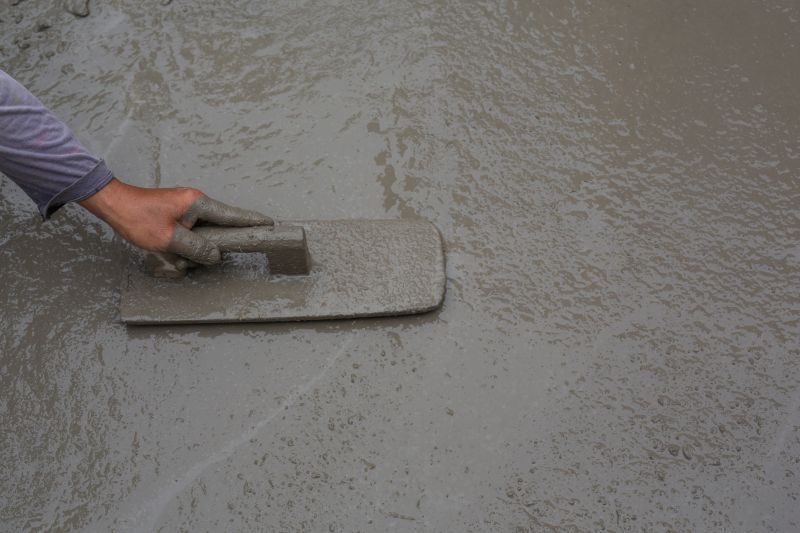
Uneven concrete is almost never a strictly aesthetic issue. Uneven concrete is a surface reflection of many other elements at work beneath the surface of a property.
If you listen carefully to what uneven concrete is telling you about a property’s soil behavior, drainage function, operation, and future maintenance needs, you can create a strategic advantage for yourself as a commercial property owner by understanding what your property is saying early on. The advantage of this is that you will be able to intervene in ways that are both measured and effective, and are consistent with the way that the building operates; thus, uneven concrete is not a warning sign of potential failure, but rather a call to understand your property better and to operate it with confidence over time.