Helping Children Develop Healthy Friendships
3 min read
576 words
There is a specific kind of relief you feel when you see your child laughing with a mate. It isn’t just about them having fun; it is about knowing they aren’t lonely. We all want the children in our care to have that “ride or die” support network, but you can’t force these bonds. You can’t just shove two children in a room and demand they bond. You can, however, set the stage for healthy friendships.
Show, Don’t Just Tell
Children are like sponges, aren’t they? They soak up everything, especially the stuff we don’t think they are noticing. If you are constantly bickering with your partner or complaining about a neighbour, they see that. They learn that conflict is loud and messy.
Try to show them the flip side. Let them see you forgive a friend who let you down. Let them hear you say “I was wrong.” For foster children, this is massive. They might have come from environments where adults were unpredictable. Seeing you handle a disagreement without exploding teaches them that relationships can be safe and stable.
Broadening Their Horizons

It is tempting to let them stay in their bedrooms, glued to screens, but real connection usually happens out in the world. Nudge them towards clubs or sports. It doesn’t have to be the school football team; it could be a Warhammer club, a choir, or a skate park.
This is especially true when fostering teens with the help of an agency like ISP Fostering. Adolescence is tricky. Finding a tribe who likes the same specific stuff they do can change everything for a teenager. It gives them a common language. When they are busy doing something like painting, kicking a ball, coding, the pressure to “make conversation” vanishes. That is often when the best friendships quietly take root.
Who Actually Has Your Back?
We live in an era of likes and followers, which can really mess with a young person’s head. They might think having 500 friends online means they are sorted. You need to be the voice of reason here. Chat to them about how they actually feel after seeing certain people. Drained? Anxious? Or energised?
Teach them that one solid mate who turns up when it’s raining is worth ten fair-weather friends. This lesson is vital for children in care, who might be desperate to fit in and therefore vulnerable to the wrong crowds. Help them spot the people who genuinely cheer them on.
When Things Go Pear-Shaped
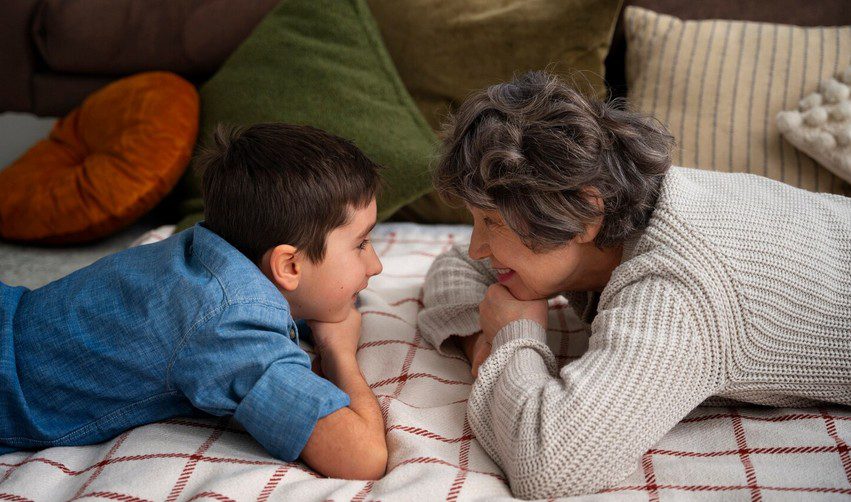
Friendships break. It happens. When your child comes home in tears because their best friend ignored them, don’t rush in to fix it. Don’t call the other parent immediately. Just listen. Make a cup of tea and let them vent.
It hurts to watch them hurt, but they need to learn how to patch things up, or how to walk away. Sometimes, walking away is the right move. If a friendship turns nasty or controlling, give them the permission to end it. They need to know they don’t have to tolerate being treated poorly just to have someone to sit with at lunch.
You are essentially the safety net. You are there to catch them when a friendship fails and to high-five them when it succeeds. It is a long game. By being consistent and open, you are handing them a roadmap for human connection that they will use for the rest of their lives.