How to Prevent a Snow Melt Flood in Your Basement
6 min read
1195 words
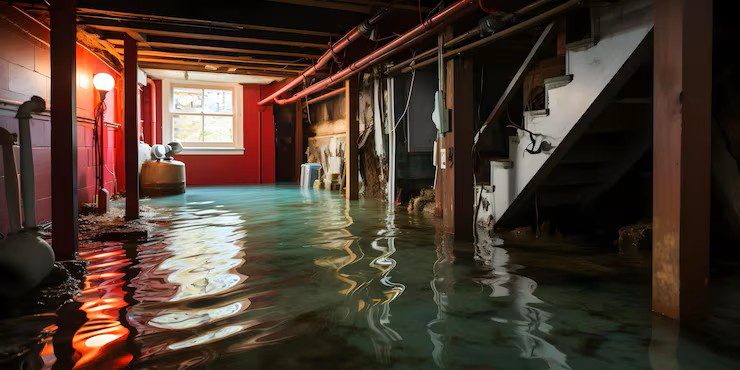
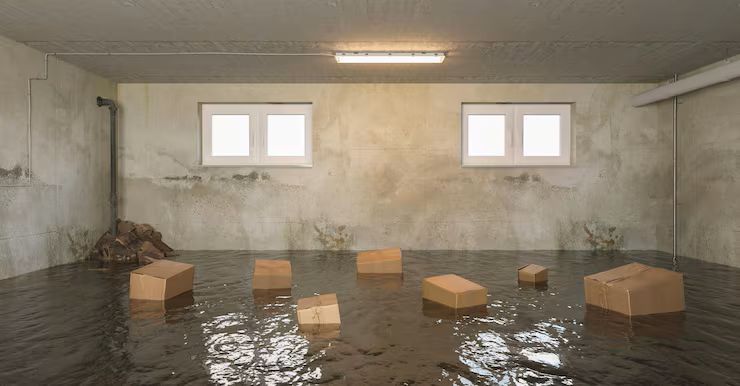
The first warm day of spring is a welcome burst of joy after a long winter. As temperatures rise, the sun shines brighter, and snow begins to disappear, many homeowners look forward to opening windows, spending more time outdoors, and starting spring cleanup. However, the arrival of warmer weather can also bring an unwanted problem: basement flooding. As winter snow melts, large amounts of water can quickly accumulate around your home’s foundation. If your drainage system is not prepared, that water may find its way inside, causing damage to your belongings, flooring, walls, and foundation.
The good news is that a flooded basement is often preventable. With a little preparation and regular maintenance, you can protect your home, reduce the risk of water damage, and enjoy the beauty of spring without worrying about unexpected leaks.
Let’s look at why melting snow causes basement flooding and the steps you can take to stop problems before they start.
Why Melting Snow Can Flood Your Basement
Spring snow melt may seem harmless, but several factors can combine to create the perfect conditions for basement flooding. Frozen soil, heavy runoff, poor drainage, and pressure against your foundation can all increase the risk of water entering your home.
Frozen Ground Prevents Water Absorption
During winter, the ground beneath the snow can remain frozen even after temperatures begin to rise. Frozen soil acts almost like a barrier, preventing water from soaking into the ground naturally.
Instead of being absorbed, melting snow sits on the surface and moves across the landscape. If the water flows toward your home rather than away from it, it can collect around the foundation and increase the chance of leaks.
Spring Runoff Creates Extra Water
Snow does not always melt slowly. A sudden warm spell can cause large amounts of snow to melt within a short period of time.
When snow melt combines with spring rain, the amount of water around your home can increase quickly. Gutters, downspouts, and drainage systems that were not prepared may become overwhelmed, allowing water to pool near your foundation.
Hydrostatic Pressure Can Push Water Inside
When water collects around your foundation, it creates pressure against basement walls and floors. This pressure, known as hydrostatic pressure, can force water through small cracks, gaps, or weak areas.
Even tiny foundation cracks that seem harmless can become entry points for moisture. Over time, repeated exposure to water can lead to bigger problems, including mold growth, damaged materials, and structural concerns.
5 Steps to Prevent a Spring Snow Melt Flood
Preparing your home before the snow fully melts is one of the best ways to avoid basement flooding. These simple steps can help direct water away from your foundation and protect your home.
1. Clean Your Gutters and Downspouts
Your gutters play an important role in protecting your home from water damage. They collect rainwater and melting snow from your roof and direct it away from the foundation.
When gutters become clogged with leaves, twigs, dirt, and other debris, water cannot flow properly. Instead, it may overflow and pour directly beside your foundation.
Before spring snow melt begins:
- Remove leaves and debris from gutters.
- Check for blockages in downspouts.
- Make sure water flows freely through the system.
- Look for damaged or loose sections that may need repair.
A clean gutter system helps prevent unnecessary water buildup around your home.
2. Extend Your Downspouts Away From Your Foundation
Downspouts are designed to move water away from your house, but if they release water too close to the foundation, they can create problems.
Ideally, downspouts should direct water several feet away from your home. Adding extensions or splash blocks can help move water away from vulnerable areas.
Check that:
- Downspouts are connected properly.
- Water is not pooling near your foundation.
- Extensions are secure and positioned correctly.
A simple adjustment can make a significant difference in preventing basement moisture problems.
3. Check Your Yard’s Grading
The slope of your yard plays a major role in where water flows.
Your landscaping should encourage water to move away from your home rather than toward it. If your yard slopes toward the foundation, melting snow and rainwater may collect beside your basement walls.
Look for:
- Puddles near your foundation.
- Areas where water collects after rain.
- Soil that has settled over time.
Adding soil to low areas and creating a gentle slope away from your home can improve drainage and reduce flooding risks.
4. Test Your Sump Pump Before Spring Thaw
If your home has a sump pump, spring is one of the most important times to make sure it is working properly.
A sump pump removes water that collects beneath your home and helps prevent basement flooding. During heavy snow melt, it may be working harder than usual.
To test your sump pump:
- Slowly pour a bucket of water into the sump pit.
- Make sure the pump turns on.
- Check that water is removed properly.
- Confirm that the pump shuts off afterward.
If your sump pump is not working correctly, consider having it repaired before spring runoff begins. Some homeowners also install a backup battery system to provide extra protection during power outages.
5. Inspect and Seal Foundation Cracks
Take time to inspect your basement walls and floors for signs of water entry.
Small cracks may allow moisture to enter, especially when melting snow creates pressure around your foundation.
Watch for:
- Damp spots
- Water stains
- Musty smells
- New cracks
- Expanding cracks
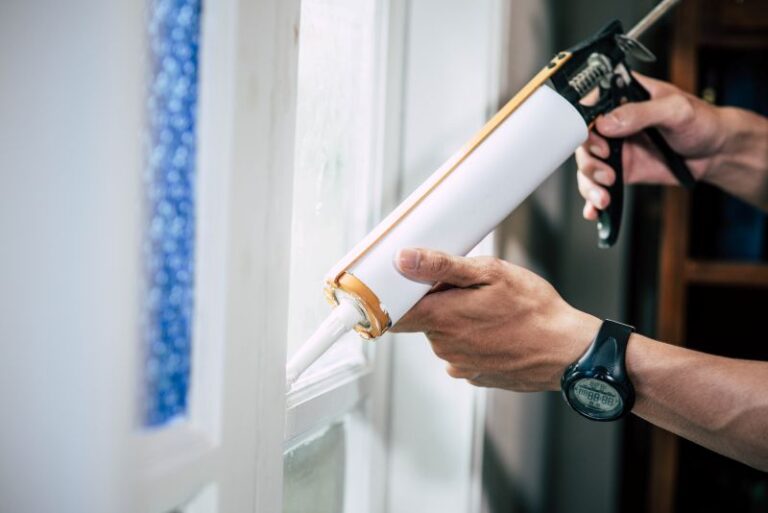
Minor cracks may sometimes be repaired with appropriate waterproofing products. However, larger cracks, horizontal cracks, or cracks that continue to grow should be evaluated by a professional, as they may indicate a more serious foundation issue.
Other Spring Flood Prevention Tips
In addition to these main steps, there are several other ways homeowners can prepare for spring weather.
Remove Snow From Around Your Foundation
If possible, move snow away from the foundation before it melts. Snow piled directly beside your home can send large amounts of water toward your basement when temperatures rise.
Check Window Wells
Basement window wells can collect melting snow and rain. Make sure they are clear of debris and that drainage systems are working properly.
Store Important Items Safely
Avoid storing valuable items directly on basement floors. Using shelves or waterproof storage containers can help protect belongings if unexpected water enters your basement.
Consider a Professional Inspection
If your home has experienced flooding in the past, a professional inspection may help identify problems before they become expensive repairs.
Stay Dry This Spring Without the Stress
Preventing a flooded basement is about more than avoiding water damage. It protects your home’s value, prevents costly repairs, and gives you peace of mind throughout the season.
A few simple tasks, such as cleaning gutters, checking drainage, testing your sump pump, and inspecting your foundation, can save you thousands of dollars in repairs.
As the snow melts and spring flowers begin to bloom, take time to prepare your home. A little prevention now can help ensure your basement stays dry and your spring stays enjoyable.
Do not wait until you discover a puddle on your basement floor. Take action before the thaw begins and give your home the fresh start it deserves.