Fireplace Safety: Here’s The Firewood You Should Not Burn
3 min read
525 words
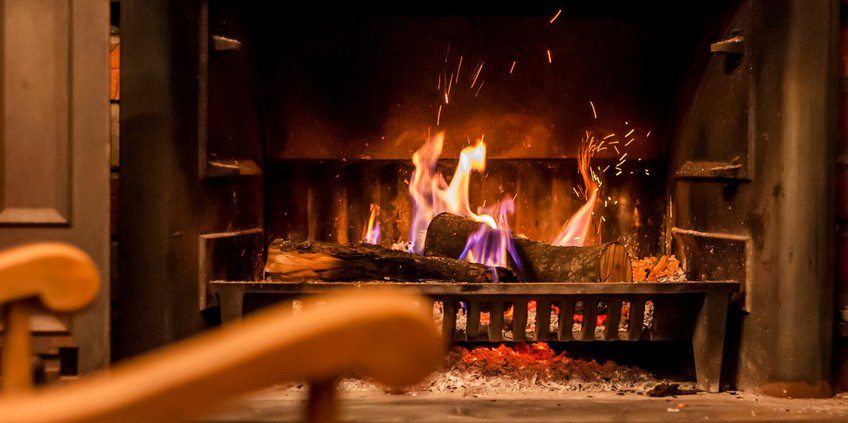
Ensuring your fireplace is a safe and inviting centerpiece for winter gatherings requires more than just lighting a fire—it demands knowledge of proper fuel sources. The type of firewood you burn can significantly impact your home’s safety, the longevity of your fireplace, and even your health. To protect your family and property, avoid burning the following materials in your fireplace.
1. Pressure-Treated or Chemically-Treated Woods
Why It’s Dangerous: Pressure-treated lumber, commonly used in outdoor decks and furniture, contains toxic chemicals like arsenic, chromium, and copper to resist rot. When burned, these compounds release lethal fumes that pose severe health risks and violate fire safety codes.
What to Do Instead: Use only untreated, natural wood. Ensure the wood is labeled as “kiln-dried” or “seasoned” for residential use.
2. Resin-Heavy or High-Sap Woods (e.g., Pine, Spruce, Cedar)
Why It’s Dangerous: Softwoods like pine and cedar burn quickly but produce excessive creosote—a sticky, flammable residue that accumulates in chimneys. Over time, creosote buildup can ignite, leading to devastating chimney fires.
What to Do Instead: Opt for slow-burning, low-resin hardwoods like oak, maple, or hickory. These woods burn cleaner and longer, reducing creosote risks.
3. Wet, Unseasoned Wood
Why It’s Dangerous: Wood that hasn’t been properly dried (seasoned) has high moisture content. Burning it creates more smoke, increases creosote buildup, and reduces heat efficiency.
What to Do Instead: Store firewood in a dry, covered area for at least six months before use. A moisture meter can confirm the wood is ready when it reads below 20%.
4. Households Items (Trash, Particle Board, Painted/Stained Wood)
Why It’s Dangerous: Burning trash, furniture, or wood with paint/stains releases toxic gases like dioxins, formaldehyde, and carbon monoxide. These pollutants threaten indoor air quality and can cause carbon monoxide poisoning.
What to Do Instead: Dispose of non-firewood materials responsibly. For firewood, use only unpainted, unstained solid hardwood.
5. Man-Made Boards (MDF, Plywood)
Why It’s Dangerous: Composite woods like particle board and MDF emit hazardous chemicals (e.g., formaldehyde) and burn unevenly, creating sparks and excessive smoke.
What to Do Instead: Stick to solid, natural wood. Avoid using scrap particle board or construction debris.
6. Artificial Logs or Decorative Materials
Why It’s Dangerous: Some artificial logs contain synthetic materials or chemicals that can damage your fireplace and chimney. Always check manufacturer warnings.
What to Do Instead: Use fire logs designed for safe use in traditional fireplaces (e.g., wax-based logs labeled for indoor use).
Best Practices for Safe and Efficient Burning
- Use a Chimney Cap: Prevents debris and animals from entering your chimney and reduces moisture.
- Schedule Annual Inspections: Hire a certified professional to clean and inspect your chimney for creosote buildup or structural issues.
- Burn in Moderation: Limit long, continuous burns to reduce creosote accumulation.
- Know Local Regulations: Some areas restrict burning certain materials; check municipal fire codes.
Conclusion
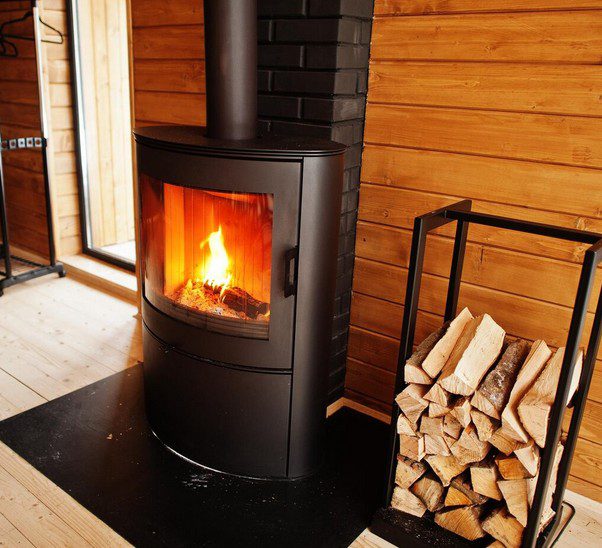
Prioritizing firewood safety isn’t just about warmth—it’s about protecting your home. By avoiding the wrong wood and following best practices, you’ll enjoy a safer, cleaner, and more efficient fireplace experience. For further guidance on wood selection or chimney maintenance, consult a certified fireplace professional today.