Flash Flooding: Advice for Protecting Your Home
4 min read
637 words
Have you ever seen a weather warning for flash flooding and felt a knot of anxiety in your stomach? You’re not alone. Unlike traditional flooding, which can develop over days, flash flooding is sudden, intense, and incredibly dangerous. It can turn a quiet street into a raging river in a matter of minutes, leaving little time to react.
But don’t panic! Being proactive is the single most effective way to keep your family safe and minimize damage to your property. This guide provides the essential tips and advice you need to prepare for, and protect your home from, the devastating power of flash floods.
Before the Flood: Proactive Steps for Home Protection
The best time to protect your home from a flash flood is long before the rain clouds ever gather. Taking these preventative steps can make a world of difference.
1. Understand Your Risk
First, know if you’re in a flood-prone area. You can check your property’s risk level on the Federal Emergency Management Agency (FEMA) Flood Map. Even if you’re not in a high-risk zone, flash floods can happen anywhere it rains.
2. Maintain Your Gutters and Drains
This is one of the simplest yet most effective tips. Clogged gutters and downspouts are a primary cause of water damage. Regularly clear them of leaves and debris to ensure water flows freely away from your home’s foundation. Also, keep storm drains on your street clear of obstructions.
3. Install a Sump Pump or Backflow Valve
If you have a basement, a sump pump is a must-have. It automatically removes accumulated water, preventing a minor leak from becoming a major flood. A backflow valve can also prevent sewage from backing up into your drains during heavy rains.
4. Elevate Your Utilities
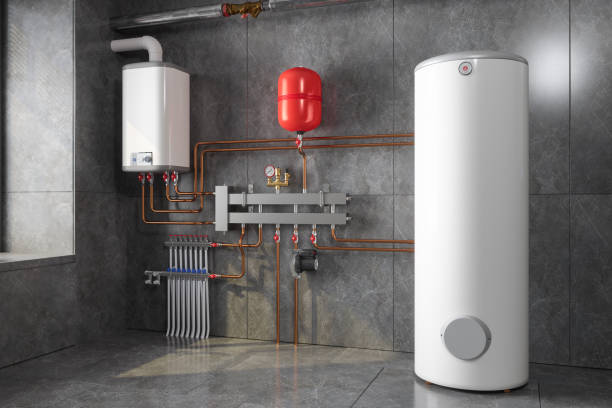
For homeowners in higher-risk areas, consider elevating critical utilities. Move your furnace, water heater, and electrical panels to a higher floor or an elevated platform to protect them from floodwaters.
When a Flash Flood Warning is Issued
When the National Weather Service issues a flash flood warning for your area, time is of the essence. Your priority shifts from property protection to personal safety.
- Move to Higher Ground Immediately: This is the most critical rule. Don’t wait for the water to start rising. Move to the highest level of your home or, if instructed, evacuate to a safer location.
- Turn Off Utilities: If you have time and can do so safely, turn off the main power and gas valves to your home. This prevents electrical hazards and gas leaks.
- Protect Your Valuables: Move important documents, electronics, and cherished belongings to the highest possible floor.
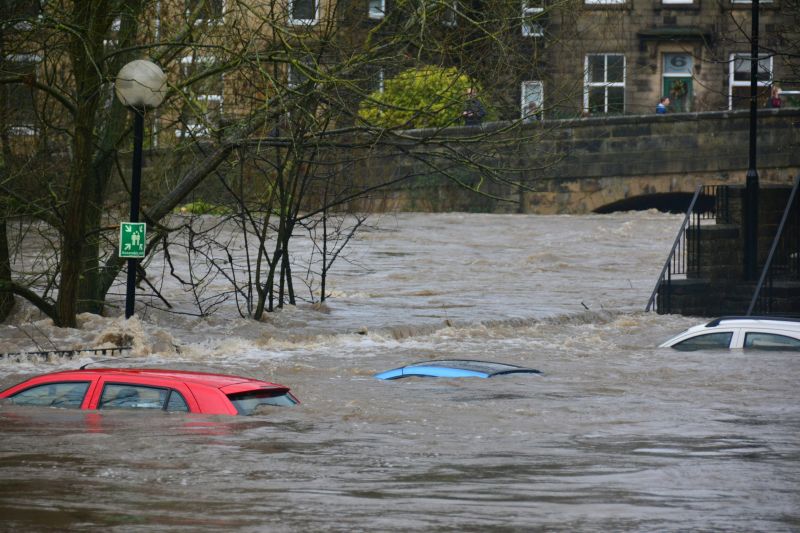
- Never Walk or Drive Through Floodwaters: This cannot be stressed enough. Just six inches of moving water can knock you off your feet, and only one foot of water can cause a car to float away. The water may be deeper than it looks and can hide dangerous debris or downed power lines.
After the Waters Recede
Your safety is still the priority even after the rain stops.
- Wait for the “All Clear”: Do not return home until authorities say it is safe.
- Document the Damage: Before you start cleaning, take photos and videos of all the damage. This will be essential for your insurance claim.
- Begin Cleanup Safely: Wear protective gear like gloves and boots. Be extremely cautious of structural damage and potential electrical hazards. Discard any food or water that has come into contact with floodwaters.
Final Thoughts: Preparation is Peace of Mind
Flash flooding is a powerful force of nature, but it doesn’t have to be a complete surprise. By understanding your risk and taking practical steps to prepare, you can significantly reduce potential damage to your home and, most importantly, ensure the safety of your loved ones.
Don’t wait for the first drop of rain. Start your preparations today.