
Postpartum Abdominal Pain Explained: Causes & Treatments
6 min read
1165 words
Postpartum abdominal pain is one of those unexpected parts of the recovery process that may leave the new mothers in confusion about what is normal and what is not. Your body is yet to heal, your womb is shrinking, your organs are starting to fall into place, and your muscles are also needing to re-adjust after months of carrying a growing baby. Although a certain amount of discomfort is absolutely normal, being able to know the various causes of pain, duration of pain, the duration of pain, and when to seek help may be the real peace of mind. This guide has separated the causes of postpartum abdominal pain, pain relief methods, and warning signs that are worth paying more attention to in order to feel more confident during the recovery period.
Postpartum Abdominal Pain: What It Means
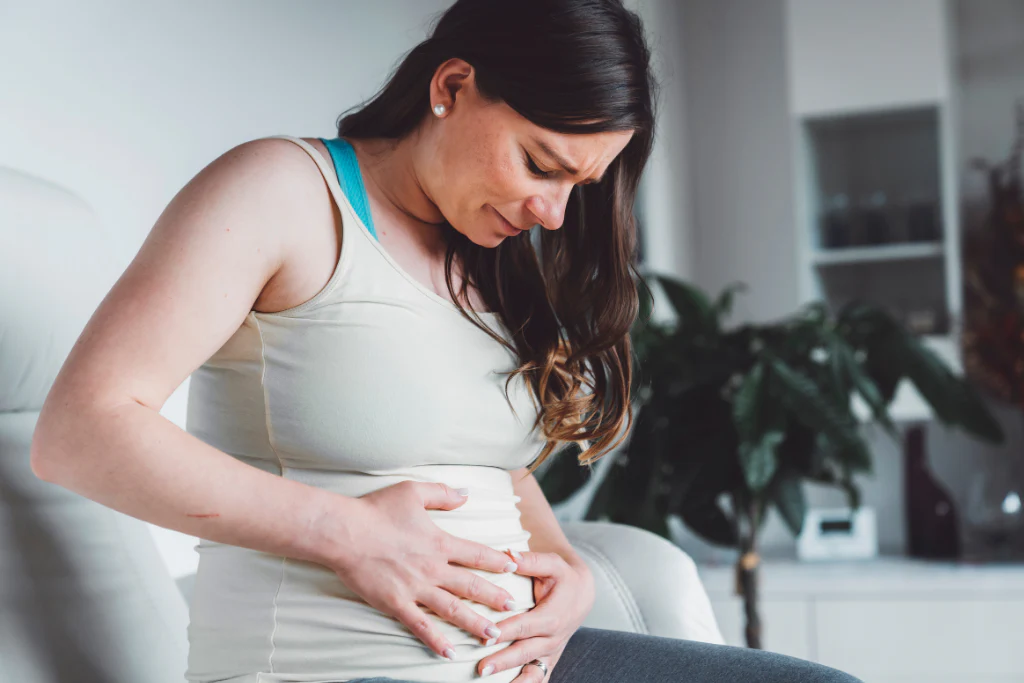
The most common part of a postpartum recovery is abdominal pain, which is painful, especially when one is experiencing pain that is not as common as day-to-day. Once you have delivered your baby, the uterus will shrink, the muscles and ligaments will start to heal, and the digestive system will alter. The effect of this can result in cramping, pressure or pain. This can produce cramping, pressure or pain. Light abdominal support, like the Momcozy postpartum belt, is also popular among mothers as it offers relief and added stability.
This pain may be normal during the first few weeks, but having the knowledge of the cause of the pain and when it may indicate something that is not normal will yield you the confidence that you are normal in the healing process.
Common Causes of Postpartum Abdominal Pain
Multiple changes may occur simultaneously and cause postpartum pain. Some causes are completely expected, while others may indicate a condition that needs care.
1. Uterine Contractions (“Afterpains”)
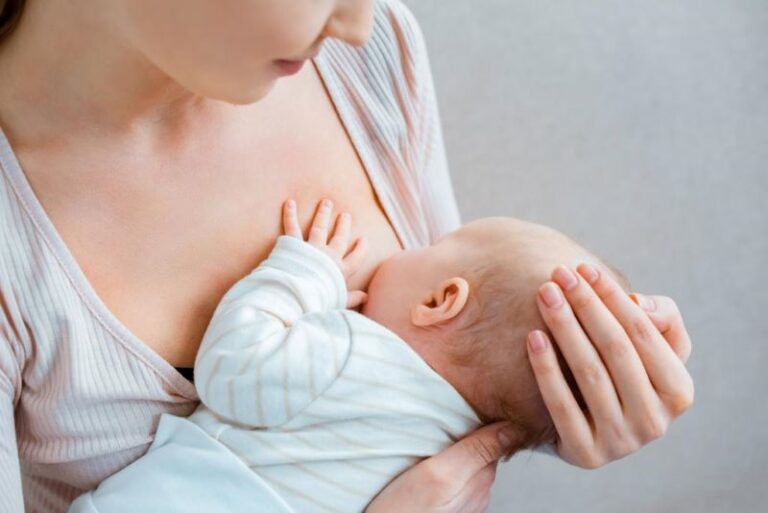
One of the most common causes of postpartum cramping is afterpains. Contractions like menstrual cramps may be experienced as the uterus goes back to size, particularly in the first 3-5 days after birth. Such pains are usually aggravated during breastfeeding as the hormone oxytocin causes the uterus to contract.
2. C-Section Healing
It is normal to have pain and swelling of the incision site during the first couple of weeks after the cesarean birth. You can also have abdominal tightness, pulling, or sensitivity as the tissues heal and the swelling goes down.
3. Gas and Digestive Changes
Hormone changes may contribute to gas pain or bloating after giving birth, slowed down digestion, and stretching of abdominal muscles. Most women complain of sharp, cramp-like pain as digestion normalizes.
4. Constipation
Constipation is quite frequent after delivery, either because of iron supplements, immobility or fear of straining. Hard stools can cause much pressure or pain in the abdomen.
5. Muscle Strain or Core Weakness
The abdominal muscles stretch a lot during the time of pregnancy. Mothers who have diastasis recti (ab separation) also report tenderness or pulling pains.
6. Infections
In other instances, pain in the abdomen can be an indication of infection- endometritis (uterine infection), incision infection (following C-section), or infection of the urinary tract. These forms of pain are normally followed by other signs such as fever or exacerbation of pain.
7. Postpartum Bleeding or Clots
When the uterus expels the remaining tissue, it is normal to get cramping accompanied by bleeding. Temporary abdominal pain may also be occasioned by larger clots or more intense bleeding.
Symptoms and Warning Signs to Watch For
The pain in the abdomen after delivery is harmless, though some of the symptoms suggest that it may be severe. Seek medical attention if you notice:
Severe or Worsening Pain
Pain that is not alleviated over time or that turns more acute and severe is also a symptom of a severe problem, such as a C-section postoperative complication or infection.
Fever or Chills
Pain in the abdomen and a temperature of over 100.4°F (38°C) can be a sign of infection.
Foul-Smelling Lochia (Postpartum Bleeding)
The smell or pain can be intense, and it can be a sign of infection in the uterus.
Heavy Bleeding
The presence of large clots during several days, wetting pads within a few hours or quick bleeding, which suddenly becomes more, rather than less, is an emergency.
Painful Urination
A burning, urgency, or pelvic pressure can indicate a urinary tract infection.
Redness, Swelling, or Pus Around an Incision
In a C-section birth, any changes in the incision site, especially the rising tenderness or fever, must be monitored as soon as possible.
Difficulty Breathing or Chest Pain
This symptom requires immediate medical treatment.
Home Care and Relief Tips for Postpartum Abdominal Pain
Luckily, a wide variety of abdominal pains after childbirth is manageable with home-based assistance. Here are several gentle ways to ease discomfort:
1. Apply Heat
The cramping can be relieved by applying a warm compress or heating pad to tighten muscles. Use for 10–20 minutes at a time.
2. Rest When You Can
When you are not overworking your body, it heals the quickest. Simple breaks or short naps in the day make a difference.
3. Support Your Abdomen
When you get out of bed or even pick up your baby, you can help with the strain by supporting your abdomen with your hands or a postpartum support band.
4. Stay Hydrated
Adequate intake of water helps in digestion, the prevention of constipation and healthy tissue repair.
5. Move Lightly
Light exercises will help in circulation, gas pains, and also help in uterine recovery. Avoid heavy activities until your provider clears it.
6. Use Over-the-Counter Pain Relief (If Approved)
During breastfeeding, ibuprofen or acetaminophen can be safe, though it is always good to consult your provider.
7. Eat Fiber-Rich Foods
The foods that can be used to soften your stools in the event that you are experiencing pain because of constipation are fruits, greens, whole grains and prunes.
When Postpartum Abdominal Pain Needs Medical Help
The presence of mild to moderate pain during the first weeks of delivery is something to be expected, yet there are situations when expert attention is required. Contact your healthcare provider if:
- The pain is intense, persistent, or aggravating rather than improving.
- You develop a fever or chills.
- You observe foul-smelling discharge or progressive bleeding.
- Your C-section wound is painful, reddish or swollen.
- You cannot pass gas or have a bowel movement for a few days.
- Pain makes it hard to sit, stand, or walk.
- Something feels “not right,” even if you can’t pinpoint the exact cause.
Conclusion
Abdominal pain in the postpartum period is a component of the healing process, but it can be confusing or uncomfortable. Most of the pain is normal, e.g., uterine contractions, digestive changes or muscle recovery and being home care is gentle and hence relieved. Nevertheless, being aware of the warning signs is always a good idea to know when something needs medical examination. Being aware of what is normal and making your body go through this process, you will be able to get through postpartum recovery much more comfortably, confidently and with peace of mind.