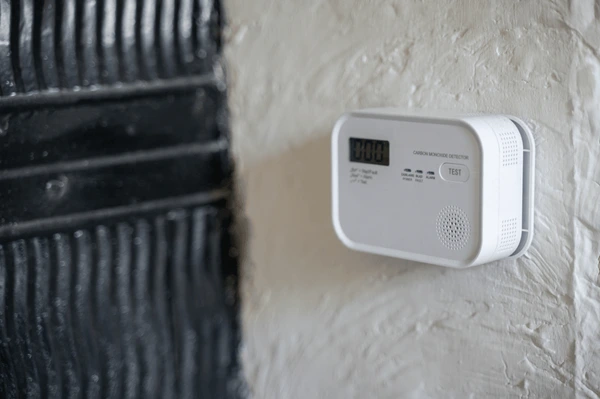
Your Guide to Carbon Monoxide Detector Placement
5 min read
817 words
Home safety is something we all take seriously. We lock our doors, test our smoke alarms, and teach our kids about “stop, drop, and roll.” But what about the dangers you can’t see, smell, or taste? We’re talking about carbon monoxide (CO), often called the “silent killer.” It’s a colorless, odorless gas produced by the incomplete burning of fuels like natural gas, oil, propane, coal, and wood. And starting this year, the rules for detecting it are changing to keep your family safer than ever. As of January 1st, property owners are required to ensure additional carbon monoxide alarms are installed, extending detection to all storeys of residential homes and buildings. This is a critical update that significantly enhances home safety. But it also leads to a crucial question many homeowners are asking: “Where should I actually place my carbon monoxide detectors?” Don’t worry, we’ve got you covered. This guide will break down everything you need to know about the new regulations, proper Carbon Monoxide Detector placement, and overall carbon monoxide safety.
The Golden Rules: Where to Place a Carbon Monoxide Detector
The goal of a CO alarm is to wake you and your family if a leak occurs while you’re sleeping, giving you time to get out safely. With the new multi-storey requirement, strategic placement is key.
Here’s where you absolutely need to install your CO alarms:
1. On Every Storey of Your Home This is the cornerstone of the new regulation. Carbon monoxide can travel through a home in unexpected ways, so a single detector is no longer enough. You must have at least one alarm on each level, including:
- Basements: Basements are a common location for fuel-burning appliances like furnaces, water heaters, and boilers. Place a detector here to catch a leak at its source.
- Main Living Floors: This covers your living room, kitchen, and other common areas.
- Upper Floors with Bedrooms: This is non-negotiable.
2. Outside Each Sleeping Area The most critical time for CO detection is when you’re asleep and most vulnerable. Place a detector in the hallway within 10-15 feet of every bedroom door. If the bedrooms are far apart, you may need more than one. This ensures the alarm is loud enough to wake everyone.
3. Follow the Manufacturer’s Height Guidelines Should it go on the wall or the ceiling? The good news is, you have options. Carbon monoxide has a similar density to air, so it mixes freely.
- Wall-Mounted: If placing it on a wall, install it at least knee-height, but don’t place it higher than your smoke alarm. A good rule of thumb is about 5 feet from the floor (eye level).
- Ceiling-Mounted: This is also a great option, just ensure it’s at least one foot away from any wall.
- Plug-In: These are the easiest to install and should be placed in an outlet that isn’t blocked by furniture or curtains.
Common Mistakes: Where NOT to Place a Carbon Monoxide Detector
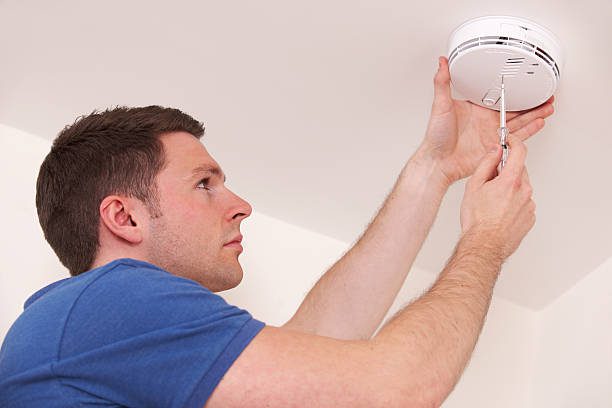
Just as important as knowing where to put your alarms is knowing where to avoid. Placing a detector in the wrong spot can lead to false alarms or, even worse, a failure to detect a real emergency.
Avoid installing Carbon Monoxide Detectors in these locations:
- Directly Above or Beside Fuel-Burning Appliances: Keeping them at least 15-20 feet away prevents false alarms from the tiny, harmless amounts of CO released when an appliance first turns on.
- In Garages: The exhaust from your car will constantly trigger the alarm.
- In Very Humid Areas: Locations like bathrooms or laundry rooms can damage the sensor and reduce the alarm’s lifespan.
- Near Windows or Vents: Drafts of fresh air can dilute the CO concentration near the sensor, preventing it from going off in a real emergency.
- In Direct Sunlight or Near Heat Sources: Avoid placing them near fireplaces, space heaters, or in direct sun, as temperature fluctuations can affect the device.
Beyond Placement: A Proactive Approach to Carbon Monoxide Safety
Installing alarms is a crucial step, but true safety comes from preventing CO from entering your home in the first place. This is where professional maintenance becomes essential.
Get Your Fuel-Burning Appliances Checked Annually
Your heating system, water heater, and other appliances work hard to keep you comfortable. To ensure they’re working safely and efficiently, you must get your coal, oil, and natural gas appliances checked annually by a qualified professional.
A certified technician will:
- Inspect for leaks or cracks in your furnace’s heat exchanger.
- Ensure proper ventilation and that flues are clear of debris.
- Check for the correct burner combustion.
- Identify and fix potential issues before they become dangerous.
Stay Safe, Stay Prepared
The new regulations requiring Carbon Monoxide Detector on every storey are a life-saving measure. By taking a few minutes to ensure your detectors are placed correctly and scheduling your annual appliance inspections, you’re taking the most important step possible: protecting your home and the people in it.