5 Things To Consider When Changing Your Home Decor
4 min read
746 words
Transforming your home decor can bring excitement. A home makeover project, whether for one room or the entire house, involves multiple elements that need careful attention to achieve a harmonious and beautiful result.
If you’re looking to change your home decor, here are five things you might consider.
1. Assessing Your Current Home Decor
A thorough evaluation of your existing decor sets a foundation for any successful transformation. You might want to look around your home and notice the elements that bring you joy and the ones that no longer spark interest. This observation will reveal patterns and themes worth preserving in your new design. A detailed inventory of items and styles that feel outdated will provide clear direction for your upcoming changes. The practicality and comfort levels of your current decor deserve attention too. Your living space should align with your daily routines and lifestyle requirements. You might notice areas that feel too crowded or spaces that remain unused. Your living room might need additional seating options, or your kitchen could benefit from extra storage solutions. Recognizing these aspects early helps incorporate practical improvements into your new decor scheme.
2. Identifying Your Style Preferences

Your personal style forms the heart of a home that truly represents who you are. Interior design magazines and online platforms offer endless inspiration for your project. A collection of appealing images helps identify recurring themes in your preferred colors, textures, and styles. Seasonal changes offer opportunities to refresh your decor throughout the year. Your home can reflect nature’s transitions through simple additions like cozy blankets and rich colors in autumn or fresh flower arrangements in spring. Some people may consider decorated Christmas trees and other decor in winter. Your home’s architectural features also influence style choices in significant ways. Different design approaches complement various types of spaces differently. A clean, minimalist style might enhance a contemporary apartment’s appeal, while vintage or country-inspired elements could perfectly suit a rustic farmhouse setting. A deep understanding of your style preferences guides thoughtful decisions throughout your decorating journey.
3. Setting a Budget for Your Home Decor Project
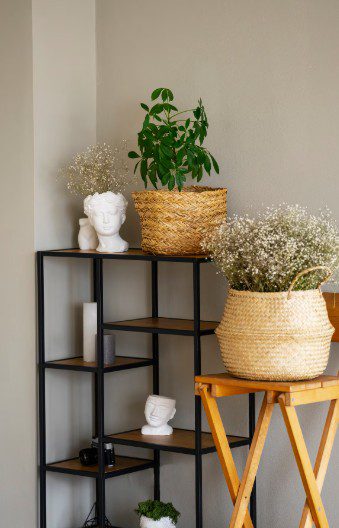
A well-planned budget forms the cornerstone of a successful home decor project. Financial planning allows you to envision your project’s scope and maintain control over expenses. The initial step involves determining a comfortable investment amount for your home decor transformation. Your budget will naturally vary depending on whether you envision a complete renovation or subtle updates to your existing decor. A detailed breakdown of expenses into specific categories brings clarity to your financial planning. Your budget might include allocations for furniture pieces, wall treatments, decorative elements, and any external assistance needed. This organized approach provides a clear picture of your spending priorities and helps track your financial commitments. A portion of your budget should remain flexible to address any unforeseen costs that might surface during the project.
4. Choosing the Right Color Schemes
Colors shape the atmosphere and visual impact of your living spaces, making them fundamental to your decor decisions. Your color selections can reflect your personal preferences while harmonizing with your home’s existing features. The chosen palette should enhance your home’s architectural elements and overall design theme. Different colors create distinct emotional responses within spaces. Cool tones like ocean blues and forest greens tend to foster tranquility, while warmer shades like sunset oranges and deep reds can create energetic environments. Classic neutrals, including crisp whites, subtle grays, and warm beiges, provide versatile foundations for bolder decorative elements. Color combinations come to life through sample testing and digital design tools, revealing how different shades interact within your space.
5. Selecting Furniture and Accessories
The selection of furniture and accessories plays a vital role in enhancing both the practicality and visual appeal of your living spaces. The initial focus falls on identifying essential furniture pieces for each room, with careful attention to their size and placement within the available space. Furniture with multiple functions becomes particularly valuable in compact areas or when additional storage needs arise. Accessories bring life and individuality to your decor scheme. Elements such as wall art, soft cushions, distinctive lighting fixtures, and natural greenery that interest you could contribute layers of interest to your spaces. These decorative touches provide wonderful opportunities to incorporate varied textures, vibrant hues, and unique characteristics without creating visual overwhelm.
Conclusion
The journey of transforming your home decor can bring satisfaction through careful consideration and planning. Your space could evolve into a true reflection of your personality when you update decor.