
Unmasking Silverfish: Your Guide to Identifying & Eliminating
7 min read
1306 words
Ever turned on a light in a dark room and seen a small, silvery creature scuttling away with a distinctive wiggle? You’ve likely had an encounter with a silverfish. While generally harmless to humans, these ancient insects can be quite a nuisance, munching on your cherished books, important documents, and even clothing.
Don’t panic! Understanding what silverfish are, how to spot their presence, and effective ways to get rid of them can help you reclaim your home. This guide will walk you through everything you need to know about these elusive house guests.
What Actually Are Silverfish? Your Guide to This Common Pest
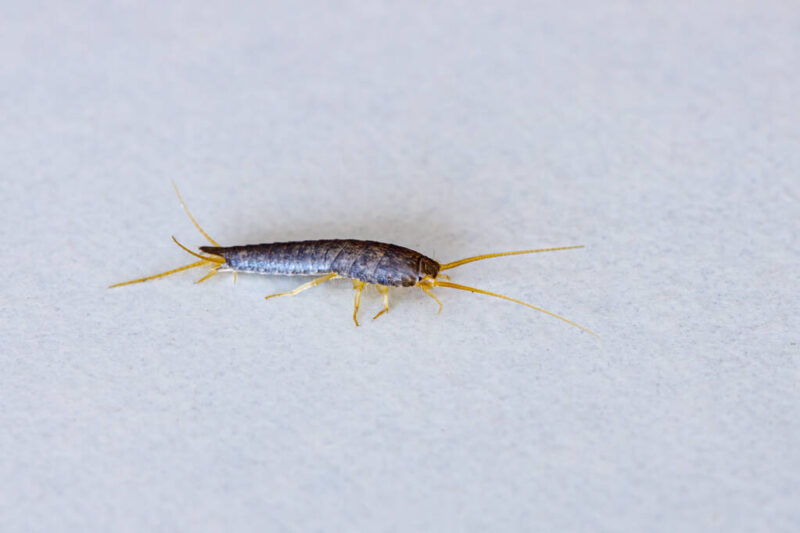
Silverfish (scientific name: Lepisma saccharina) are small, wingless insects known for their distinctive appearance and movement. They are among the oldest and most primitive insects on Earth, having been around for over 400 million years!
Here’s how to identify them:
- Appearance: They have a tear-drop or carrot-shaped body that is typically silver-grey or metallic in color, giving them their common name. Their bodies are covered in scales, similar to a fish, which shimmer in the light.
- Size: Adult silverfish are generally small, measuring about ½ to ¾ of an inch long.
- Movement: Their movement is perhaps their most unique characteristic. They move in a quick, wiggling, fish-like motion, especially when disturbed – hence, “silverfish.”
- Appendages: They possess two long antennae at their head and three bristle-like appendages at their rear.
- Habitat: Silverfish thrive in dark, damp, and undisturbed environments. You’ll often find them in bathrooms, basements, attics, laundry rooms, kitchens, and even in closets and storage boxes. They love high humidity!
- Diet: These pests are voracious eaters of starches and sugars. Their diet includes a wide range of household items containing polysaccharides, such as:
- Books, paper, cardboard, and wallpaper glue
- Photos and important documents
- Fabric (cotton, linen, silk, rayon, leather)
- Cereals, flour, pet food, and other dry goods
- Dust, dandruff, and even dead insects
Why are they in your home? Simply put, your home provides the perfect trifecta: food, moisture, and shelter. They slip in through cracks, gaps, or even on infested items brought into the house, then seek out those damp, cozy spots where their favorite starchy meals are abundant.
What Are the Signs of Silverfish in Your Home?
Because silverfish are primarily nocturnal and masters of hiding, you might not see them often. However, they leave behind tell-tale signs of their presence. Knowing what to look for can help you catch an infestation early.
- Direct Sightings: The most obvious sign is actually seeing a silverfish. If you switch on a light in a dark, damp area and catch a glimpse of a silvery, wiggling insect darting for cover, you likely have silverfish. These sightings are more common at night or when you disturb their hiding spots.
- Damage to Property: This is often the first indicator for many homeowners. Silverfish feed by scraping away surfaces, leaving behind:
- Irregular holes, notches, or etchings on paper products (books, magazines, newspapers, cardboard boxes, wallpaper). The damage often looks like a chewed or scraped surface rather than a clean hole.
- Yellowish stains or discolored patches on paper or fabric.
- Tiny holes or thin spots on fabrics, especially cotton, linen, silk, or synthetic clothes stored in dark closets.
- Damage to food packaging or dry food items.
- Droppings: Silverfish leave behind tiny, black, peppercorn-like droppings. These are often found in the same areas where you see damage – in bookshelves, drawers, cupboards, or around infested items. They can sometimes be mistaken for mouse droppings but are much smaller and less numerous.
- Shed Skins (Exuviae): Silverfish continue to shed their exoskeletons throughout their long lifespan. You might find delicate, translucent, scale-like remnants of their old skins near their feeding areas or hiding spots. These look like miniature, empty versions of the silverfish themselves.
- Yellowish Powder or Scales: As silverfish move and feed, they can leave behind a fine, silvery-grey or yellowish dust. This is essentially tiny scales shed from their bodies and can be found in small amounts in infested areas.
If you observe any of these signs, it’s a good indication that you’re sharing your home with silverfish.
How to Get Rid of Silverfish (And Keep Them Away!)
Getting rid of silverfish requires a multi-pronged approach focusing on their environmental needs and food sources. Here’s how to tackle them:
1. Reduce Moisture and Humidity
This is the most crucial step, as silverfish cannot survive in dry environments.
- Use Dehumidifiers: Place them in damp areas like basements, attics, and crawl spaces. Aim for a humidity level below 50%.
- Fix Leaks: Promptly repair any leaky pipes, faucets, or roof leaks.
- Improve Ventilation: Ensure good airflow in bathrooms and kitchens. Use exhaust fans during and after showering/cooking. Don’t leave wet towels or clothes piled up.
- Seal Out Moisture: Check your foundation and exterior for cracks that might let moisture in.
2. Eliminate Food Sources & Clutter
Starve them out by removing what they love to eat.
- Store Dry Goods Properly: Keep flour, sugar, pasta, cereal, pet food, and other dry staples in airtight containers (glass, plastic, or metal).
- Declutter: Go through old books, magazines, newspapers, and cardboard boxes. Silverfish love to hide and feed on these. Recycle or dispose of items you no longer need.
- Vacuum Regularly: Clean up crumbs, dust, and debris, especially in corners, under furniture, and in less-trafficked areas.
- Protect Valuables: Store important documents, photos, and natural fiber clothing in sealed plastic containers, not cardboard boxes, especially in basements or attics.
3. Seal Entry Points
Prevent new silverfish from entering and existing ones from moving freely.
- Caulk Cracks and Crevices: Seal gaps in baseboards, around pipes, and in walls.
- Repair Gaps: Ensure windows and doors seal properly. Replace damaged weather stripping.
4. DIY Traps & Repellents
For minor infestations, these methods can be effective:
- Glass Jar Trap: Place a piece of bread or a teaspoon of oatmeal at the bottom of a glass jar. Wrap the outside of the jar with tape or rough cloth so silverfish can climb up. They’ll fall in but won’t be able to climb out. Dispose of them in the morning.
- Damp Newspaper Trap: Dampen a roll of newspaper and leave it overnight in an infested area. Silverfish will be attracted to the moisture and cellulose for food and shelter. In the morning, quickly seal the newspaper in a plastic bag and discard it outside.
- Diatomaceous Earth (DE): Food-grade DE is a natural, non-toxic powder that works by dehydrating insects. Sprinkle a thin layer in cracks, crevices, under sinks, and in other hidden areas where silverfish frequent. Use a dust mask when applying. Always read product labels and use caution around pets and children.
- Boric Acid: Similar to DE, boric acid is a desiccant and stomach poison for insects. It’s more potent but also more toxic, so use it with extreme caution and keep it away from children and pets.
- Cedar or Lavender: While more of a repellent than a killer, sachets of cedar shavings or lavender oil can help deter silverfish from certain areas, especially closets and drawers.
5. When to Call a Professional Pest Control Expert
If you’ve tried the above methods and still find yourself battling a persistent or widespread silverfish infestation, it might be time to call in the experts.
- Severe Infestation: If you’re seeing silverfish frequently or in multiple areas of your home, professional help ensures a thorough and targeted treatment.
- Persistent Problem: If DIY methods aren’t yielding results after a few weeks, a pest control specialist can identify the root cause and apply stronger, more effective solutions.
- Peace of Mind: Professionals bring expertise in identifying hidden harborages, applying appropriate treatments safely, and providing long-term prevention strategies tailored to your home.
Don’t let silverfish take over your home and belongings. By understanding what they are, recognizing the signs, and taking proactive steps, you can effectively manage and eliminate these common household pests.