Your Essential Guide to Safer Winter Night Driving
4 min read
713 words
Winter driving comes with its own set of challenges, but when you throw in the long, dark nights, the stakes get even higher. Reduced visibility, icy patches that seem to appear from nowhere, and unpredictable weather can make your evening commute or late-night errands feel daunting. But don’t worry! With a little preparation and some smart driving habits, you can conquer the dark and ensure a safer winter night driving experience.
This guide will equip you with practical winter night driving tips to help you navigate those tricky conditions with confidence.
Why Winter Nights Are So Tricky for Drivers
Before diving into the tips, let’s quickly understand why driving in winter dark is particularly hazardous. You’re dealing with a trifecta of difficulties:
- Limited Visibility: Shorter daylight hours mean more driving in darkness, often compounded by snow, fog, or freezing rain.
- Slippery Surfaces: Ice and compacted snow are harder to spot at night, especially “black ice,” which is nearly invisible.
- Fatigue: The coziness of winter evenings can make you more prone to drowsiness behind the wheel.
Essential Tips for Safer Winter Night Driving
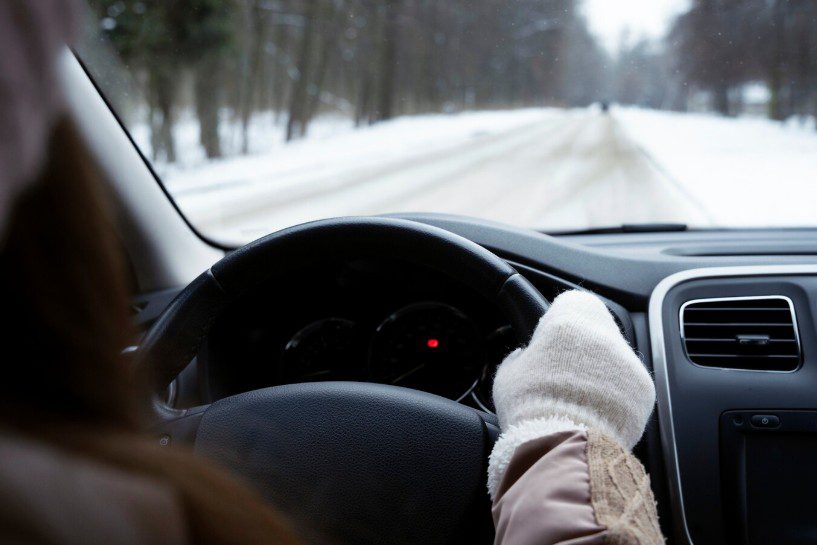
Making your winter driving safety a priority means taking proactive steps. Here’s how:
1. Prepare Your Vehicle for the Dark & Cold
Your car is your first line of defense. Ensure it’s ready for the rigors of winter night driving conditions.
- Check Your Lights: This is paramount. Ensure all headlights, taillights, turn signals, and fog lights are clean and working correctly. Consider upgrading to brighter bulbs if needed, and make sure your headlights are properly aimed to maximize visibility without blinding oncoming drivers.
- Winter Tires Are Key: While all-season tires might suffice in mild conditions, dedicated winter tires offer superior grip on snow and ice, especially crucial when braking or turning in the dark.
- Wipers and Washer Fluid: Invest in winter-specific wiper blades and keep your washer fluid reservoir topped up with an anti-freeze solution. Clear vision is non-negotiable.
- Defrost and Clear: Before you even leave, ensure all windows, mirrors, and lights are completely clear of snow and ice. A small clear patch is not enough for road visibility in winter.
2. Sharpen Your Driving Skills & Awareness
Even with a perfectly prepped car, your driving technique needs to adapt for safer driving in winter nights.
- Slow Down: This is the golden rule. Adjust your speed to the conditions, not the speed limit. Give yourself more time to react to unexpected hazards.
- Increase Following Distance: In winter, you need significantly more space to stop. Double or even triple your usual following distance to allow for slippery surfaces.
- Look Far Ahead: Scan the road far in front of you. This gives you more time to spot potential hazards like patches of black ice or wildlife.
- Avoid Sudden Movements: Gentle acceleration, braking, and steering are vital. Sudden maneuvers can easily lead to a loss of control on icy or snowy surfaces.
3. Master Visibility – Both Seeing and Being Seen
In the dark, being visible is just as important as seeing the road.
- Use Your Headlights Wisely: Always use your low beams in dark, snowy, or foggy conditions. High beams can reflect off snow and fog, actually reducing your visibility. Only use high beams when there’s no oncoming traffic and you need extra illumination.
- Keep Windows Spotless: Clean the inside of your windshield regularly to prevent glare from oncoming headlights. Use your defroster and defogger effectively to maintain clear views.
- Be Seen: Always have your lights on, even if it’s just dusk. Consider wearing bright clothing if you need to exit your vehicle during a breakdown.
4. Stay Alert and Focused
Your personal condition plays a huge role in night driving hazards.
- Get Enough Rest: Fatigue significantly impairs your reaction time and judgment, making the already challenging conditions of safer driving at night in winter even more dangerous.
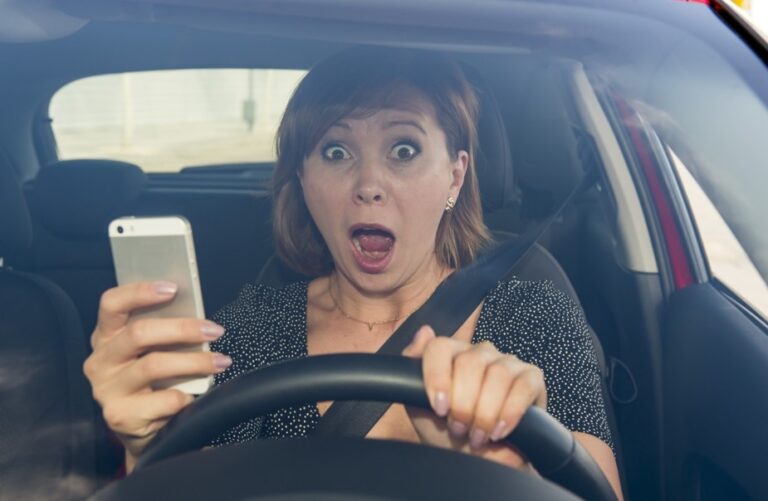
- Eliminate Distractions: Put your phone away. Focus 100% on the road and conditions.
Drive Safely This Winter!
Safer driving at night during the winter boils down to a blend of careful preparation and attentive driving. By ensuring your vehicle is ready, adapting your driving style, and staying focused, you can significantly reduce risks and make your journeys much safer. Stay warm, stay safe, and happy travels!
What are your top tips for winter night driving? Share them in the comments below!