The Pros and Cons of Outlet Stores: Are You Really Saving
6 min read
1002 words
The promise is irresistible: high-end designer brands, deep clearance sales, and massive savings—often advertised at 30% to 70% off the original price. Outlet stores have become a staple of modern retail, attracting millions of consumers who crave the thrill of the bargain hunt. They offer an accessible entryway into brands that might otherwise be out of reach. But as seasoned outlet shoppers know, the landscape of discount shopping is complex. Is that drastically reduced price tag truly a reflection of your savings, or are you purchasing a product fundamentally different from its full-price counterpart? This comprehensive guide breaks down the appealing benefits and the hidden pitfalls of outlet shopping, helping you determine if those “factory direct” deals are actually worth your time and money.
The Alluring Pros of Outlet Shopping
When organized correctly, outlet stores can indeed deliver substantial benefits, particularly for shoppers focused on specific types of inventory.
Deep Discounts and Clearance Inventory
The primary benefit of visiting factory outlets is the price. Outlets are often the final destination for end-of-season products, overstock items, or merchandise with minor cosmetic flaws (often called “seconds”). If you are looking for timeless basics or don’t mind owning last season’s styles, you can find high-quality goods at genuinely reduced prices.
Accessibility to Premium Brands
For consumers who seek the prestige or craftsmanship of luxury labels but operate on a budget, outlets democratize access. Instead of paying a premium at a flagship boutique, shoppers can often acquire the brand’s aesthetic—even if the quality is slightly modified—for hundreds of dollars less. This makes high-end fashion and accessories available to a much wider audience.
The Thrill of the Hunt
For many, the experience itself is a pro. Unlike the curated environment of a standard retail store, outlet shopping often requires digging, browsing rows of diverse items, and finding that perfect, unexpected treasure. This element of surprise and scarcity enhances the perceived value of the purchase.
The Hidden Cons and Caveats: Addressing the Quality Difference
The biggest question facing outlet stores is simple: why are the prices so consistently low? The answer often lies in the controversial practice of manufacturing goods specifically for the outlet channel.
The “Made for Outlet” (MFO) Phenomenon
The most significant caveat in modern outlet shopping is the rise of “Made for Outlet” (MFO) merchandise. Many popular brands—especially in apparel, luggage, and accessories—do not primarily stock their outlets with unsold retail inventory. Instead, they produce lines specifically designed, sourced, and manufactured to be sold exclusively at the outlet location.
Why is MFO a concern?
- Material Downgrade: An MFO product often uses cheaper materials (e.g., synthetic linings instead of leather, lower thread-count fabrics, simpler hardware) compared to the equivalent design sold in the full-price retail store.
- Simplified Construction: MFO items may lack the intricate finishing, detailed stitching, or durability features found in the premium line, allowing the brand to meet a lower manufacturing cost.
This means you are often not getting a discount on a premium item; you are paying the full price for a lower-quality item designed to look like the retail version. The quality difference is the key factor.
Inflated “Original” Prices
To make the savings appear more dramatic, some outlets employ a strategy of listing an artificially high “MSRP” (Manufacturer Suggested Retail Price) on MFO goods. If an item is listed at $250 and sold to you for $100, the perceived savings are $150. However, if the item was manufactured for $50 and was never intended to sell for more than $100, your actual savings are zero. Always question the stated original price.
Limited Selection and Location Costs
Outlets are often located far outside metropolitan areas to keep operational costs low. This adds the hidden cost of time and travel expenses (gas, tolls) to your purchase. Additionally, unlike retail stores that carry a full size run and the latest colors, outlet stock can be inconsistent, making it difficult to find specific items or sizes.
How to Shop Smartly at Outlet Stores: Are You Really Saving?
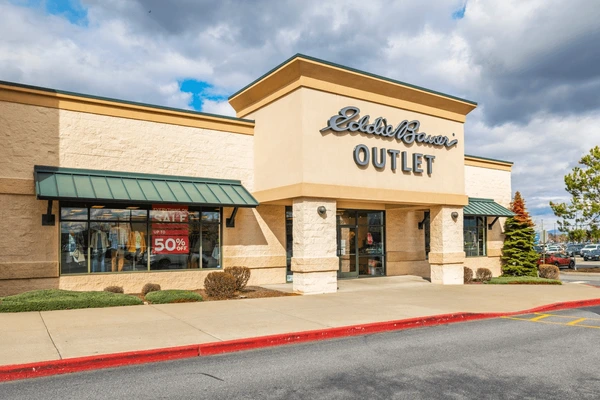
When armed with the right knowledge, you can maximize your chances of securing a genuine bargain. The key is to verify the savings before you commit.
1. Inspect the Details Closely
Always treat an outlet purchase with skepticism. Look for signs of MFO goods:
- Hardware and Zippers: Are they flimsy, plastic, or unbranded? Full-price items usually feature high-quality, heavy-duty hardware.
- Labels: Some brands use different internal labels or indicators (like extra perforated diamonds or a slight variation in the logo tag) to distinguish MFO items from retail surplus.
- Stitching: Look for uneven or sparse stitching, which signals lower manufacturing labor costs.
2. Compare Prices and SKU Numbers
Before driving to the outlet, check the brand’s main website. If you see an item at the outlet that looks exactly like a retail item, check the internal SKU (stock keeping unit) on the tag. A retail item typically has a unique, long SKU, while MFO items sometimes carry a different sequence, which dedicated outlet shopping blogs can help decipher.
3. Focus on True Retail Clearance
The best deals at outlets are genuinely reduced retail overflow. These are easy to spot: they are often disorganized, located in the back clearance section, and are highly seasonal (e.g., winter coats sold in July). If you find a true retail item at 60% off, you are really saving.
Conclusion: The Final Verdict on Outlet Stores
Are outlet stores worth it? The answer is yes, but only if you are a strategic and informed shopper.
The average shopper who views the 70% off sign purely at face value is likely walking away with MFO merchandise of middling quality. However, the savvy consumer who knows how to distinguish between genuine retail clearance and MFO lines can find spectacular, verifiable bargains.
Ultimately, don’t let the advertised discount distract you. Ask yourself: Would I pay this price for this level of quality, regardless of the brand’s name?
If the answer is yes, then you have found your saving. If not, the trip may have cost you more than it benefited you.