How Buying a Used Car Supports Sustainable Living
3 min read
551 words
In the pursuit of a more sustainable lifestyle, we often focus on big changes like renewable energy or meticulous recycling habits. While these are crucial, a powerful and often overlooked strategy lies in the simple act of extending the life of quality products. When it comes to transportation, choosing a pre-owned vehicle isn’t just a budget-friendly decision; it’s a significant win for the planet. Many drivers may not realize the profound environmental benefits that come with opting for a quality used car over a brand-new model. Let’s explore why this choice is a smart move for both your wallet and the environment.
Why extending a car’s life is better for the planet
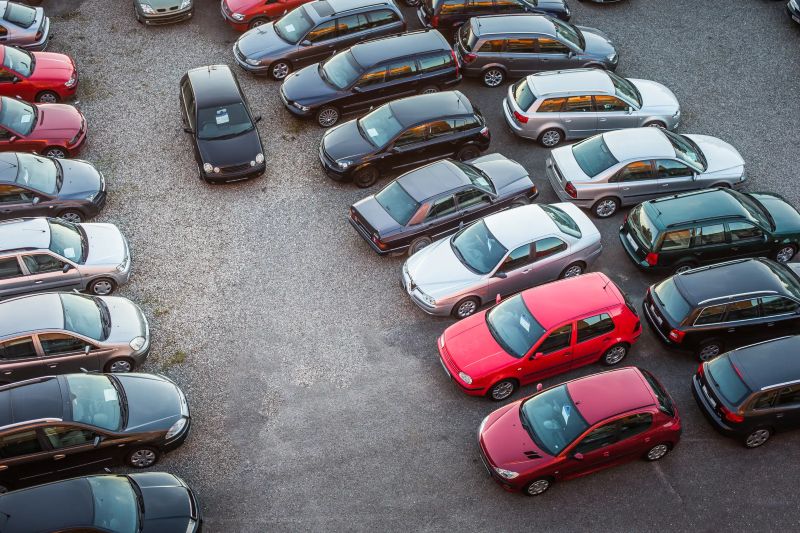
Vehicle manufacturing carries a substantial environmental cost. According to the UK Parliament’s House of Commons Library, a medium-sized electric vehicle has higher manufacturing emissions than an internal combustion engine equivalent, with the production phase accounting for a significant portion of a vehicle’s total lifecycle emissions. When you purchase quality used cars that still have years of reliable service ahead, you’re effectively preventing the carbon emissions associated with manufacturing a replacement vehicle. This extends the useful life of existing resources, keeping vehicles out of scrapyards whilst avoiding the energy-intensive processes of metal extraction, component manufacturing and assembly that new car production demands.
Budget-friendly doesn’t mean outdated
Modern used vehicles offer remarkable value without compromising on essentials. Cars from recent model years come equipped with advanced safety features, including multiple airbags, stability control and collision warning systems. Many also include connectivity features, efficient engines and comfortable interiors that rival brand-new models. The depreciation curve works in favor of used car buyers, since vehicles lose the steepest percentage of their value in the first three years, meaning you can access premium features at a fraction of their original cost whilst still benefiting from manufacturer warranties or approved used schemes.
What to look for in a sustainable second-hand purchase
Focus on fuel efficiency when choosing a used vehicle. Check the official MPG figures and consider models with smaller, more economical engines or hybrid powertrains. Request a complete service history to verify proper maintenance, as well-maintained vehicles run more efficiently and last considerably longer. Look for cars with low emissions ratings and features such as start-stop technology or regenerative braking, which reduce environmental impact during everyday driving.
How to make your used car even greener
Driving style impacts fuel consumption and emissions. Accelerate smoothly, maintain steady speeds and anticipate traffic flow to maximize efficiency. According to the Society of Motor Manufacturers and Traders’ 2024 report, the automotive industry has achieved remarkable progress in reducing manufacturing emissions, but drivers can further reduce their environmental footprint through proper vehicle care. Regular servicing guarantees that your engine runs at peak efficiency, whilst maintaining correct tire pressure reduces rolling resistance and improves fuel economy by up to 3%. Using the recommended grade of engine oil and replacing air filters as scheduled also optimizes performance and minimizes emissions.
The Smart, Sustainable Choice
Choosing a used car is a practical and impactful commitment to sustainable living. It’s a decision that not only benefits your finances by reducing upfront costs and depreciation but also significantly contributes to a healthier planet by extending the life of existing resources and avoiding the environmental toll of new vehicle manufacturing. Drive smart, drive sustainably – choose used.