Winter Preparedness Checklist for Your Home
4 min read
657 words
Environment Canada has issued a winter snow warning for parts of Ontario, signaling the official start of the season’s harshest conditions. While a fresh blanket of snow can be beautiful, it also brings potential risks to your home and family. Proactive preparation is the key to staying safe, warm, and avoiding costly emergency repairs. This comprehensive winter preparedness checklist will guide you through the essential steps to winterize your Ontario home, ensuring you’re ready for whatever this weekend—and the rest of the season—throws your way.
The Exterior Defense: Protecting Your Home’s Outer Shell
Your home’s exterior is the first line of defense against winter’s wrath. A few hours of work now can prevent significant damage.
- Gutter Cleanout: Ensure gutters and downspouts are clear of leaves and debris. This allows melting snow and ice to drain properly, preventing dangerous ice dams and water damage to your roof and siding.
- ** Roof Inspection:** Visually inspect your roof for loose, damaged, or missing shingles. Secure them now to prevent leaks when heavy snow accumulates.
- Window and Door Sealing: Check the caulking and weatherstripping around all windows and doors. Seal any drafts to keep heat in and cold out, which also lowers your energy bills.
- Outdoor Faucet Winterization: Crucial: Disconnect garden hoses and drain them. Shut off the interior valve to outdoor faucets and open the outdoor tap to drain any remaining water, preventing frozen and burst pipes.
- Yard Tidy-Up: Store or secure patio furniture, umbrellas, and barbecues. Trim tree branches that are dead or hang too close to your home or power lines to prevent them from breaking under the weight of ice and snow.
Interior Readiness: Ensuring Warmth and Safety Indoors
A cozy interior depends on well-maintained systems. Don’t wait for a crisis to discover an issue.
- Furnace/Fireplace Tune-Up: Replace your furnace filter (a key task for efficiency and air quality). If you haven’t already, schedule a professional inspection for your furnace and chimney to ensure safe operation and prevent carbon monoxide risks.
- Pipe Insulation: Insulate water pipes in unheated areas like basements, crawlspaces, and garages. Letting a faucet drip slightly during extreme cold can also prevent freezing.
- Smart Thermostat: Consider installing a programmable or smart thermostat to maintain a consistent temperature and save on heating costs, especially when you’re asleep or away.
- Safety Check: Test smoke alarms and carbon monoxide (CO) detectors. Replace batteries and ensure you have a fully stocked emergency kit, including water, non-perishable food, a flashlight, and a first-aid kit.
The Emergency Kit: Your Winter Safety Net
In a severe storm, you may need to be self-sufficient for 72 hours. Prepare an easy-to-access kit that includes:
- Water & Food: At least three days’ worth of water (one gallon per person per day) and non-perishable food items.
- Power & Light: Flashlights, extra batteries, and candles. Avoid using generators indoors.
- Warmth: Extra blankets, warm clothing, and sleeping bags.
- Communication: A battery-powered or hand-crank radio to receive news and weather updates if the power goes out.
- First-Aid & Sanitation: A well-stocked first-aid kit and basic personal hygiene supplies.
Proactive Measures for During and After the Storm
- Stay Informed: Monitor local weather reports from trusted sources like Environment Canada.
- Plan for Power Outages: Keep mobile devices charged. Have a backup power bank ready.
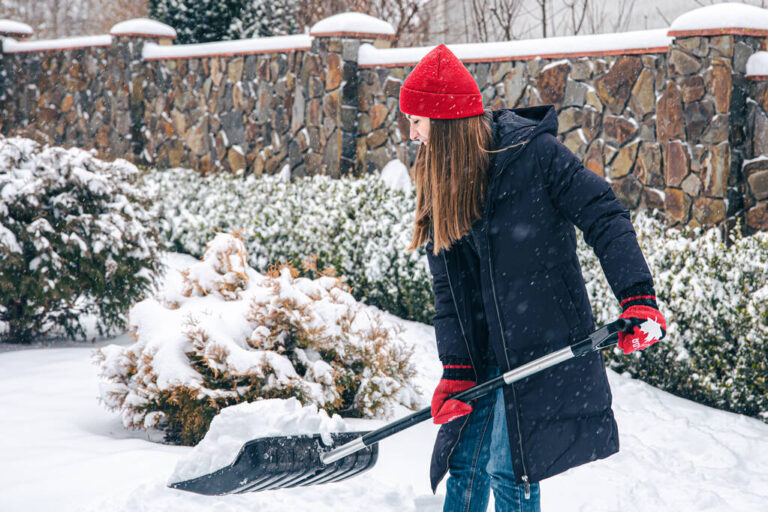
- Safe Shoveling: If you need to shovel, pace yourself and lift with your legs to avoid injury. Consider investing in a good-quality ergonomic shovel or snow blower.
- Ventilation: Ensure your dryer, furnace, and fireplace vents are clear of snow buildup to prevent dangerous CO backup into your home.
Conclusion: Don’t Wait for the First Flake
Winter in Ontario is inevitable, but winter damage to your home is not. Taking a weekend to methodically work through this winter preparedness checklist will give you priceless peace of mind. You’ll not only protect your largest investment but also ensure your family’s comfort and safety through the cold months ahead.
Stay warm, stay safe, and stay prepared.