How the Travel Industry Is Prioritizing Passenger Safety
4 min read
707 words
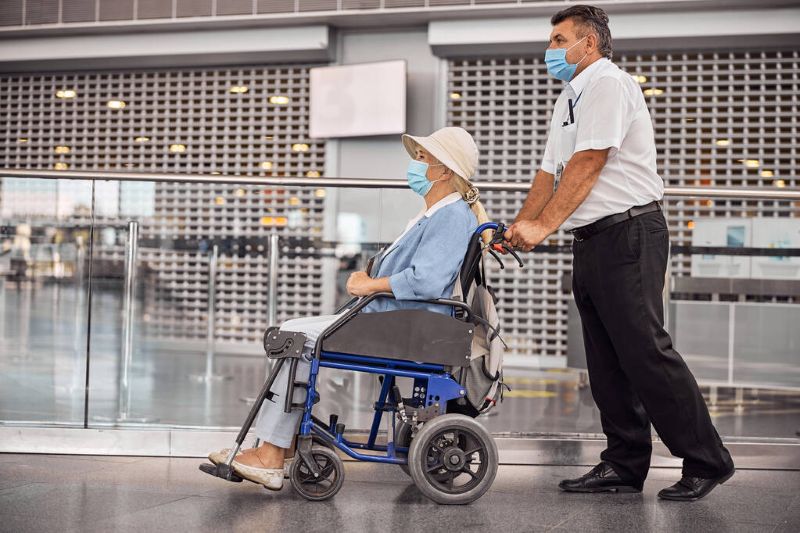
The travel industry has undergone a significant transformation in recent years, driven by evolving passenger expectations and heightened safety standards. From airlines to railways and cruise lines, companies are rethinking how they deliver services to ensure both comfort and security. This shift is not just about responding to global health concerns; it reflects a broader commitment to proactive care, technological innovation, and operational transparency. As travelers become more informed and selective, the industry is adapting to meet their needs with precision and empathy.
Enhanced Health and Safety Protocols
One of the most visible changes in the travel sector has been the implementation of rigorous health and safety protocols. Airlines, for example, have adopted advanced air filtration systems, contactless boarding procedures, and enhanced cleaning regimens. These measures are designed to reduce the risk of transmission and reassure passengers that their well-being is a top priority.
Hotels and cruise lines have also stepped up their sanitation efforts, often partnering with health experts to develop comprehensive safety plans. Temperature checks, digital health declarations, and real-time monitoring of public spaces are becoming standard practice. These protocols not only protect guests but also help staff maintain a safe working environment, contributing to overall service quality.
Technology-Driven Passenger Support
Technology is playing a central role in improving the passenger experience. Mobile apps now allow travelers to manage bookings, receive real-time updates, and access customer support without waiting in line. Artificial intelligence and machine learning are being used to personalize travel recommendations, predict delays, and optimize itineraries.
In aviation, the use of diagnostic tools such as aircraft data test sets has become increasingly important. These systems help engineers assess the performance of onboard equipment, ensuring that aircraft meet stringent safety standards before takeoff. By identifying potential issues early, airlines can prevent disruptions and maintain a high level of operational reliability. This kind of behind-the-scenes technology is a critical part of the safety infrastructure that passengers may not see but benefit from every time they fly.
Accessibility and Inclusivity
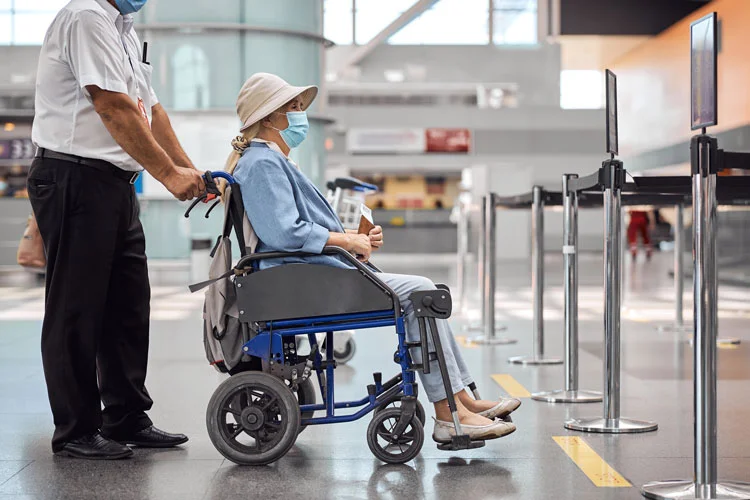
Passenger needs extend beyond safety; they also include accessibility, comfort, and inclusivity. Travel providers are making strides to accommodate individuals with disabilities, families with young children, and older adults. Airports are introducing sensory-friendly spaces, wheelchair-accessible shuttles, and multilingual signage to create a more welcoming environment for all travelers.
Cruise lines and rail services are redesigning cabins and seating areas to improve mobility and comfort. Digital platforms are being updated to support screen readers and voice commands, making it easier for users with visual or motor impairments to navigate services. These efforts reflect a growing awareness that travel should be inclusive and adaptable to diverse needs.
Real-Time Communication and Transparency
Clear communication is essential during travel, especially when plans change unexpectedly. The industry is investing in real-time communication tools to keep passengers informed about delays, cancellations, and alternative options. Airlines now send push notifications and SMS alerts to update travelers on gate changes or weather-related disruptions.
Transparency is also improving in areas like pricing and refund policies. Many companies have revised their terms to offer more flexible booking options, allowing passengers to adjust plans without incurring heavy penalties. This shift toward openness builds trust and encourages repeat business, especially among travelers who value flexibility and control.
Sustainability and Ethical Practices
Safety and passenger needs are increasingly linked to sustainability and ethical business practices. Travelers are more conscious of their environmental impact and expect companies to take meaningful steps toward reducing emissions and waste. Airlines are investing in fuel-efficient aircraft and exploring sustainable aviation fuels, while hotels are adopting energy-saving technologies and reducing single-use plastics.
Ethical labor practices and community engagement are also gaining attention. Travel companies are working to ensure fair treatment of employees and responsible tourism that benefits local economies. These initiatives contribute to a safer and more respectful travel experience, aligning business goals with broader social values.
Conclusion
The travel industry is evolving to meet the complex and changing needs of passengers, with safety and service quality at the forefront. Through enhanced health protocols, advanced technology, inclusive design, and transparent communication, companies are building a more resilient and responsive travel ecosystem. As travelers continue to prioritize well-being and personalized experiences, the industry’s commitment to innovation and care will remain essential to its success.