What’s a Dryer Vent Booster Fan and Does It Really Work?
6 min read
1078 words
Is your laundry taking forever to dry? Do you find yourself running multiple cycles, only to pull out still-damp clothes? If your dryer is struggling, especially if it’s located far from an exterior wall, you might be wondering about a solution that many homeowners are turning to: the dryer vent booster fan. This comprehensive guide will explain exactly what a dryer vent booster fan is, how it functions, and whether it’s the right solution for your laundry woes. We’ll also delve into how much these fans can extend your vent run and when you should consider installing one.
What is a Dryer Vent Booster Fan?
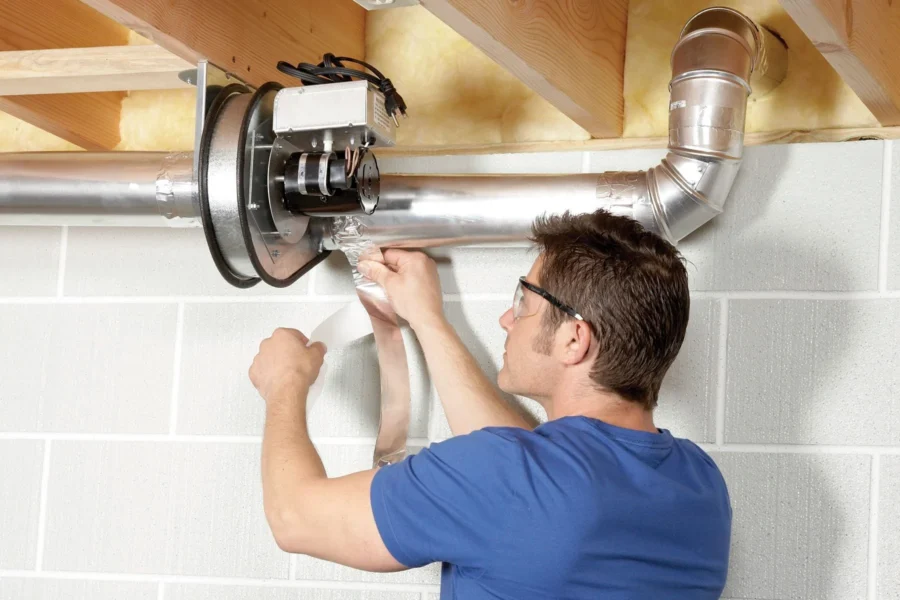
A dryer vent booster fan is an inline exhaust fan specifically designed to improve the airflow in your dryer’s exhaust ductwork. Think of it as an extra helper for your dryer’s internal blower. While your dryer has its own fan to push hot, moist air out, long or complex vent runs can significantly reduce its effectiveness.
How it Works: Installed directly into the dryer’s exhaust duct, the booster fan works in conjunction with your dryer. Most modern booster fans include a pressure switch or sensor that detects when your dryer is running. Once activated, the booster fan kicks in, providing an additional “push” to the air, helping it travel through extended lengths of ducting and around turns more efficiently. This ensures that the hot, humid air and lint are properly expelled to the outside.
Key Components:
- Inline Fan: The core component, typically a centrifugal fan designed to move air against resistance.
- Pressure Switch/Sensor: Activates the fan only when the dryer is operating.
- Housing: Encapsulates the fan and connects to the ductwork.
Does a Dryer Vent Booster Fan Really Work?
Yes, absolutely! When used in the right circumstances and installed correctly, a dryer vent booster fan can be highly effective. Many homeowners experience significant improvements in their dryer’s performance after installation.
Benefits of a Working Dryer Vent Booster Fan:
- Faster Drying Times: Clothes dry in a single cycle, saving you time.
- Energy Efficiency: Reduced drying times mean less energy consumption, leading to lower utility bills.
- Reduced Lint Buildup: Improved airflow helps prevent lint from settling in the vent, minimizing potential fire hazards.
- Extended Dryer Lifespan: Your dryer’s internal motor works less intensely, potentially prolonging its life.
- Enhanced Safety: Efficient expulsion of moist air reduces moisture buildup, which can lead to mold, and ensures lint is removed, lessening fire risk.
- Prevents Overheating: A struggling dryer can overheat, which is a fire hazard. Better airflow prevents this.
Important Caveat: A booster fan is designed to assist airflow, not to fix underlying problems. It will not compensate for a completely clogged vent, a crushed duct, or a system filled with lint. Regular cleaning of your dryer vent is still crucial, even with a booster fan.
How Far Can a Dryer Vent Run with a Booster Fan?
This is one of the primary reasons homeowners consider a dryer vent booster fan. Standard building codes and dryer manufacturers typically recommend a maximum dryer vent length, often around 25 feet for rigid metal ducting, with deductions for each 90-degree or 45-degree elbow (e.g., 5 feet for each 90-degree elbow). Exceeding these limits without assistance leads to poor performance and safety risks.
With a properly installed dryer vent booster fan, you can significantly extend the allowable length of your dryer vent. While specific distances vary based on the fan’s power, duct material (rigid metal is always recommended), and the number of turns, many booster fan systems can support vent runs of 60 to 100 feet or even more.
Factors Affecting Max Length:
- Booster Fan Model: Different fans have different power ratings.
- Duct Material: Rigid metal ducting offers the least resistance. Flexible foil or plastic ducts are never recommended due to fire hazards and excessive air resistance.
- Number of Elbows: Each bend creates resistance.
- Duct Diameter: Larger diameters (e.g., 4-inch) are standard.
- Regular Maintenance: Keep the vent and fan clean for optimal performance.
Always refer to the manufacturer’s specifications for your chosen booster fan, as they will provide precise guidelines for maximum allowable vent length and deductions for elbows.
When to Use a Dryer Vent Booster Fan?
A dryer vent booster fan isn’t necessary for every home, but it becomes an invaluable asset in specific situations. Consider installing one if you encounter any of the following:
- Long Vent Runs: This is the most common reason. If your dryer vent exceeds the manufacturer’s recommended length (typically 25 feet for rigid ducting, before elbow deductions), a booster fan is highly recommended.
- Multiple Elbows or Turns: Each 90-degree turn is equivalent to several feet of straight ducting in terms of airflow resistance. If your vent path has two or more elbows, a booster fan can significantly counteract the resulting airflow restriction.
- Slow Drying Times: If your clothes consistently take two or more cycles to dry completely, even after you’ve cleaned the lint trap and vent, compromised airflow is likely the culprit.
- Excessive Heat and Humidity in the Laundry Area: This indicates that the warm, moist air isn’t effectively exiting the building, often due to poor ventilation.
- High Energy Bills: When your dryer has to work harder and longer, it consumes more electricity or gas, increasing your utility costs.
- Dryer Overheating: Your dryer shutting off mid-cycle or feeling excessively hot can be a sign of poor exhaust, which a booster fan can help alleviate.
- Moving Dryer to a New Location: If you’re relocating your laundry room further from an exterior wall, planning for a booster fan from the outset can save you future headaches.
Before investing in a booster fan, always ensure your existing vent is clean, free of kinks or crushes, and made of rigid metal. A booster fan cannot fix these fundamental issues.
Conclusion: Is a Dryer Vent Booster Fan Right for You?
Dryer vent booster fans are a practical and effective solution for specific drying challenges, particularly those related to long or complex vent runs. By improving airflow, they can transform your laundry routine, offering faster drying times, enhanced energy efficiency, and a safer home environment.
If you recognize your situation in the scenarios described above – especially persistent slow drying or a significantly long vent – a dryer vent booster fan is a worthy investment. For optimal performance and safety, professional installation is strongly recommended to ensure proper sizing, secure connections, and correct electrical wiring. Consult with an HVAC professional or a dryer vent specialist to determine the best solution for your home.