Summer Learning: Fun Ways to Keep Kids Learning
7 min read
1238 words
When the final school bell rings in June, children look forward to sunshine, family outings, sleeping in, and a well-deserved break from homework. For parents, summer brings opportunities to spend more time together, explore new places, and enjoy a slower family routine. But while children need time to rest and recharge, the summer months can also be an opportunity to keep their minds active. Reading, playing games, exploring nature, and helping with everyday tasks can all support learning without making the holidays feel like an extension of the school year. In 2013, a survey conducted by Léger Marketing for Oxford Learning highlighted concerns about how little attention some Canadian families gave to summer learning. The survey found that nearly 65% of Canadian parents did not include learning activities in their family’s summer plans. You can read the findings in the original Oxford Learning summer learning survey. Although those findings reflect the period when the survey was conducted, the underlying question remains relevant today: how can parents encourage learning during the summer without taking away from the freedom and fun of the school break?
What Is the Summer Slide?
The term summer slide describes the loss of some academic skills or knowledge that can occur during an extended break from formal schooling. The extent of this learning loss varies from child to child, depending on factors such as age, subject, previous learning, and opportunities to practise skills outside the classroom.
Reading and mathematics are often discussed in connection with summer learning. Children who have fewer opportunities to read, practise new skills, or engage with educational activities may find certain concepts less familiar when school resumes.
However, summer is not a time when every child needs worksheets or a structured academic program. Children also benefit from rest, imaginative play, social experiences, physical activity, and time with family. The aim is to find simple ways to keep learning part of everyday life.
Easy Ways to Make Summer Learning Fun
Parents do not need to recreate a classroom at home to encourage learning. Some of the most valuable opportunities happen naturally during family activities, outings, and ordinary household routines.
Make Reading Part of the Day
Reading is one of the simplest ways to keep literacy skills active during the summer. Visit your local library and let your child choose books that match their interests. Audiobooks can also be a useful way to enjoy stories together while encouraging listening skills and comprehension. For more ideas, explore our guide to auditory memory learning aids for kids and comprehension.
Younger children can enjoy being read to, while older children may prefer reading independently. Audiobooks can also be a useful way to enjoy stories together.
Rather than making reading feel like an assignment, allow children to explore different genres and discover what they enjoy. Even a little reading on a regular basis can help maintain familiarity with books and language.
Bring Mathematics Into Everyday Activities
Maths does not have to involve sitting at a desk with a workbook. Cooking and baking provide opportunities to practise measuring, counting, fractions, and following instructions.
At the grocery store, children can compare prices, estimate costs, or help work within a small budget. During a family outing, they can calculate how long a journey might take or count the change after a purchase.
Board games, card games, puzzles, and building projects also offer opportunities to practise numbers, logic, problem-solving, and strategic thinking.
Explore Nature and Your Community
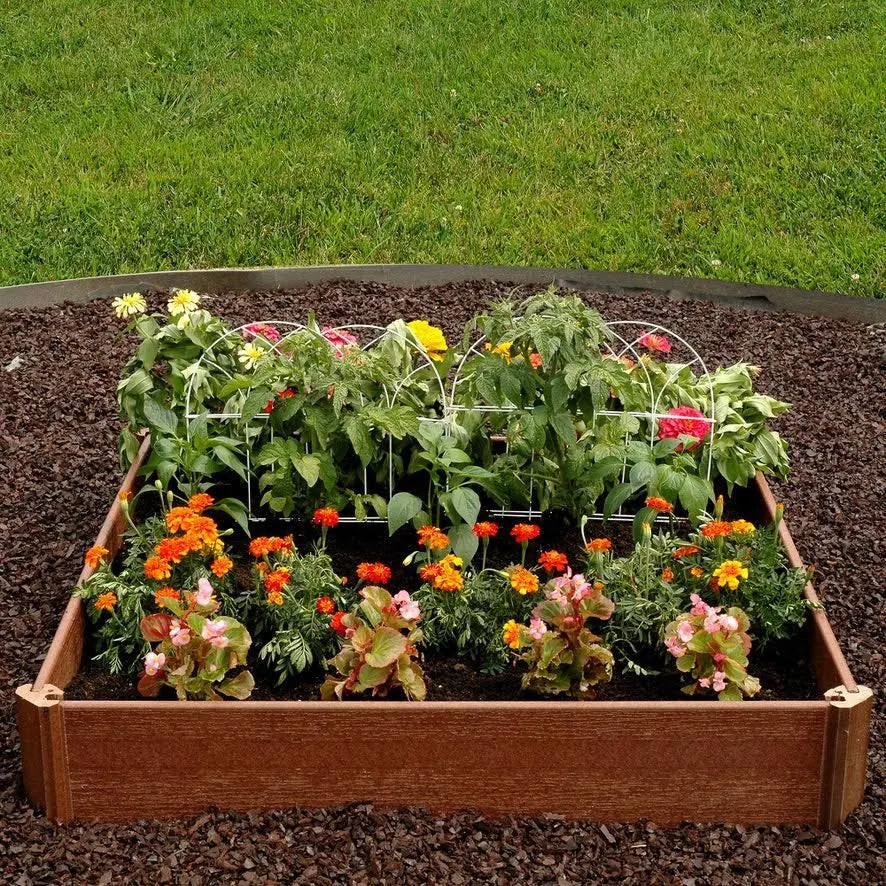
Summer is an excellent time to encourage curiosity about the world. Visit a local park, conservation area, museum, science centre, or historical site. Take a nature walk and look for birds, insects, trees, or wildflowers.
Gardening can introduce children to plant growth, weather, soil, and the responsibility of caring for living things. Even a few pots of herbs on a balcony or windowsill can become an enjoyable learning project.
Encourage children to ask questions, make observations, and share what they discover. Learning is often most memorable when children can connect new information with something they have experienced firsthand.
Encourage Writing Without Making It Homework
Writing can be part of summer fun, too. Invite your child to keep a journal, write a story, create a comic strip, or make a scrapbook of family adventures.
Younger children might draw pictures and add a few sentences, while older children may enjoy writing reviews of books, describing a favourite outing, or creating their own short stories.
Sending postcards to relatives and friends is another way to practise writing while keeping in touch. The emphasis should be on expressing ideas and enjoying the process, not correcting every spelling mistake.
Make Room for Educational Games and Creative Projects
Games and hands-on activities can encourage children to think creatively and solve problems. Puzzles, construction toys, science experiments, art projects, and age-appropriate educational games all offer ways to explore new ideas.
Children can also learn through activities such as following a recipe, planning a picnic, building a model, or figuring out how to repair or organise something with an adult.
Let your child’s interests guide some of these experiences. A child fascinated by space might enjoy a book about the planets, while a budding artist might learn through drawing, photography, or crafts.
Let Children Learn Through Everyday Responsibilities
Helping at home can develop practical skills, confidence, and independence. Depending on their age, children might help prepare meals, sort laundry, plan a shopping list, care for a pet, or organise their belongings.
These activities encourage children to follow instructions, solve problems, make decisions, and take responsibility. They also show that learning is not limited to textbooks or the classroom.
Finding the Right Balance Between Learning and Relaxation
It is important to remember that summer vacation is also a time for rest. Children need opportunities to play freely, spend time with friends, enjoy outdoor activities, and take a break from the demands of the school year.
There is no need to schedule every hour or turn every family outing into a lesson. Instead, look for manageable opportunities to keep reading, curiosity, and problem-solving part of the family’s routine.
For some children, a regular library visit and a few board games each week may be enough. Others may enjoy a summer reading program, creative workshops, or additional academic support if they need help with particular subjects.
Parents should also consider their child’s individual needs, interests, and learning challenges. A flexible approach is often easier to maintain than a demanding schedule, especially during busy family holidays.
Helping Children Feel Ready for September
As summer draws to a close, a gradual return to school routines can make the transition easier. Families can begin adjusting bedtime and wake-up times, organise school supplies, and talk positively about the year ahead.
Reading together, playing games, and revisiting familiar skills can help children ease back into a learning mindset without sacrificing their remaining holiday time.
Summer learning does not have to mean extra homework, expensive programs, or rigid schedules. Small, enjoyable experiences can encourage curiosity and give children opportunities to practise what they know.
The goal is not to make children spend their summer in a classroom. It is to help them enjoy their break while discovering that learning can happen anywhere, from the kitchen table to the local park.
With a little creativity and a flexible approach, families can make room for both summer fun and meaningful learning, helping children approach September feeling supported and ready for a new school year.