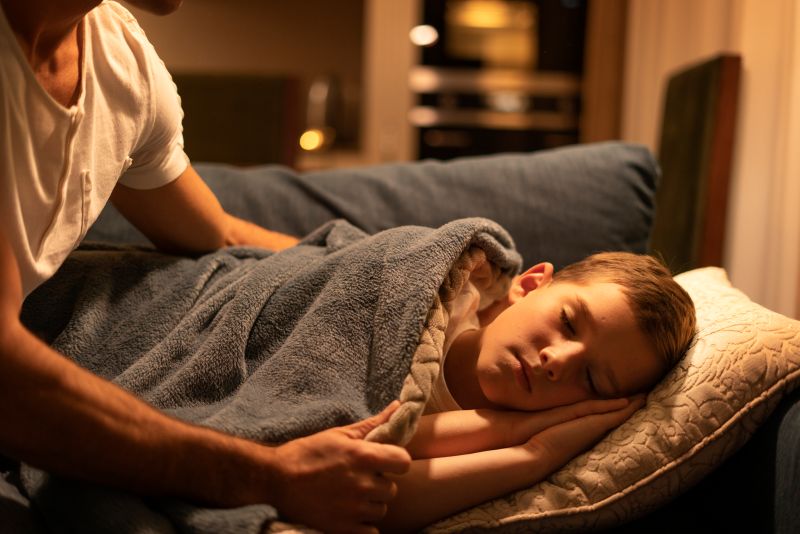
How to Build a Nighttime Routine That Grow Happier Kids
4 min read
649 words
In a world that moves quickly, the cherished few hours before bed can become a powerful anchor of comfort and connection for children. Creating a soothing, consistent nighttime routine offers much more than just sleep; it nurtures emotional security, strengthens parent/child bonds, and lays the foundation for healthy behaviors that last a lifetime. Research shows that children who follow reliable bedtime routines sleep better, regulate emotions more effectively and show stronger behavioral and cognitive development. Here’s a practical, step-by-step guide to designing a nighttime routine that helps your child (and you) feel calm, connected and ready for rest.
Understand the Why
- Consistent bedtime routines help children fall asleep faster, sleep longer, and wake less at night.
- They also support emotional and behavioral regulation. Children with regular bedtime schedules tend to have fewer mood swings and better self-control.
- These routines serve as calm, predictable transitions from the “busy day” to “restful night,” helping kids feel safe and confident in what’s coming next.
Recognizing this “why” gives you the motivation to maintain the habit, even on the nights when you’re tired or things don’t go perfectly.
Choose a Consistent Bedtime
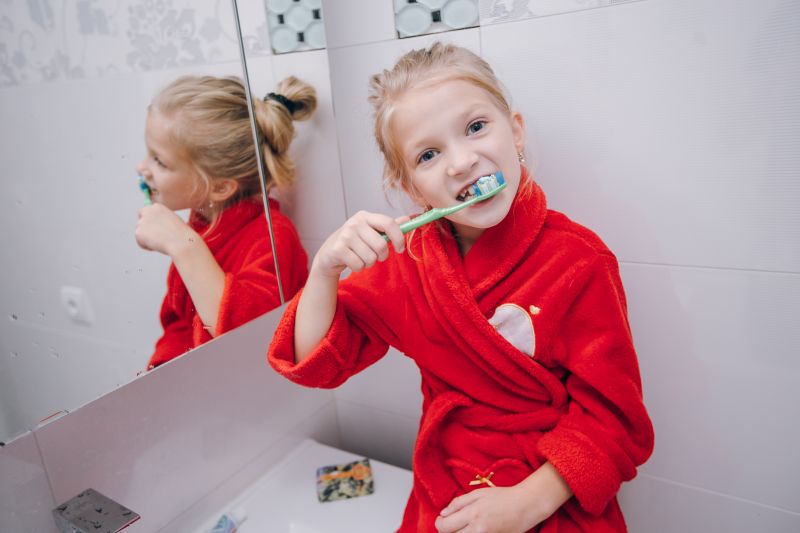
Pick a realistic bedtime for your child’s age and energy levels, and then decide the order of activities that leads up to it. The key is predictability. For example:
- Bathroom / teeth-brushing
- Comfortable sleep clothes
- Quiet activity (reading, story, cuddle)
- Lights-out at the same time
When the sequence remains the same, your child’s body and brain learn to recognize the pattern and gradually begin winding down.
Create the Environment for Calm
- Dim lights and reduce stimulation in the last 30-60 minutes. Screens off. Loud or active play done.
- Make the bedroom a calm, inviting space: soft lighting, comfortable temperature, favourite blanket or toy.
- Choose sleep-appropriate clothing. For some children, that means garments that reduce skin irritation or scratching, especially with sensitive skin. That’s why choosing something like the best Eczema pyjamas for children to reduce itching can add an extra layer of comfort and peace at bedtime.
Pick the Right Activities for the Routine
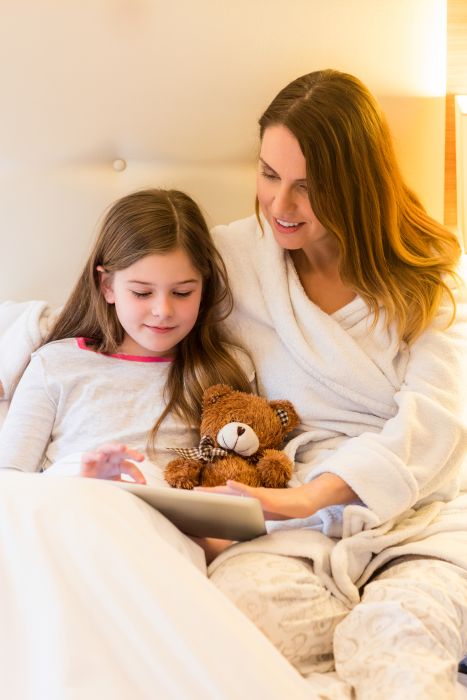
Here are examples of effective nighttime routine components:
- Hygiene & physical comfort: bath, brushing teeth, going to the toilet, putting on comfy PJs.
- Quiet connection: read a book together, tell a story, share about the day. These build both language skills and the bond you share.
- Relaxation cue: a lullaby, soft music, gentle back-rubbing, a little chat. These cues signal “now we wind down.”
- Final transition: When the main reading or chatting is done, a clear “bedtime” phrase (“Time for sleep now”) helps your child shift into sleep mode.
Consistency is more important than trying to jam in every possible soothing activity. Even a short 15-20 minute routine done every night is powerful.
Stick With It — Even When It’s Hard
- There will be nights when the routine gets disrupted (visits, late dinners, illness). Aim to return to normal as soon as possible.
- If you’re inconsistent, the benefits drop. Studies show a “dose-dependent” relationship: more consistent routine = stronger positive results.
- Encourage your child: praise the night when everything goes smoothly (“You brushed your teeth early and got into your PJs–great job!”).
- Don’t make the routine feel like a chore. Keep it warm, calm, and relational.
Why This Works for Happier Kids
Because routines like this offer:
- Safety & predictability: Children know what happens next, and that reduces anxiety.
- Emotional connection: The quiet time you share at the end of the day builds trust and closeness.
- Good sleep: When children rest well, their brains and bodies recover, which improves mood, attention, and behavior.
- Life skills: Regular routines teach children self-care, time-management, and independence (e.g., getting ready for bed without prompting).
When kids feel rested, emotionally supported, and secure, they are more likely to wake in a good mood, engage well in the day, and handle transitions with resilience.