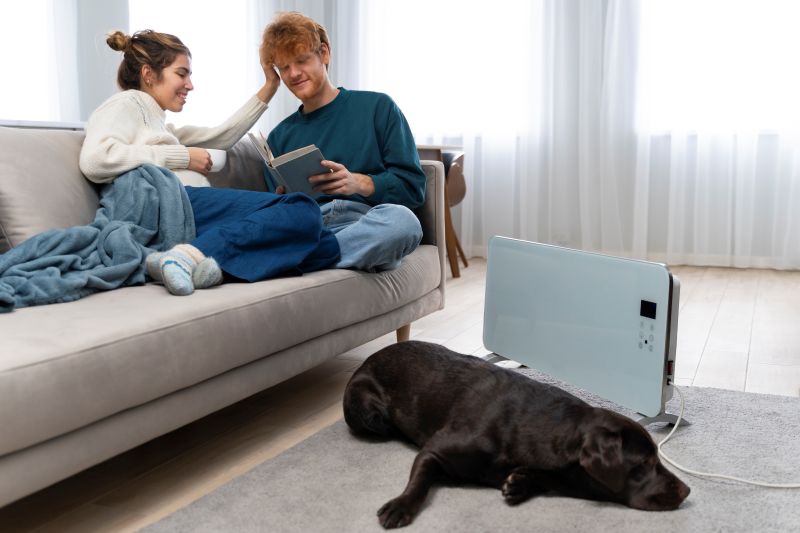
The Ultimate Guide to Using Your Space Heater Correctly
7 min read
1392 words
As the temperatures drop and winter’s chill creeps in, there’s an undeniable allure to the warm, comforting glow of a space heater. These portable powerhouses can transform a drafty corner into a toasty sanctuary, making those long winter nights a lot more enjoyable. However, this warmth comes with a shadow – the very real risk of a serious home fire if these devices aren’t handled with the utmost care and respect. The National Fire Protection Association (NFPA) consistently reports that space heaters are a leading cause of home fires and home fire injuries during the colder months. Understanding how to use them safely isn’t just a good idea; it’s a critical step in protecting your home and loved ones.
Understanding the “Why”: Common Causes of Space Heater Fires
Before we dive into the “how” of safe space heater operation, it’s crucial to understand the common scenarios that lead to disaster. Most space heater fires aren’t a result of faulty manufacturing, but rather user error and a lack of awareness.
One of the most prevalent dangers is improper placement. Space heaters, especially those with exposed heating elements or those that utilize radiant heat, generate significant heat. Placing them too close to flammable materials is a recipe for disaster. This includes, but is not limited to:
- Curtains and Drapes: These soft fabrics can easily be brushed against by a heater or even stirred by air currents, igniting with surprising speed.
- Furniture: Upholstered chairs, sofas, and even bedding can be highly flammable. Leaving a heater too close to these items, particularly overnight, is a major fire hazard.
- Paper Products: Books, newspapers, and cardboard boxes are surprisingly combustible and should be kept a safe distance away.
- Clothing and Linens: Don’t drape clothes or blankets over a space heater to dry them. This is a direct path to a fire.
Another significant risk factor is using a damaged or malfunctioning heater. Like any electrical appliance, space heaters can develop faults over time. Frayed cords, damaged casings, or malfunctioning thermostats can all increase the risk of a fire. Ignoring small issues can lead to catastrophic consequences.
Overuse and unattended operation also contribute to a substantial number of fires. While the temptation to leave a heater running all day and night might be strong, especially to maintain a pre-set temperature, this drastically increases the risk. Heaters left on for extended periods without supervision are more likely to malfunction or encounter unforeseen hazards. Furthermore, modern heaters often have safety features, but even the most advanced can’t account for every scenario when left completely unchecked.
Finally, improper maintenance and cleaning can lead to issues. Dust and debris can accumulate on the heating elements of some models, which can then overheat and ignite. Regular cleaning, as per the manufacturer’s instructions, is a simple yet effective preventative measure.
The Pillars of Safe Space Heater Usage
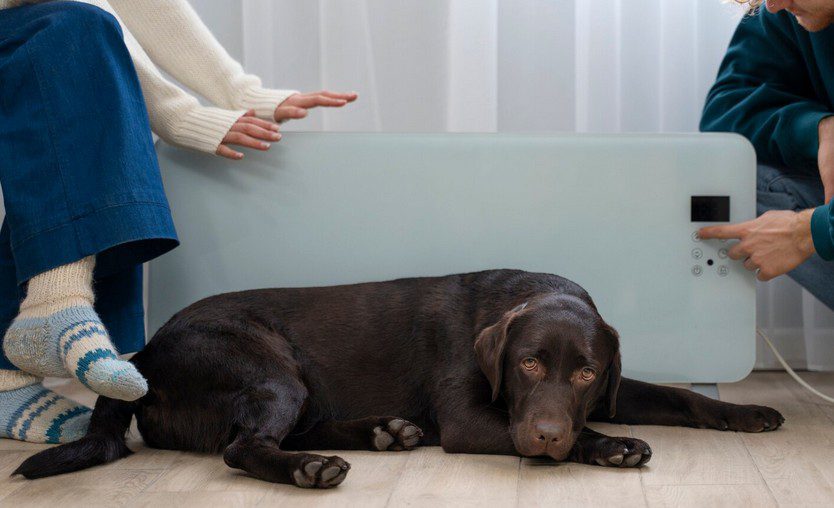
Now that we understand the pitfalls, let’s build a foundation of safe practices. Adhering to these guidelines will significantly reduce the risk of a fire and allow you to enjoy the warmth of your space heater with peace of mind.
1. Read and Follow Manufacturer Instructions: This might seem obvious, but it’s the most crucial step. Every space heater is designed slightly differently, and the manufacturer’s manual contains vital information regarding safe setup, operation, and maintenance specific to that model. Don’t assume all heaters operate the same way.
2. Maintain a Safe Clearance Zone: This is paramount. As a general rule of thumb, keep your space heater at least three feet away from any flammable materials. This includes furniture, bedding, curtains, and anything else that could easily catch fire. Consider where the heat is directed and ensure that path is clear.
3. Choose the Right Location: * Stable, Level Surface: Always place your space heater on a firm, level surface. This prevents it from tipping over, which can activate safety shut-offs but also pose a direct fire risk if it falls onto flammable materials. * Avoid High-Traffic Areas: Place heaters where they are less likely to be knocked over by pets, children, or passing traffic. * Never in Bathrooms or Wet Areas: Water and electricity are a dangerous combination. Do not use space heaters in bathrooms, laundry rooms, or any area where they might come into contact with moisture. * Avoid Extension Cords: Whenever possible, plug your space heater directly into a wall outlet. Extension cords can overheat and are a common cause of electrical fires, especially if they are not rated for the high wattage of a space heater. If you must use an extension cord, ensure it is heavy-duty and specifically designed for high-wattage appliances.
4. Supervise Operation Closely: Never leave a space heater running unattended. This means turning it off when you leave a room, even for a short period, and especially before going to sleep. Modern heaters have advanced safety features, but they are not a substitute for responsible supervision.
5. Utilize Modern Safety Features: When purchasing a new space heater, look for models with features like: * Automatic Shut-Off: This is a critical safety feature that automatically turns off the heater if it tips over. * Overheat Protection: This feature will shut down the heater if internal components get too hot. * Cool-Touch Exterior: Some models are designed to remain cooler on the outside, reducing the risk of burns.
6. Regular Inspection and Maintenance: Before each heating season, and periodically throughout, inspect your space heater. Check the cord for any damage, like fraying or cracking. Ensure the plug is secure and not loose. Clean the heater according to the manufacturer’s instructions, paying special attention to any vents or heating elements where dust can accumulate.
Beyond the Basics: Extra Layers of Protection
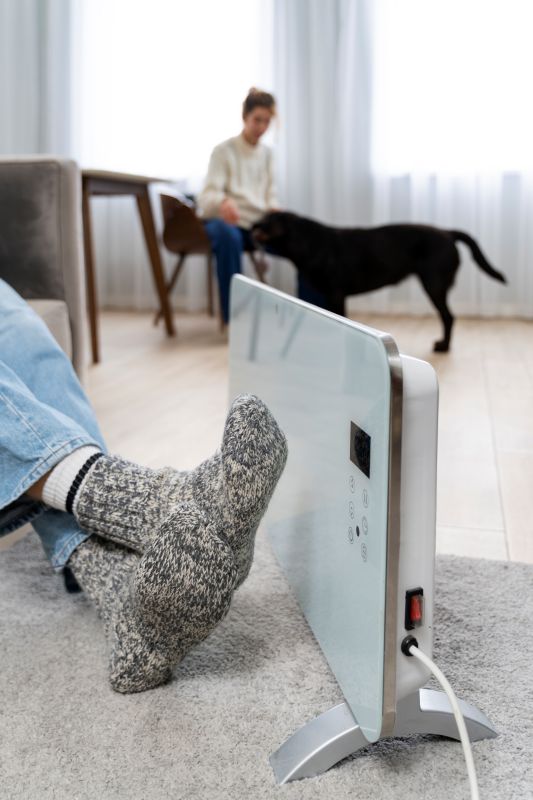
While the core principles of safe usage are paramount, there are additional layers of protection you can implement to further safeguard your home and family from the risks associated with space heaters.
1. Invest in Working Smoke Alarms: This is non-negotiable. Ensure you have working smoke alarms on every level of your home, inside and outside sleeping areas. Test them monthly and change the batteries at least once a year, or as recommended by the manufacturer. A working smoke alarm is your first line of defense, providing precious early warning in the event of a fire.
2. Educate Your Household: Make sure everyone in your home understands the importance of space heater safety. Teach children about the dangers and establish clear rules about not touching the heater or playing near it. Discuss the importance of keeping flammable materials away from the device.
3. Consider the Type of Heater: Different types of space heaters have varying safety profiles. * Ceramic Heaters: These often have a fan and a ceramic plate that heats up. They tend to be a safer choice as they circulate air and don’t have exposed heating elements. * Oil-Filled Radiators: These are generally considered very safe as they heat oil internally and radiate heat slowly and steadily without exposed elements. * Infrared or Radiant Heaters: These directly heat objects and people in their path. While effective, they require even more careful placement to avoid igniting nearby materials.
4. Avoid “DIY” Fixes or Modifications: Never attempt to repair a space heater yourself unless you are a qualified professional. If a heater is malfunctioning, it’s safer and more cost-effective to replace it than to risk a fire due to an improper repair.
5. Grate Caution with Pets and Children: While maintaining a safe clearance is essential for everyone, extra vigilance is needed around pets and young children who may not understand the danger. Consider a heater guard or barricade if necessary, but ensure it doesn’t impede airflow.
6. Be Wary of Secondhand Heaters: While it might be tempting to save money by buying a used space heater, exercise extreme caution. Older models may lack modern safety features, and there’s no guarantee of their condition or maintenance history. If you do purchase a used unit, inspect it thoroughly for any signs of damage or wear.
In conclusion, space heaters can be a wonderful addition to your home during the winter months, providing much-needed warmth and comfort. However, their potential for causing devastating fires cannot be overstated. By understanding the risks, adhering to strict safety guidelines, and implementing continuous vigilance, you can transform your space heater from a potential hazard into a safe and reliable source of winter warmth. Prioritizing safety allows you to truly enjoy the cozy embrace of winter without the looming threat of fire.