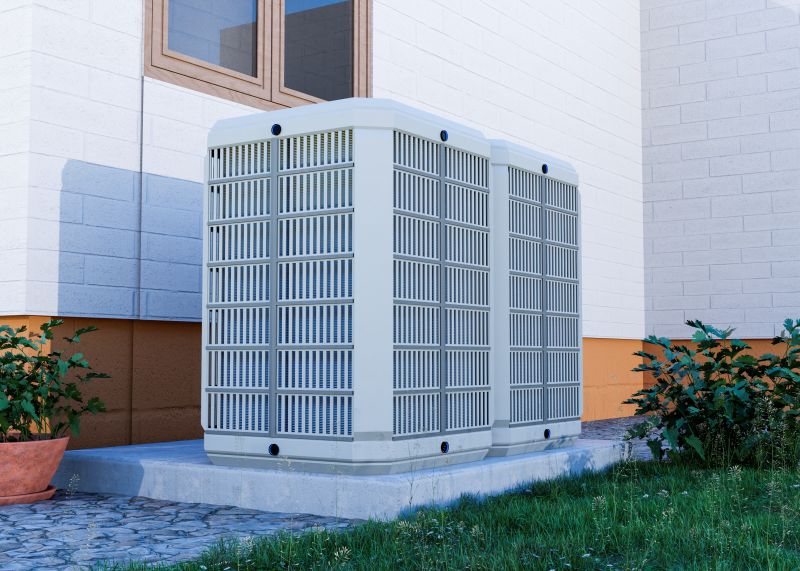
The Pros and Cons of Heat Pumps
8 min read
1429 words
Heat pumps have moved from the niche of “green‑tech enthusiasts” into mainstream HVAC conversations. Their ability to both heat and cool a home with a single piece of equipment makes them an attractive alternative to traditional furnaces and air‑conditioners. But like any technology, heat pumps come with strengths and trade‑offs. This guide breaks down the key advantages and disadvantages so you can decide whether a heat pump is the right fit for your property, climate, and budget.
How Heat Pumps Work
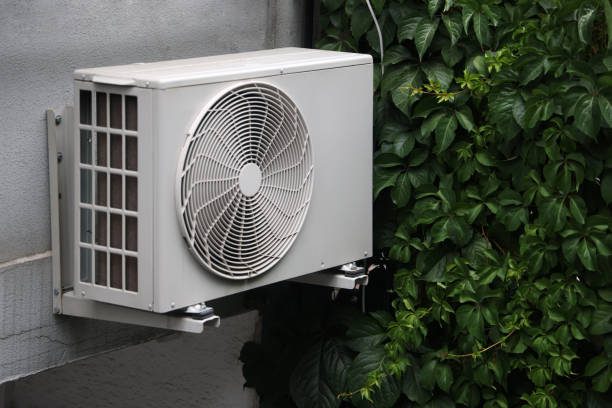
Before diving into the benefits and drawbacks, it helps to understand the basic science. A heat pump is essentially a refrigerator running in reverse during the heating season. It uses a refrigerant cycle driven by a compressor to move heat from one place to another:
| Mode | Where the heat comes from | Where the heat goes |
|---|---|---|
| Heating | Outside air, ground, or water (depending on the type) | Inside the building |
| Cooling | Inside the building | Outside (or into the ground/water) |
Because the system transfers existing heat rather than generating it by burning fuel, it can achieve coefficients of performance (COP) of 3–5. In plain English, for every unit of electricity it consumes, a heat pump can deliver three to five units of heat—a level of efficiency that is hard to match with conventional systems.
The Upsides: Why Homeowners Love Heat Pumps
Energy Efficiency & Lower Utility Bills
- High COP values mean you get more heat (or cooling) per kilowatt‑hour of electricity. In moderate climates, annual savings of 20‑40 % on heating bills are common.
- Seasonal performance: Modern air‑source heat pumps retain reasonable efficiency down to about –15 °C (5 °F). Cold‑climate models with variable‑speed compressors can still achieve a COP of 2–2.5 at –20 °C (–4 °F).
Dual‑Functionality – One System, Two Jobs
- Space‑saving: No need for separate furnace, air‑conditioner, and often even a water heater (if you opt for a “dual‑source” or “integrated” system).
- Simplified maintenance: One set of filters, one thermostat, one service contract.
Environmental Benefits
- Reduced carbon footprint: Because most of the heat is transferred rather than produced, emissions are lower—especially when the electricity comes from renewable sources.
- No combustion gases: No risk of carbon monoxide leaks, a safety advantage over oil or natural‑gas furnaces.
Consistent Indoor Comfort
- Gradual temperature changes: Heat pumps often use in‑floor radiant or ducted low‑velocity distribution, delivering a gentle, even warmth that eliminates hot‑spot “blasts” typical of forced‑air furnaces.
- Dehumidification: In cooling mode, the system naturally removes moisture, improving indoor air quality.
Incentives & Rebates
- Many federal, state, and local programs offer tax credits (e.g., the U.S. Inflation Reduction Act’s up‑to‑$2,000 credit for qualifying heat pumps) and utility rebates that can offset a significant portion of the upfront cost.
The Drawbacks: What Can Hold You Back
Higher Initial Investment
- Equipment cost: A typical air‑source heat pump ranges from $4,000‑$8,000 (including the indoor unit), while ground‑source (geothermal) systems can exceed $20,000 because of the extensive loop field installation.
- Installation complexity: Proper sizing, refrigerant handling, and ductwork modifications often require a certified specialist, adding labor expenses.
Performance in Extreme Cold
- Capacity drop: As outdoor temperature falls, the COP declines, meaning the unit works harder for the same heat output. In very cold regions (e.g., parts of the Upper Midwest, Canada), supplemental electric resistance heating may be needed, eroding efficiency gains.
- Defrost cycles: To melt frost on outdoor coils, the system periodically runs in reverse, briefly reducing heating output and using a small amount of extra electricity.
Noise Concerns
- Outdoor unit: Modern units are quieter than older models, but fans and compressors can still generate 50–70 dB(A), comparable to a dishwasher. Placement near bedrooms or quiet neighborhoods may require acoustic shielding.
Compatibility with Existing Infrastructure
- Ductwork: Homes with leaky or undersized ducts may see reduced efficiency. In many retrofit scenarios, homeowners need to upgrade insulation, seal ducts, or add a mini‑split system that bypasses ducts altogether.
- Electrical capacity: Heat pumps draw a notable amount of current, especially during start‑up. Older homes may need an upgraded breaker panel to accommodate the load.
Maintenance Nuances
- Refrigerant handling: Unlike a furnace that only needs a filter change, heat pumps have compressors, condensers, and expansion valves that require periodic professional inspection.
- Seasonal checks: To keep the defrost cycle optimal and ensure proper airflow, indoor and outdoor coils need cleaning at least once a year.
Choosing the Right Heat Pump for Your Situation
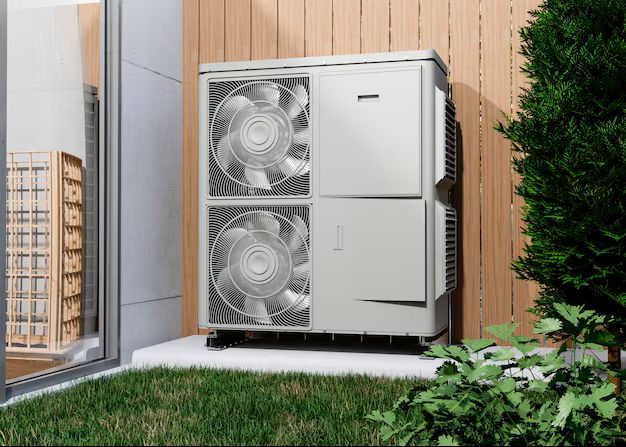
Climate is the Deciding Factor
| Climate Zone | Recommended Type | Key Considerations |
|---|---|---|
| Mild (10 °C–30 °C / 50 °F–86 °F) | Standard air‑source | Simple installation, high efficiency year‑round |
| Cool (–5 °C–10 °C / 23 °F–50 °F) | Cold‑climate air‑source (inverter/compressor) | Look for COP ≥ 2.5 at –15 °C; optional supplemental heat |
| Cold (below –5 °C / 23 °F) | Ground‑source (geothermal) or hybrid (heat pump + furnace) | Ground‑source maintains stable efficiency; hybrid covers extreme lows |
| Hot (above 30 °C / 86 °F) | Air‑source with robust cooling capacity | Ensure SEER rating ≥ 15 for efficient cooling |
Sizing Matters – Avoid Over‑ or Under‑Sizing
- Manual J load calculation: Engage an HVAC professional to compute the exact heating and cooling loads based on insulation levels, window sizes, orientation, and occupancy.
- Modulating vs. single‑stage units: Variable‑speed (inverter) compressors adjust output incrementally, delivering better comfort and efficiency than single‑stage units that run full‑blast and cycle on/off.
Integration with Renewable Energy
- Solar‑PV pairing: Pairing a heat pump with a rooftop solar array can dramatically lower operating costs, sometimes making heating virtually free during daylight hours.
- Battery storage: In off‑grid or backup scenarios, a battery can store excess solar power to run the heat pump at night, enhancing resilience.
Financial Planning
| Cost Component | Typical Range | Financing Options |
|---|---|---|
| Equipment (air‑source) | $4,000–$8,000 | Manufacturer rebates, low‑interest HVAC loans |
| Installation (air‑source) | $2,000–$4,000 | Home equity line of credit (HELOC) |
| Ground‑source equipment | $10,000–$20,000 | Long‑term financing (10–15 yr) due to higher upfront cost |
| Incentives (U.S.) | Up to $2,000 federal credit + state rebates | Combine multiple incentives to reduce net cost up to 30 % |
Real‑World Examples: Success Stories and Cautions
Case Study – Suburban Home in Portland, OR
- Situation: 2,200 sq ft, built in 1998, poorly insulated attic, typical Pacific Northwest climate (average winter low 2 °C / 35 °F).
- Solution: Installed a 3‑ton, inverter‑driven air‑source heat pump with a modestly sized gas furnace as backup. Added attic insulation and sealed ducts.
- Outcome: Heating bills fell from $180/month to $110/month (≈ 39 % reduction). The backup furnace kicked in only 8 % of heating hours.
Cautionary Tale – Rural Cabin in Minnesota
- Situation: 1,600 sq ft cabin, extreme winter lows regularly hitting –30 °C (–22 °F).
- Solution: Opted for a standard air‑source heat pump to save on upfront cost.
- Result: During the coldest weeks the unit relied heavily on electric resistance heat, spiking electricity usage to 2–3 times the normal level and causing monthly heating costs of $400+. The homeowner later added a propane furnace for reliability, essentially turning the setup into a hybrid.
Lesson: In regions where temperatures regularly dip below the efficient operating range of most air‑source models, a ground‑source system or hybrid approach can be more economical in the long run.
Bottom Line – Is a Heat Pump Right for You?
| Pros | Cons |
|---|---|
| High efficiency – up to 5 × the heat of the electricity used | Higher upfront cost – especially for geothermal |
| Dual heating/cooling – one system does it all | Performance dip in extreme cold (may need backup) |
| Lower emissions – no on‑site combustion | Potential noise from outdoor unit |
| Eligibility for rebates – tax credits, utility incentives | May require ductwork upgrades or electrical panel upgrade |
| Improved comfort – steady temperature, better humidity control | Regular professional maintenance (compressor, refrigerant) |
Bottom line: If you live in a mild to moderately cold climate, have a reasonable budget for the initial outlay, and value energy efficiency and environmental stewardship, a modern air‑source heat pump is often the smartest choice. In colder climates, weigh the added cost of a ground‑source system or a hybrid configuration against the long‑term savings and comfort benefits.
Quick Checklist Before You Commit
- Assess your climate – use local temperature data to decide which pump type suits you.
- Get a professional load calculation – avoid costly oversizing.
- Check for incentives – combine federal, state, and utility rebates.
- Verify home readiness – inspect ducts, insulation, and electrical capacity.
- Consider future energy plans – solar PV, battery storage, or planned home renovations.
When you line up the technical facts with your budget and sustainability goals, a heat pump can be a game‑changing upgrade that pays for itself while keeping your home comfortable year‑round.
Ready to explore your options? Contact a certified HVAC contractor today for a free on‑site evaluation and see how much you could save with a heat pump.