

The Ultimate Guide to Installing a Granny Pod
7 min read
1378 words
The concept of multigenerational living is making a powerful comeback, and at the forefront of this trend is the “granny pod.” Also known as an Accessory Dwelling Unit (ADU), in-law suite, or casita, a granny pod is a self-contained living space built in the backyard of a primary residence. It offers the perfect balance of proximity and privacy, allowing aging parents or other family members to live close by while maintaining their independence.
However, moving from idea to installation is a significant undertaking that requires careful planning and execution. It’s more than just dropping a tiny home in your yard; it involves navigating regulations, preparing the land, and coordinating with a team of professionals. This comprehensive guide will walk you through the essential phases of installing a granny pod, ensuring your project is a success from start to finish.
Planning, Permitting, and Budgeting
Before a single shovel of dirt is turned, the most critical work happens on paper and over the phone. This foundational stage sets the entire project up for success and helps you avoid costly mistakes.
1. Navigating Zoning Laws and Building Permits: This is, without a doubt, the most important first step. You cannot install a granny pod without official approval. Every city, county, and municipality has its own set of rules governing ADUs. Start by contacting your local planning or building department and ask about:
- Zoning Requirements: Can you legally build a secondary dwelling on your property? Are there restrictions on size, height, or placement (e.g., setback requirements from property lines)?
- Building Codes: The pod must meet local residential building codes for safety, including standards for electrical, plumbing, and structural integrity.
- Permit Application Process: Understand what documents you need to submit. This often includes detailed site plans, architectural drawings of the unit, and plans for utility connections.
Pro Tip: Working with a company that specializes in ADUs can be a major advantage here, as they are often experienced in navigating the local permitting process.
2. Establishing a Realistic Budget: The final price tag of a granny pod can vary dramatically. It’s crucial to create a detailed budget that accounts for all potential expenses:
- The Unit Itself: The cost of a prefabricated pod can range from $50,000 to over $200,000, depending on size, materials, and level of customization. A custom-built unit will have a different cost structure.
- Site Preparation: This includes clearing the land, excavation, and pouring a foundation. Costs can range from $5,000 to $20,000+.
- Utility Connections: Tying into the main house’s water, sewer, and electrical systems is a major expense. Expect to pay between $10,000 and $30,000, depending on the distance and complexity.
- Permits and Fees: Government fees can add several thousand dollars to your total.
- Delivery and Crane Rental: Getting the pod into your backyard might require specialized equipment.
- Finishing Touches: Don’t forget landscaping, building a deck or ramp, and furnishing the interior.
- Contingency Fund: Always set aside an extra 10-15% of your total budget for unexpected costs.
3. Choosing the Right Granny Pod: With your legal and financial groundwork laid, you can focus on the unit. Consider the specific needs of the person who will be living there. Key factors include:
- Size and Layout: Do they need one or two bedrooms? An open-concept living area?
- Accessibility: Incorporate universal design principles like wide doorways, no-step entry, a walk-in shower with grab bars, and countertops at an accessible height.
- Prefabricated vs. Custom-Built: Prefabricated units are built off-site in a factory, which can speed up the timeline and control costs. Custom-built pods offer more design flexibility but can be more expensive and time-consuming.
Site Preparation and Foundation Work
With permits in hand and a unit selected, it’s time to prepare your property for its new addition. This phase transforms a section of your backyard into a construction-ready site and is critical for the long-term stability and safety of the granny pod.
1. Site Access and Clearing: First, determine the best location for the pod in your yard. You’ll need to consider privacy, sun exposure, and, most importantly, proximity to the main house’s utility lines. The path to the site must also be cleared for heavy machinery. This may involve temporarily removing a section of fence, trimming tree branches, or creating a temporary driveway. The designated area must be completely cleared of trees, shrubs, and any other obstructions.
2. Excavation and Grading: The ground where the pod will sit must be perfectly level. A professional excavation team will grade the site, removing topsoil and ensuring a flat, compacted base. This is also when trenches are dug for the utility lines. These trenches will run from the main house to the pod site, housing the pipes and conduits for water, sewer, and electricity. It is crucial that this work is done by licensed professionals to ensure it meets code and is done safely.
3. Pouring the Foundation: The granny pod needs a stable foundation to rest on. The type of foundation will depend on your local soil conditions, climate, and the specific requirements of the pod manufacturer. The most common options include:
- Concrete Slab: A monolithic slab-on-grade foundation is extremely durable and permanent. It provides a solid, level base and is ideal for colder climates as it helps insulate the floor.
- Pier Foundation (or Crawl Space): This involves creating a series of concrete piers that elevate the structure off the ground. This method is less invasive, can be more cost-effective, and is well-suited for sloped lots or areas with soil moisture issues.
- Screw Piles: A more modern alternative, screw piles (or helical piles) are steel posts that are screwed deep into the ground. They are fast to install, create minimal disruption, and can be used in a variety of soil conditions.
Before any concrete is poured or piles are set, a city inspector will likely need to visit the site to approve the foundation prep work and utility trenching.
Delivery, Installation, and Final Connections
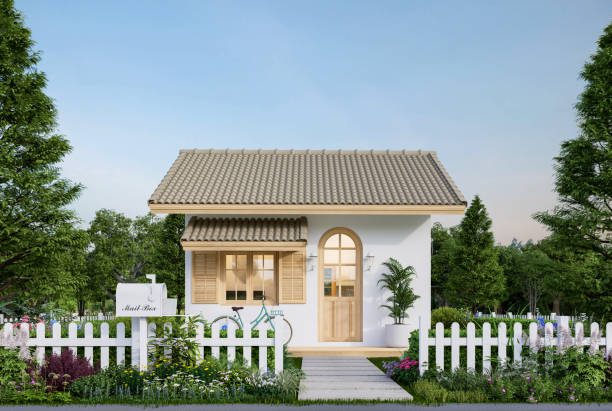
This is the most exciting phase, where the physical structure finally arrives and is transformed into a habitable home. Precision and professional expertise are paramount.
1. Delivery Day: For a prefabricated unit, delivery day is a major event. The pod, or its modular sections, will arrive on a large flatbed truck. In most cases, a crane is required to lift the unit from the truck and carefully place it onto the prepared foundation. This process requires a highly skilled crew and meticulous coordination to ensure the unit is set perfectly in place.
2. Securing the Unit and Finishing the Exterior: Once the pod is on the foundation, it is permanently secured using anchor bolts or steel straps. If the unit arrived in multiple modules, they will be expertly joined together and sealed to be completely weatherproof. The exterior finishing work can now be completed. This includes:
- Installing Skirting: This material covers the gap between the bottom of the pod and the ground, protecting the underside and giving the structure a finished look.
- Building Decks, Stairs, or Ramps: Essential for safe and easy access to the home.
- Weatherproofing: All seams and connection points are checked and sealed.
3. Utility Hookups and Systems Integration: This is where the pod becomes a home. Licensed plumbers and electricians will perform the final hookups:
- Plumbing: The water supply lines are connected to the main house’s system, and the pod’s sewer line is connected to the city sewer or septic tank.
- Electrical: An electrician will connect the pod to your home’s main electrical panel, often by installing a dedicated sub-panel inside the unit. They will also connect any exterior lighting and outlets.
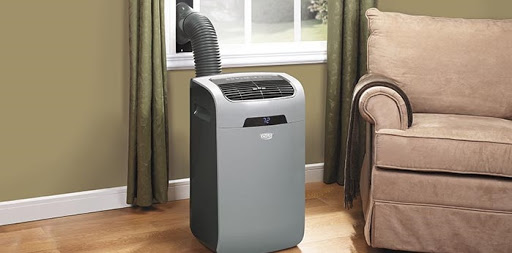
- HVAC: The heating, ventilation, and air conditioning system is installed and commissioned.
4. Final Inspections and Certificate of Occupancy: Throughout the installation process, local building inspectors will visit the site multiple times to approve the electrical, plumbing, and structural work. Once all work is complete and has passed every inspection, the city will issue a Certificate of Occupancy. This is the final, official document that declares the granny pod a legal and safe dwelling. Only after you receive this can someone officially move in.
With the keys in hand, all that’s left is to add the personal touches—landscaping, furniture, and décor—that will make your new granny pod a warm, welcoming, and independent home for your loved one.





Thank you so much for sharing this comprehensive guide on granny pods and ADUs. It’s incredibly helpful to understand the essential phases of installation, especially for such a timely and important living concept. I appreciate you providing such clear and practical information.