Repairing Large Cracks in Your Concrete Driveway: A Guide
9 min read
1654 words
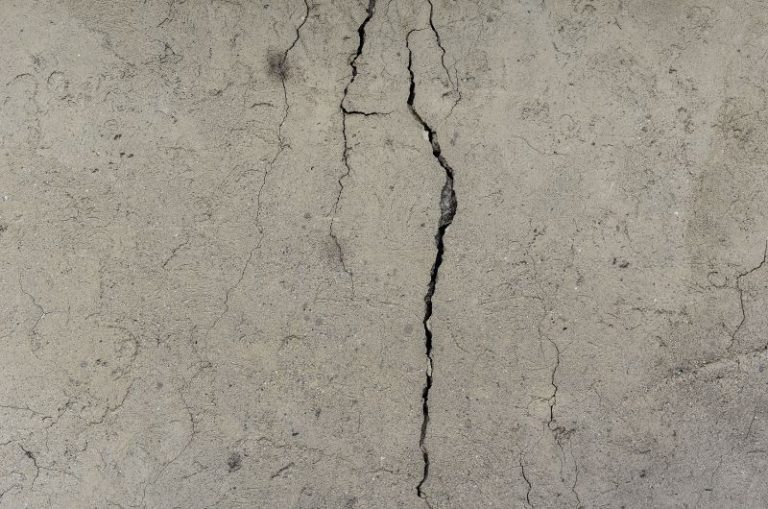
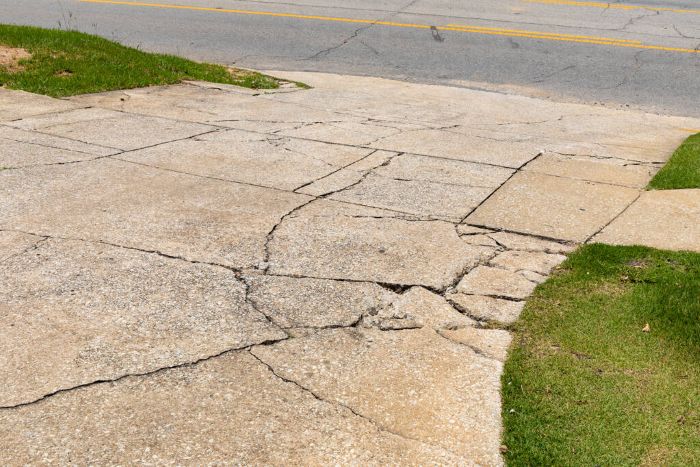
A concrete driveway is a workhorse. It endures the weight of vehicles, the harshness of weather, and the general wear and tear of daily life. Over time, even the most robust concrete can develop cracks. While small hairline cracks are often cosmetic, larger fissures can be a sign of underlying issues and, if left unaddressed, can lead to more significant damage, compromising the structural integrity of your driveway.
Fear not! Repairing large cracks in your concrete driveway is a manageable DIY project with the right knowledge and materials. This guide will walk you through the process, from understanding the causes to achieving a durable and aesthetically pleasing repair.
Understanding the Culprits: Why Do Large Cracks Form?
Before we grab our tools, it’s helpful to understand why these larger cracks appear. Identifying the root cause can help prevent future problems and inform the best repair strategy.
- Freeze-Thaw Cycles: Water seeps into tiny pores and cracks in the concrete. When temperatures drop below freezing, this water expands, exerting pressure. As temperatures rise, it thaws and contracts. This repeated expansion and contraction, known as the freeze-thaw cycle, can gradually widen and deepen cracks. This is particularly prevalent in regions with harsh winters.
- Soil Movement and Settling: The ground beneath your driveway isn’t always as stable as it seems. Variations in moisture content, the presence of tree roots, or simply the natural settling of soil can cause the sub-base to shift. When the concrete slab is no longer supported evenly, stress builds up, leading to cracking.
- Heavy Loads and Stress: While concrete is strong, it has its limits. Consistently parking heavy vehicles, especially in one spot, or driving repeatedly over weaker areas can put excessive stress on the material, eventually causing it to fracture.
- Improper Concrete Mix or Installation: If the concrete was not mixed with the correct ratio of cement, aggregates, and water, or if it wasn’t cured properly during installation, it can be inherently weaker and more prone to cracking over time. Poor compaction of the sub-base before pouring can also contribute to future settling and cracking.
- Shrinkage During Curing: Concrete naturally shrinks slightly as it dries and hardens. If expansion joints were not adequately incorporated into the design, or if the pour was extremely large without control joints, this internal stress can manifest as cracks.
Essential Tools and Materials for the Job
Having the right gear is crucial for a successful crack repair. Here’s a breakdown of what you’ll need:
Tools:
- Safety Gear: Safety glasses, heavy-duty gloves, and a dust mask are non-negotiable. You’ll be dealing with dust, debris, and potentially harsh chemicals.
- Stiff Bristle Brush or Wire Brush: For cleaning out loose debris from the crack.
- Hammer and Chisel or Concrete Grinder: Essential for widening and undercutting the crack, creating a better surface for the repair material to adhere to. A grinder with a diamond blade is more efficient for larger cracks.
- Shop Vacuum: To thoroughly remove all dust and debris after preparation.
- Trowels (Margin Trowel, Finishing Trowel): For applying and smoothing the patching material. A pointing trowel is excellent for working material into deeper cracks.
- Caulking Gun: If you’re using a pourable or gunnable crack filler.
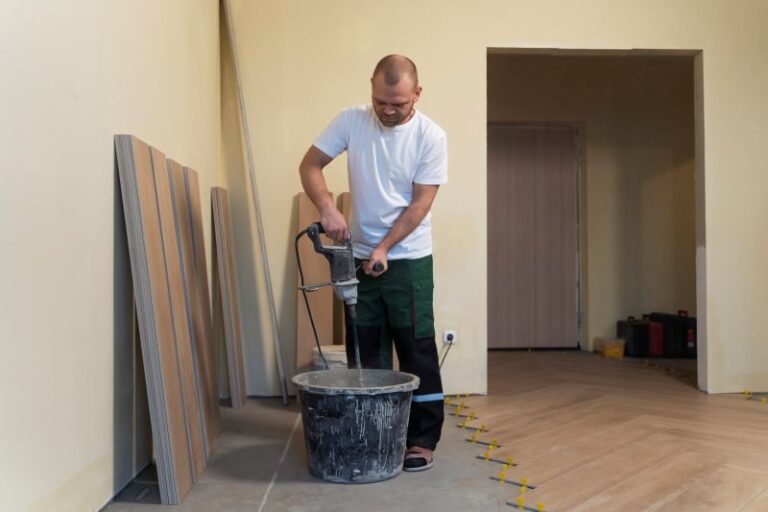
- Bucket and Mixing Tool: For any cementitious patching compounds.
- Hose with Spray Nozzle: For wetting the concrete before applying some patching materials.
- Edger (Optional): To create smooth edges around the repair.
Materials:
- Concrete Cleaner/Degreaser: To remove oil, grease, and other surface contaminants that could hinder adhesion.
- Crack Filler: The type of filler you choose is critical and depends on the size and depth of the crack. Options include:
- Self-Leveling Concrete Crack Filler: Ideal for medium to large cracks (1/4 inch to 1 inch wide) that are relatively deep. These are typically polyurethane-based and flow into the crack, leveling themselves out.
- Concrete Repair Caulk/Sealant: Polyurethane or silicone-based, these are flexible and suitable for cracks up to 1/2 inch wide. They offer good weather resistance and can accommodate some movement.
- Cementitious Patching Compound: These are cement-based mixtures that you add water to. They are best for larger, deeper cracks where minimal flexibility is required and a strong, rigid repair is desired. They can also be used to fill voids.
- Epoxy Concrete Crack Filler: A two-part system that offers superior strength and adhesion, making it excellent for structural repairs and wider cracks. However, they can be less flexible and more expensive.
- Backer Rod (for deeper cracks): A flexible foam rod inserted into deeper cracks to reduce the amount of filler material needed and ensure proper depth for the filler to cure effectively.
- Concrete Bonding Additive (Optional, for cementitious patches): Improves the adhesion of cement-based patches to the existing concrete.
Step-by-Step Guide to Repairing Large Cracks

Now that you’re armed with the knowledge and materials, let’s get to work!
Step 1: Safety First!
Don your safety glasses, gloves, and dust mask. Ensure the area around the crack is clear of any vehicles or obstructions.
Step 2: Clean the Crack Thoroughly
This is arguably the most important step for a lasting repair. Any debris, dirt, or loose concrete will prevent the filler from adhering properly.
- Remove Loose Debris: Use your stiff bristle or wire brush to remove any loose concrete fragments, dirt, leaves, or moss from within the crack.
- Undercut the Edges (Crucial for Large Cracks): For larger cracks (typically those wider than 1/4 inch), simply filling the surface is insufficient. You need to create an inverted “V” shape or a “keyway.” This is done by using a hammer and chisel or a concrete grinder to widen the crack slightly at the surface while making it deeper and narrower at the bottom. This “undercutting” provides mechanical interlock, preventing the filler from being pushed out. Aim for a depth that is at least as deep as the crack is wide.
- Vacuum the Crack: Once you’ve loosened all the debris, use a shop vacuum to meticulously remove all dust and particles from the crack and the surrounding area. Repeat this process a couple of times to ensure absolute cleanliness.
Step 3: Prepare the Crack Surface
- Washing (for some fillers): If you’re using a cementitious patching compound, you’ll likely need to lightly dampen the crack with water. This prevents the dry concrete from wicking moisture away from the patch too quickly, ensuring proper curing. Follow the manufacturer’s instructions for your specific product. For polyurethane or epoxy fillers, a dry surface is usually required.
- Degreasing (if necessary): If there are any oil or grease stains in or around the crack, clean the area with a concrete cleaner/degreaser according to the product’s directions. Rinse thoroughly and allow to dry completely if a dry surface is needed for your filler.
Step 4: Insert Backer Rod (for Deep Cracks)
If your crack is deeper than 1/2 inch and you’re using a filler that doesn’t require a full fill, insert a foam backer rod. Cut it to a diameter slightly larger than the crack width and push it down into the crack, leaving enough depth for the filler material (usually about 1/4 to 1/2 inch, check product instructions). This saves material and ensures the filler has the correct depth for proper flexibility and expansion.
Step 5: Apply the Crack Filler
This is where you choose your material and apply it according to the manufacturer’s instructions.
- Self-Leveling or Caulk/Sealant: If using a gunnable or pourable filler, load it into your caulk gun or carefully pour it into the crack. Start at the deepest point and move along the crack, allowing the material to flow and fill the void. Don’t overfill; you typically want the filler to be level with or slightly below the surrounding concrete surface.
- Cementitious Patching Compound: Mix the compound according to the package directions. It should have a thick, workable consistency, similar to peanut butter. Use your trowel to press the material firmly into the crack, ensuring there are no air pockets. Overfill slightly, as the material will shrink a bit as it cures.
- Epoxy Filler: Mix the two components thoroughly as directed. Work quickly, as epoxies often have a limited pot life. Apply using a trowel or putty knife, forcing it into the crack and ensuring good contact with the concrete.
Step 6: Tool and Finish the Repair
- Smooth the Surface: Once the filler is in place, use your trowel to smooth the surface flush with the surrounding concrete. For self-leveling fillers, this step might be minimal. For cementitious patches, you can use a damp trowel to achieve a smoother finish.
- Create a Slight Depression (Optional but Recommended): For longevity, especially with flexible fillers, it’s often recommended to create a slight concave or “keyway” shape in the repair, sloping down towards the center of the crack. This helps water drain away from the repair and reduces stress.
- Edge the Repair (Optional): If you want a cleaner look, use an edger to create a smooth, rounded edge where the repair meets the existing concrete.
Step 7: Cure the Repair
Curing is essential for the filler to reach its full strength and durability.
- Follow Manufacturer Instructions: Each product will have specific curing times and methods. Some may require keeping the area moist (like cementitious patches), while others simply need to be left undisturbed.
- Protect the Repair: Keep foot traffic and vehicular traffic off the repaired area for the recommended curing period. This can range from a few hours to several days, depending on the product and weather conditions.
Step 8: Post-Repair Maintenance
Once the repair is fully cured, you can reseal your driveway if desired. Consider applying a good quality concrete sealer to the entire driveway surface. This will repel water, prevent freeze-thaw damage, and protect against stains, helping to preserve your repairs and prevent future cracking.
Repairing large cracks in your concrete driveway is a rewarding project that can significantly extend its lifespan and improve its appearance. By understanding the causes, gathering the right materials, and following these steps meticulously, you can effectively bridge those gaps and keep your driveway looking and functioning its best for years to come.