The Pros and Cons of Butcher-Block Countertops: A Guide
4 min read
714 words
Butcher-block countertops introduce a natural warmth and organic texture that stone or laminate simply can’t replicate. With their rich grains and timeless appeal, they can serve as a stunning focal point in kitchens ranging from rustic farmhouse to sleek and modern.
But while they are beautiful and often budget-friendly, they aren’t the right choice for every homeowner. This type of countertop comes with a unique set of characteristics that require careful consideration. To help you decide if wood is the right surface for your kitchen, we’ve broken down the essential pros and cons of butcher-block countertops.
The Advantages of Butcher Block
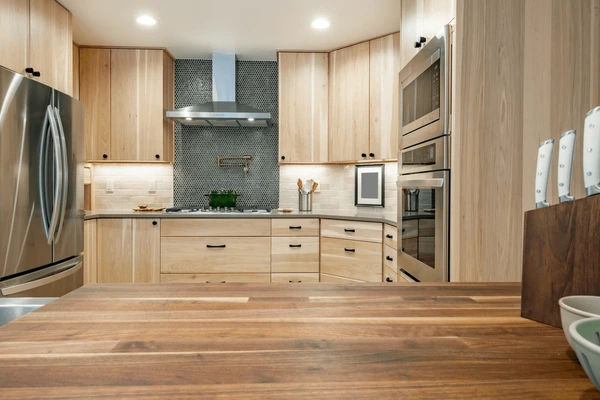
Butcher block has remained a popular choice for good reason. It offers a unique combination of aesthetics, functionality, and value that is hard to beat.
- Unmatched Warmth and Beauty: The primary draw for most people is the look. Wood adds a soft, inviting element to a kitchen, making the space feel more welcoming. With a variety of wood species available—like maple, oak, walnut, and cherry—you can choose a color and grain pattern that perfectly complements your design.
- Budget-Friendly: Compared to high-end materials like granite, marble, or quartz, butcher block is often a more affordable option. This can free up your budget for other elements of your kitchen remodel, making it a practical choice for those seeking high style on a limited budget.
- Durable and Forgiving: While it may seem counterintuitive, wood is a very durable work surface. It’s also “softer” than stone, meaning it’s kinder to your knives if you choose to chop directly on it. Furthermore, it won’t chip or crack as easily as tile or stone if you accidentally drop a heavy pot.
- Repairable and Long-Lasting: This is perhaps butcher block’s greatest advantage. Unlike a deep scratch in laminate or a chip in granite, most damage to a wood countertop can be repaired. Nicks, scratches, and even minor stains can be sanded out, and the surface can be re-oiled or resealed to look brand new. With proper care, a butcher-block countertop can last for decades.
The Disadvantages of Butcher Block
While the benefits are compelling, butcher block demands a level of care that other materials do not. Understanding these potential drawbacks is crucial before you commit.
- Requires Regular Maintenance: This is not a “set-it-and-forget-it” countertop. To keep it protected and looking its best, butcher block needs to be regularly sealed. Food-grade mineral oil should be applied every few months to prevent the wood from drying out and cracking. If you opt for a more permanent varnish or polyurethane finish, it may eventually need to be sanded and reapplied.
- Susceptible to Water Damage: Wood and water are natural enemies. Spills and standing water must be wiped up immediately. If water is left to sit, it can seep into the wood, causing dark stains, warping, or even rot over time. Extra care and a high-quality seal are essential around sink areas.
- Prone to Scratches and Dents: The same softness that makes butcher block kind to knives also makes it susceptible to damage. Dropping a heavy can or dragging a sharp object across the surface can easily leave a dent or scratch. While these can often be sanded out, homeowners who want a perpetually pristine surface may find this frustrating.
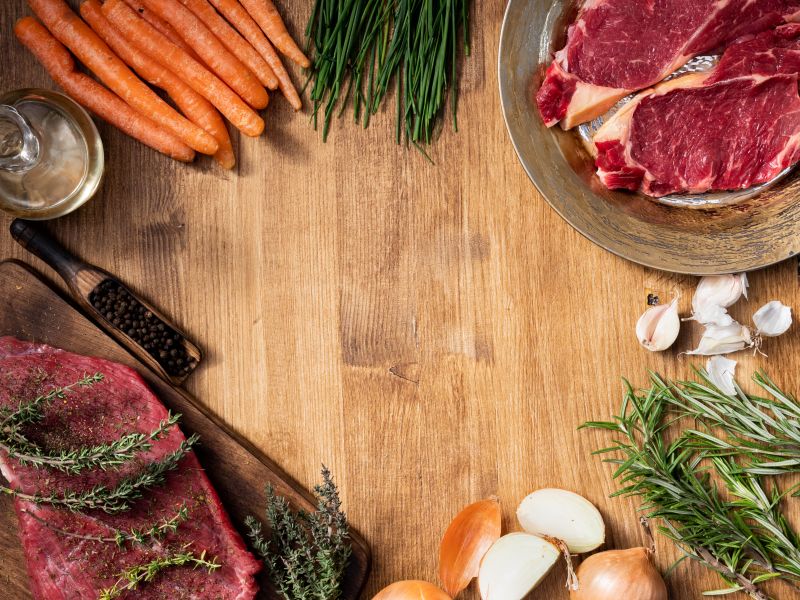
- Sanitation Concerns: Because wood is porous, it can potentially harbor bacteria if not properly sealed and maintained. Regular cleaning is a must, and special care should be taken after handling raw meat. A properly sealed and oiled surface is much less porous and easier to keep sanitary, but it requires diligence from the homeowner.
Is Butcher Block Right for Your Kitchen?
Ultimately, the decision comes down to your lifestyle and priorities. Butcher-block countertops are an excellent choice for homeowners who love the natural aesthetic, appreciate a surface that develops character over time, and are willing to commit to a simple but consistent maintenance routine.
However, if you are looking for a zero-maintenance surface that will resist all stains, scratches, and water without a second thought, you may be better served by materials like quartz or sealed granite.
By understanding both its incredible strengths and its demanding weaknesses, you can make an informed decision that will bring warmth and timeless style to your kitchen for years to come.