A Complete Guide to Home Generator Costs
5 min read
814 words
The flicker of lights, the sudden silence as the hum of appliances dies down—a power outage is a modern inconvenience that can quickly escalate into a major problem. From spoiled food and a lack of heating or cooling to the inability to work from home, being without power is more than just a nuisance. For many homeowners, the ultimate solution and peace of mind comes in the form of a home generator.
But what does that peace of mind actually cost?
A home generator is a significant investment, and the sticker price on the unit is only the beginning of the story. To make an informed decision, you need to understand the total cost of ownership, which includes the initial purchase, installation, and the ongoing expenses required to keep it ready for the moment you need it most. Let’s break it down.
The Upfront Investment: Purchase and Installation
This is the largest one-time expense and varies dramatically based on the type and size of the generator you choose. There are two main categories to consider.
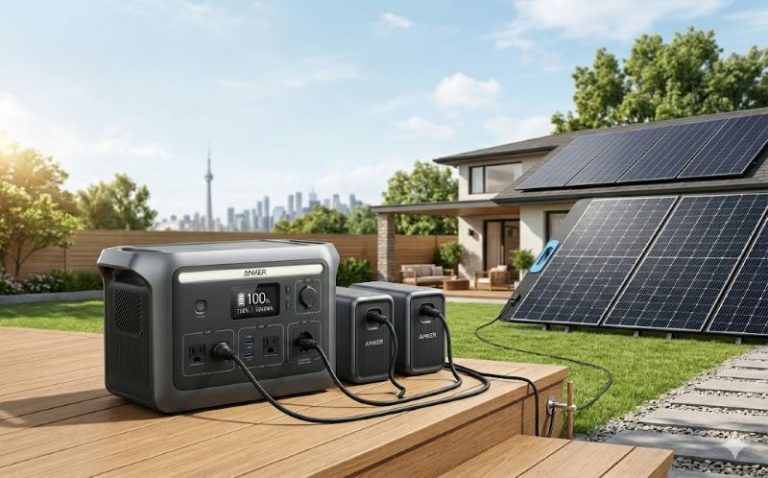
1. Portable Generators A portable generator is a versatile, less expensive option designed to power a few essential items.
- Unit Cost: $500 – $2,500
- What it Powers: Typically, a refrigerator, a few lights, a computer, and a small window AC unit. You’ll run extension cords directly from the generator to your chosen appliances.
- Installation: For safe and convenient use, you’ll want a licensed electrician to install a manual transfer switch. This switch connects the generator to your home’s circuit panel and prevents dangerous “backfeeding” into the utility lines.
- Transfer Switch Installation Cost: $600 – $1,500
Total Upfront Cost for a Portable Setup: $1,100 – $4,000
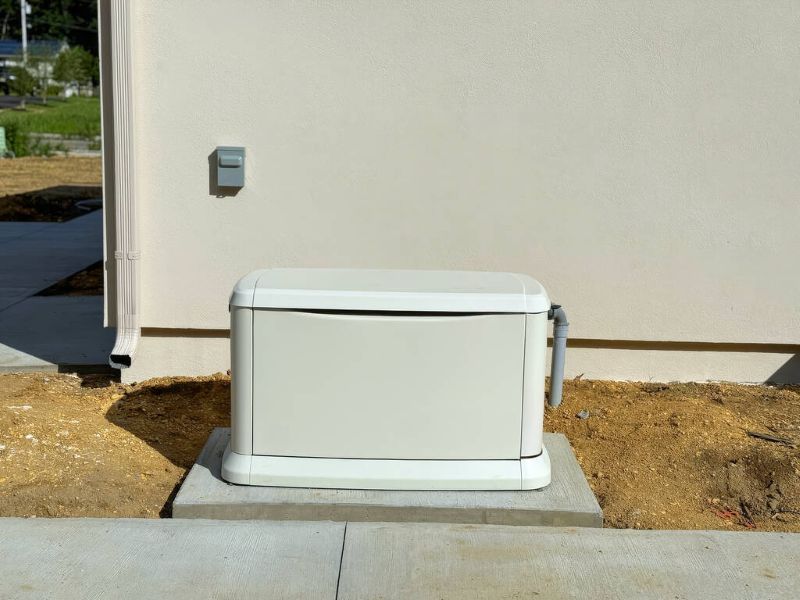
2. Standby (Whole-Home) Generators A standby generator is a permanent installation that automatically kicks on the moment the power goes out, providing seamless electricity to your entire home.
- Unit Cost: $5,000 – $20,000+, depending on the size (kilowatts) needed for your home.
- What it Powers: Everything—from your HVAC system and water heater to all your lights and electronics.
- Installation: This is a professional job that is far more involved than a portable setup. The cost includes:
- An automatic transfer switch that senses the power outage and starts the generator.
- A concrete pad for the generator to sit on.
- Extensive electrical wiring.
- Connection to your home’s fuel source (natural gas or a large propane tank).
- Permits and inspections.
- Professional Installation Cost: $3,000 – $10,000+
Total Upfront Cost for a Standby System: $8,000 – $30,000+
Fueling the Power: Ongoing Operational Costs
Once your generator is installed, you have to account for the cost of the fuel it consumes. The amount and type of fuel will be your primary operational expense during an outage.
- Gasoline (for Portables): Readily available but has a short shelf life (about 3-6 months without a stabilizer). During a widespread, prolonged outage, it can also become scarce.
- Propane (for Portables and Standby): Has a very long shelf life and is stored in tanks. Standby generators often require a large, dedicated tank (100-500 gallons) to be installed on your property. A 20kW standby generator might use 2-3 gallons of propane per hour under a 50% load.
- Natural Gas (for Standby): The most convenient option. It taps directly into your home’s utility line, providing a virtually unlimited fuel supply. It’s also typically the most cost-effective fuel per hour of use.
The cost here is unpredictable—you only use fuel during an outage. However, it’s crucial to factor in the potential cost of running your generator for several hours or even days at a time.
Keeping it Ready: Maintenance and Repair Costs
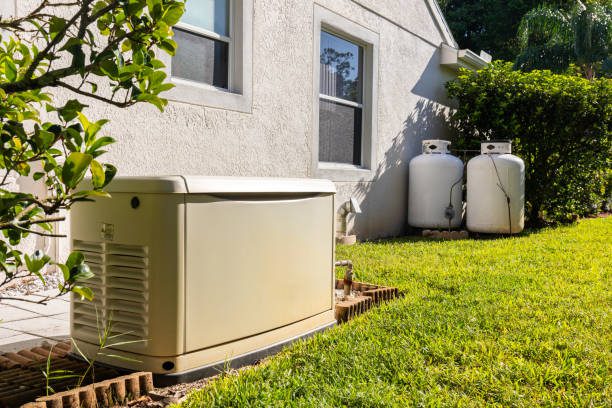
A generator is like a car—you can’t just install it and forget about it. Regular maintenance is essential to ensure it starts when you need it most.
- Routine Maintenance: This includes oil changes, air and oil filter replacements, spark plug checks, and battery inspections. Standby generators will also run a low-power self-test weekly or bi-weekly.
- DIY vs. Professional Service: For portable generators, many homeowners can perform basic maintenance themselves for around $50 – $150 per year in supplies.
- Annual Service Plans: For standby generators, most owners opt for a professional service plan. These plans typically include one or two visits per year from a certified technician who performs a comprehensive inspection and tune-up. Expect to pay $200 – $500 per year for a service contract.
- Unexpected Repairs: As the unit ages, parts can fail. It’s wise to budget for potential repairs, just as you would with any major home appliance.
The Real Cost of Reliability
Owning a home generator is an investment in security, comfort, and preparedness. While the initial price tag—especially for a standby system—can be substantial, it’s crucial to look at the complete picture. By understanding the costs of the unit, installation, fuel, and long-term maintenance, you can accurately budget for this powerful home upgrade and decide if the peace of mind it provides is the right investment for you and your family.