Why You Must Calibrate Your Oven Temperature
4 min read
753 words
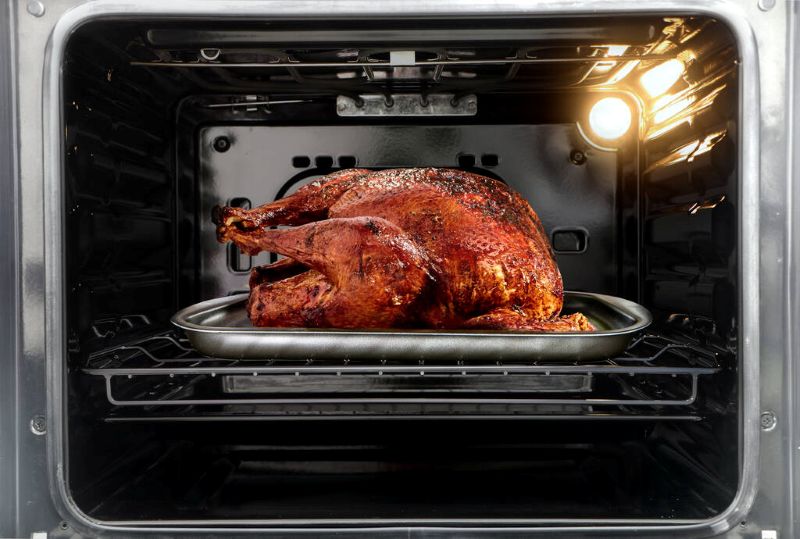
The centerpiece of many festive meals is a magnificent, golden-brown turkey, promising a juicy, flavorful feast. Yet, many home cooks face a familiar disappointment: a bird that is either dangerously undercooked or tragically dry. The culprit is often not the recipe or the chef, but a silent saboteur in the kitchen—an inaccurate oven. Before you even begin to prep your turkey, taking one simple, crucial step can mean the difference between culinary triumph and disaster. Calibrating your oven is essential to ensure it heats to the precise temperature required for food safety and perfect results.
The reality is that most residential ovens do not perform as advertised. Straight from the factory or after years of use, an oven’s thermostat can be off by as much as 50° F in either direction. When a recipe calls for roasting at 325° F, your oven could be struggling at a lukewarm 275° F or scorching at a blistering 375° F. This discrepancy is the root cause of countless cooking failures. An oven that runs too cool will fail to bring the turkey to the federally recommended safe internal temperature of 165° F in a timely manner, creating a breeding ground for harmful bacteria. Conversely, an oven that runs too hot will aggressively cook the exterior, burning the skin and drying out the delicate breast meat long before the thickest part of the thigh is cooked through.
A Simple Guide to Checking Your Oven’s Accuracy
Calibrating your oven begins with a simple diagnostic test. You cannot fix a problem until you know it exists, and for this, you need a reliable, independent tool. The temperature displayed on your oven’s screen or dial is only what you are asking it to do, not what it is actually achieving.
To get an accurate reading, follow these steps:
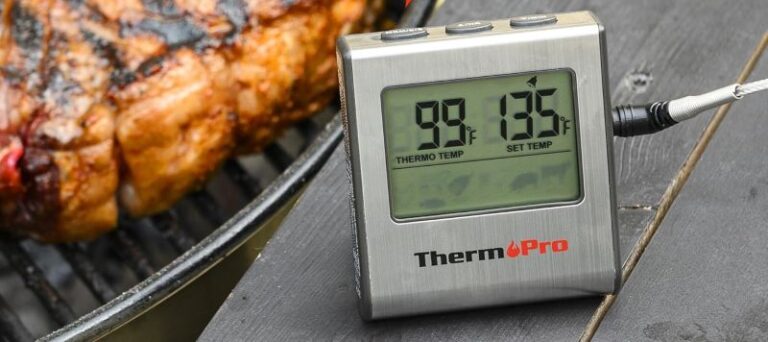
- Acquire an Oven Thermometer: Purchase an inexpensive, good-quality oven thermometer. These are designed to hang from a rack or stand on their own and provide a true reading of the ambient temperature inside the oven cavity.
- Position the Thermometer: Place the thermometer in the center of the middle oven rack. This location gives the most representative reading of the oven’s average temperature, avoiding hot spots near the heating elements or cool spots near the door.
- Preheat and Wait: Set your oven to 350° F. Allow it to fully preheat. Crucially, do not rely on the preheat notification bell or light. Ovens cycle their heating elements on and off to maintain temperature, so you must wait at least 20-30 minutes after it claims to be preheated to let the internal temperature stabilize.
- Check the Temperature: Without opening the door, which releases heat and skews the result, peer through the oven window to read the thermometer. Note the temperature it displays. Is it 350° F? Or is it 325° F, or perhaps 380° F? The difference between the set temperature and the actual temperature is the discrepancy you need to correct.
Making the Adjustment for a Perfect Turkey
Once you have identified the temperature variance, you can take action to correct it. There are two primary methods for calibrating your oven, depending on its age and model.
For Older or Analog Ovens (Manual Adjustment): If your oven has a physical dial, the easiest method is to simply compensate manually. If you discovered your oven runs 25° F hot, then when a recipe calls for 350° F, you will set the dial to 325° F. If it runs 20° F cool, you will set the dial to 370° F. While this requires you to remember the offset each time you cook, it is a perfectly effective solution.
For Modern Digital Ovens (Built-in Calibration): Most modern ovens with digital displays have a built-in calibration feature. This allows you to permanently adjust the thermostat’s baseline, so the temperature you set is the temperature you get. The exact process varies by manufacturer, so your first step should be to consult your oven’s user manual. Typically, the process involves a key combination, such as holding down the “Bake” button for several seconds, to enter an adjustment mode. From there, you can use the arrow keys to adjust the temperature offset (e.g., +25° F or -15° F). After saving the change, your oven will automatically apply this correction every time you use it.
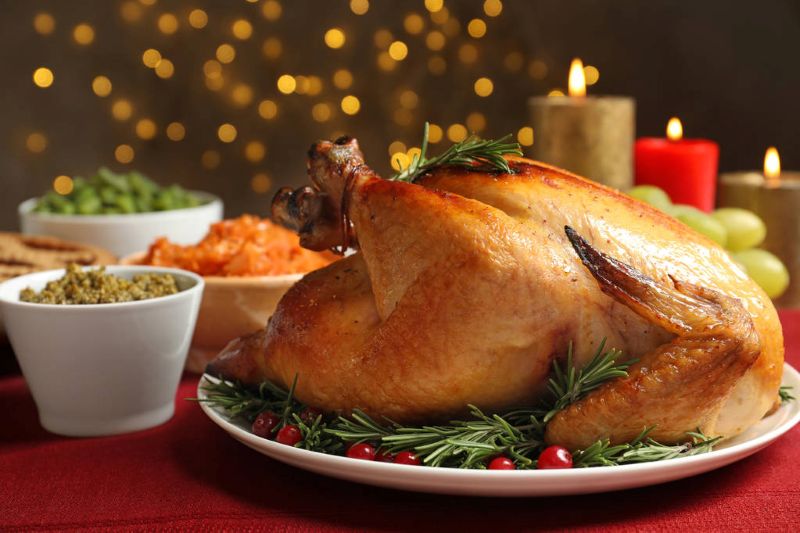
By taking a few minutes to test and calibrate your oven, you regain control over the cooking process, ensuring your turkey roasts at the exact temperature needed for a perfectly browned, crispy skin and a moist, tender interior that is, most importantly, completely safe to eat.