Five Steps to Help Prep Your Yard for Winter
3 min read
576 words
As the seasons change and fall gives way to winter, it’s crucial to properly prepare your yard for the cold months ahead. Neglecting yard maintenance can lead to costly repairs, aesthetic issues, and even safety hazards when spring arrives. In this post, we’ll explore the five essential steps to ensure your outdoor space is ready for winter’s chill.
Clean Up Fall Debris
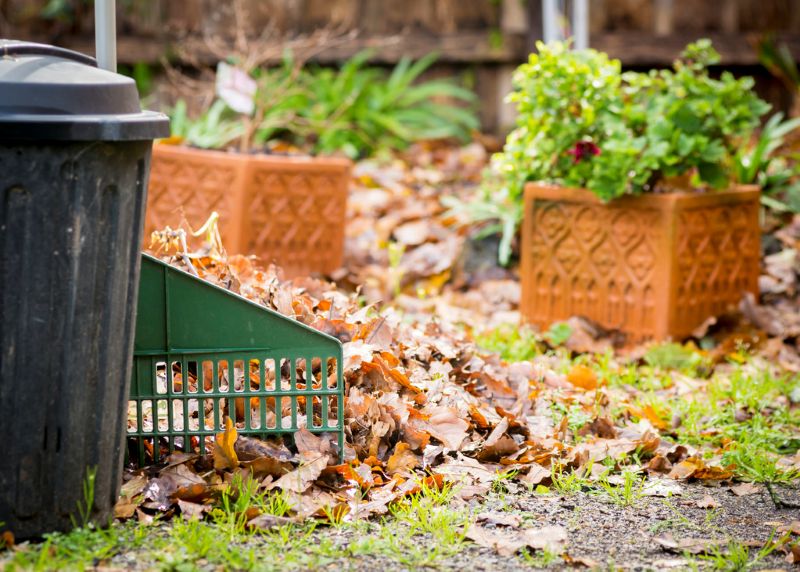
The first order of business is to clean up any fallen leaves, branches, and other debris that may have accumulated during the autumn months. Rake or use a leaf blower to gather these materials and dispose of them in your compost pile or yard waste bin. Don’t leave piles of leaves on the lawn, as they can mat and kill grass over time.
Additionally, inspect your yard for any dead or damaged plants, trees, or shrubs. Remove these to prevent the spread of disease and to reduce the risk of branches snapping under snow and ice. Consider hiring a professional arborist if you’re unsure about safely removing larger trees or branches.
Aerate and Overseed the Lawn
Aerating your lawn in the fall helps improve drainage, reduces soil compaction, and promotes healthy growth. Rent an aerator or hire a lawn care service to punch small holes throughout your grass. This allows air, water, and nutrients to reach the roots more effectively.
While you have the lawn bare, it’s an excellent opportunity to overseed any thin or bare spots. Choose a mix of grass species suitable for your climate and soil type. Apply the seed evenly and rake it into the soil. Keep the lawn moist during the germination period, usually 7-14 days.
Mulch and Divide Perennials
As the growing season winds down, mulch around your perennials to protect the roots from freezing temperatures. Add a 2-3 inch layer of organic mulch like wood chips, bark, or straw around the base of each plant. Keep the mulch a few inches away from the plant stem to prevent rot.
Fall is also an ideal time to divide and transplant perennials before they go dormant. Dig up clumps of overgrown plants like hostas, daylilies, or coneflowers, and separate the roots. Replant the divisions in well-draining soil, water thoroughly, and add a layer of mulch.
Drain and Insulate Hoses and Faucets
Freezing temperatures can burst hoses and cause damage to outdoor faucets. To prevent this, drain and disconnect all hoses from faucets and store them in a protected area like a garage or shed. If you live in an area with particularly harsh winters, consider installing freeze-proof faucets or frost-proof spigots.
Before the first frost, turn off the shut-off valves for any outdoor faucets and drain the lines by opening the faucets slightly. You can also use foam faucet covers to insulate the exposed parts of the faucet during the coldest months.
Put Away Outdoor Furniture and Decor
Finally, take down and store any outdoor furniture, decorations, and accessories to protect them from harsh weather conditions. Clean and dry items thoroughly before putting them away in a shed, garage, or covered storage area. Don’t forget to secure any loose or lightweight items like planters, bird feeders, or wind chimes, as strong winds can easily topple them.
Take the time to properly prep your yard for winter, and you’ll enjoy a healthier, more beautiful landscape when the seasons change again. By following these five essential steps, you’ll be well on your way to a worry-free outdoor space all year round.