
Luxury Meets Practicality: How to Build a Home That Lasts
6 min read
1026 words
Most of us have some idea of what our dream home looks like. For some people, it may be a modern house with clean lines, smart technology, and plenty of natural light. For others, it might be a comfortable family home with a welcoming kitchen, a beautiful backyard, and plenty of room to relax.
Whatever your vision looks like, turning it into a real home takes more than choosing beautiful finishes. You need to think carefully about the location, budget, layout, materials, and the people who will help bring your plans together.
A well-planned home can also become a valuable long-term investment and potentially increase the value of your property. The key is finding the right balance between what you want today and what will continue to work for you in the years ahead.
Here are some important steps to consider when turning your dream home into a reality.
Work With the Right Professionals
Even if you have a very clear vision, building or extensively renovating a home is not something most people can do alone. Architects, designers, contractors, and other professionals can help turn your ideas into practical plans while identifying potential problems before construction begins.
Take time to research the professionals you are considering. Look at their previous projects, read reviews, ask questions, and make sure they understand the style and functionality you want.
Communication is particularly important when you’re investing in luxury custom homes. A custom home gives you more freedom to personalize everything from the floor plan and materials to lighting, storage, technology, and architectural details. An experienced builder can help you understand which ideas are practical and where your budget may be better spent.
Clearly Define Your Vision
Before making dozens of decisions, take a step back and think about how you actually want to live in your new home.
Do you love entertaining and need a spacious kitchen and open living area? Would you rather have quiet rooms where you can read or relax? Do you work from home and need a dedicated office? Perhaps accessibility, energy efficiency, outdoor living, or smart-home technology is particularly important to you.
Creating a mood board can be a fun way to organize your ideas. Save photographs, colours, flooring, kitchens, bathrooms, furniture, lighting, and architectural details that appeal to you.
It is also helpful to separate your must-haves from your nice-to-haves. This can make decisions much easier when you eventually need to make compromises.
Choose the Right Location
You can change many things about a house, but you cannot change its location.
Before purchasing land or a property, consider what everyday life will look like there. How close will you be to schools, shopping, healthcare, parks, restaurants, public transportation, and other services you use regularly?
Think about your future needs as well. A location that works perfectly today may not be as convenient several years from now.
It is also worth researching the surrounding neighbourhood and potential development plans. New roads, commercial development, transit changes, or other major projects can affect both your lifestyle and the future value of your property.
In many cases, location can be more important than having the largest possible house. A thoughtfully designed home in a desirable neighbourhood may be a better long-term investment than a much larger property in an area that does not suit your needs.
Create a Realistic Budget
A dream home still needs a realistic financial plan.
Construction costs are only one part of the overall expense. Depending on your project, you may also need to account for land, architectural and design fees, permits, site preparation, utilities, landscaping, appliances, fixtures, taxes, and other expenses.
This is where working with experienced professionals can be especially helpful. They can help you understand where your money is going and identify potential costs that may not be obvious at the beginning of a project.
It is also important to leave room in your budget for unexpected expenses. Construction projects can encounter delays, material price changes, weather-related problems, or unexpected issues with the property. Having a contingency fund can make those surprises much easier to manage.
Think About How the Home Will Age With You
A dream home should not only look beautiful on moving day. Ideally, it should continue to work well as your life changes.
Consider how your household might change over the next five, ten, or even twenty years. Flexible rooms, generous storage, durable materials, good lighting, and an adaptable floor plan can make a home easier to live in for years.
Features such as wider doorways, fewer unnecessary stairs, accessible bathrooms, and thoughtful lighting can also make a home more comfortable as mobility needs change.
This kind of forward thinking does not mean sacrificing style. In many cases, practical design choices can make a home feel more comfortable and functional from the very beginning.
Choose Quality Where It Matters
It can be tempting to focus on appearance when designing a dream home, but the things you do not immediately notice can be just as important.
Quality insulation, windows, roofing, plumbing, electrical work, heating and cooling systems, and other structural components can have a major impact on comfort, maintenance, and long-term costs.
That does not mean every feature needs to be the most expensive option available. Instead, think about where quality will make the biggest difference to your everyday life.
A beautiful kitchen may catch your attention immediately, but good insulation or an efficient heating system can make a difference every single day.
Enjoy the Process
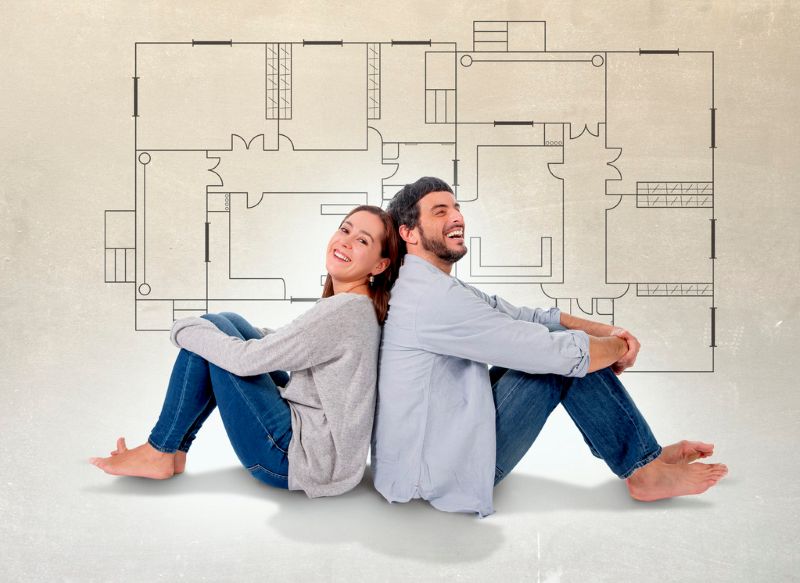
Building a dream home can be exciting, but it can also be stressful. There will likely be decisions to make, unexpected expenses to deal with, and moments when the finished home seems very far away.
Try to keep the bigger picture in mind.
The goal is not simply to create a beautiful house. It is to create a home that feels comfortable, functional, personal, and suited to the way you and your family actually live.
With careful planning, a realistic budget, the right professionals, and a clear understanding of your priorities, you can turn your dream home from an idea into a place you will enjoy for many years to come.