Designing Environments That Inspire Comfort and Connection
3 min read
501 words
Have you ever walked into a space and immediately felt at ease? There’s something transformative about environments that balance beauty, function, and human connection. Whether in homes, workplaces, or community spaces, the design of your surroundings profoundly affects how you feel, interact, and thrive. Thoughtful environments can spark creativity, foster relationships, and cultivate a sense of belonging.
The Psychology of Comfort and Connection
Humans are deeply influenced by the spaces they inhabit. Colours, lighting, textures, and layout all play a role in shaping mood and behavior. Warm, natural tones can soothe the mind, while well-placed lighting enhances energy and focus. Spaces designed to encourage movement and interaction, like open seating areas or inviting communal corners, create natural opportunities for connection.
Creating comfort goes beyond aesthetics. Comfort involves accessibility, safety, and intuitive design. When people can move easily, find what they need, and feel safe in a space, they are more likely to relax, engage, and connect with others.
Practical Design Tips for Inspiring Spaces
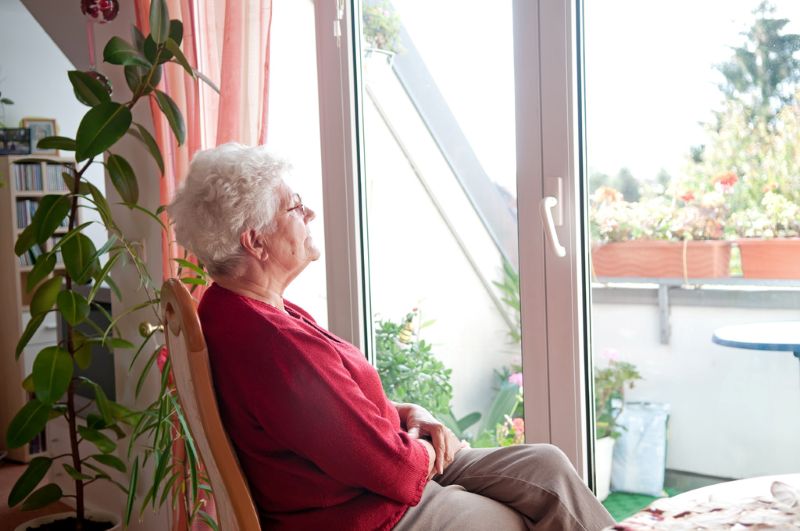
- Incorporate Nature: Plants, natural light, and views of the outdoors have been shown to reduce stress and increase happiness. Even small touches, like a well-positioned indoor plant or a window seat, can make a significant difference.
- Flexible Layouts: Arrange furniture to allow for both privacy and communal interaction. Movable seating, cozy nooks, and group areas help people adapt the space to their needs.
- Sensory Details Matter: Textures, scents, and gentle background sounds can enrich an environment. Think soft rugs, natural fabrics, calming scents, and ambient music to create a welcoming atmosphere.
- Personalization: Allow individuals to bring elements of their personality into the space with photos, artwork, or personal objects, so the environment feels more familiar and meaningful.
Inspiring Examples

In healthcare and community settings, these principles make a profound difference. For instance, a dementia care home can transform daily life by designing spaces that encourage movement, interaction, and comfort. Bright, familiar colors, clear pathways, and communal activity areas not only support well being but also foster a sense of connection and purpose. Residents feel safer, more engaged, and more included in daily life.
Beyond healthcare, many offices, cafes, and co working spaces are now applying similar ideas. Collaborative zones, quiet corners, and green spaces provide employees and visitors alike with environments that inspire creativity and meaningful interactions.
The Ripple Effect of Thoughtful Design
When people feel comfortable and connected, their relationships, productivity, and overall well-being improve. Thoughtful design doesn’t just enhance aesthetics, it influences behaviour, fosters empathy, and builds stronger communities. A well-designed environment can encourage conversation, spark collaboration, and create moments of joy and reflection.
Takeaway

Designing environments that inspire comfort and connection requires intention, creativity, and empathy. By considering the physical, emotional, and social needs of those who inhabit a space, we can create surroundings that nurture well-being, strengthen relationships, and inspire action. Whether it’s a home, workplace, or care facility, a thoughtfully designed environment is a powerful tool to enhance life—one detail, one corner, one interaction at a time.