
Morning vs night: When to apply your serums and creams
4 min read
645 words
We all know that a good skincare routine is essential for keeping your skin healthy and glowing, but do you know that the time of day you apply your serums and creams can make a significant difference? The truth is that your skin’s needs vary depending on whether it’s morning or night. Morning skincare focuses on protecting your skin from environmental stressors, while nighttime skincare prioritizes repair and hydration. Here’s what you need to know.
The purpose of the morning skincare routine
The morning routine is about protecting your skin as you step outside. After a night of rest, it’s essential to prepare your skin for the likes of UV radiation and pollution. In the morning, you want to focus on products that set a barrier between your skin and these harmful elements.
Antioxidants like vitamin C are key in your morning routine. They help neutralize free radicals—unstable molecules that damage skin cells and accelerate ageing. Using a vitamin C serum before your moisturizer can enhance your skin’s defense against oxidative stress caused by sun exposure and pollution.
A good sunscreen is also a must, as it protects the skin from harmful UV rays, which can cause premature ageing and pigmentation. Together, these products create a protective shield, setting your skin up for the day ahead.
The role of nighttime skincare

Nighttime skincare is all about recovery and regeneration. While you sleep, your skin enters repair mode, making it the perfect time to treat concerns such as fine lines, pigmentation, or dryness. The skin’s barrier is more permeable at night, which means it can absorb ingredients more effectively. This is why your evening routine should focus on hydration and repair. Key ingredients like retinol, peptides, and exfoliating acids are most effective at night.
Hydrating creams, often thicker and more nourishing than daytime moisturizers, help lock in moisture overnight, so your skin wakes up feeling fresh and renewed. Using these treatment serums and richer creams overnight helps your skin restore its natural glow and smoothness by morning.
How and when to apply serums and creams
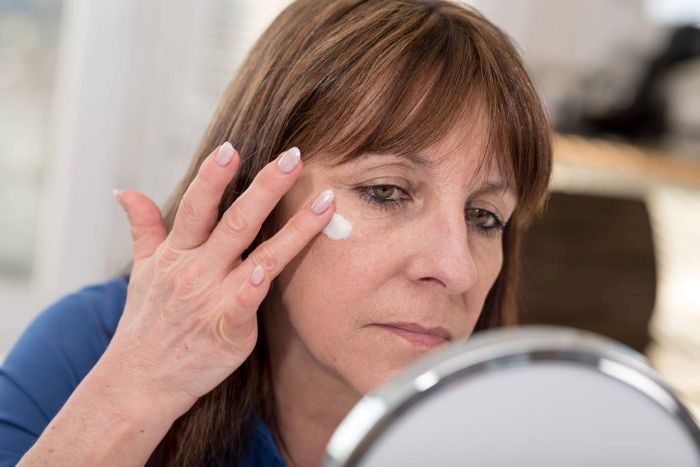
The order in which you apply your skincare products can impact how well they work.
Serums are typically lighter in texture and formulated to penetrate the skin more deeply, which is why they should always be applied before creams. They typically contain active ingredients designed to target specific concerns, like pigmentation or dehydration, so applying them first ensures they’re absorbed efficiently. After, you can layer on your moisturizer to lock in the benefits of the serum and provide hydration.
Timing is also crucial. Applying your moisturizer to damp skin after washing your face helps seal in the moisture, preventing water loss and ensuring that your skin stays hydrated throughout the day or night. If you apply your creams too late in your routine, you risk not getting the full benefit of their hydrating and protective qualities.
Anti-aging skincare in morning vs night
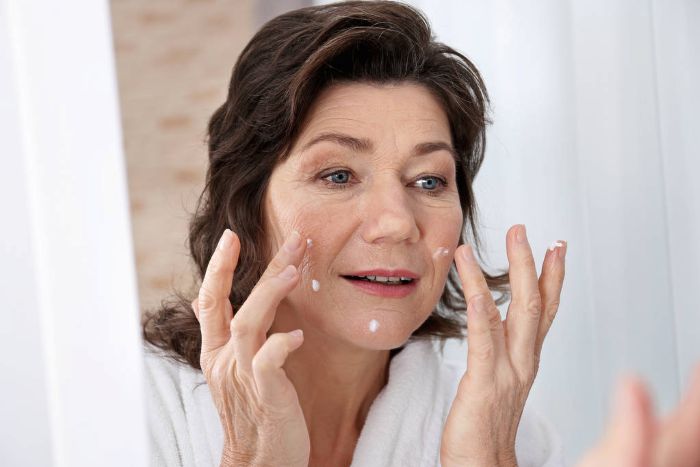
Anti-aging skincare is something many of us embrace in our routines. However, it involves knowing which ingredients are more effective at different times of day for the best results.
Retinol is one of the most well-known anti-ageing ingredients, as it promotes cell turnover and helps diminish fine lines and wrinkles. However, retinol can increase your skin’s sensitivity to the sun, so it’s best applied at night. You should never use it in the morning without applying sunscreen, as this can lead to irritation and sun damage.
On the other hand, antioxidants like vitamin C serums are perfect for your morning routine. These ingredients protect your skin from oxidative stress caused by environmental pollutants and UV rays. Vitamin C helps brighten your complexion and prevent pigmentation, making it a must-have for daytime skincare.
With the right products, applied at the right time, you’ll be well on your way to healthier, glowing skin.