Why Do Certain Intersections See More Traffic Issues?
4 min read
707 words
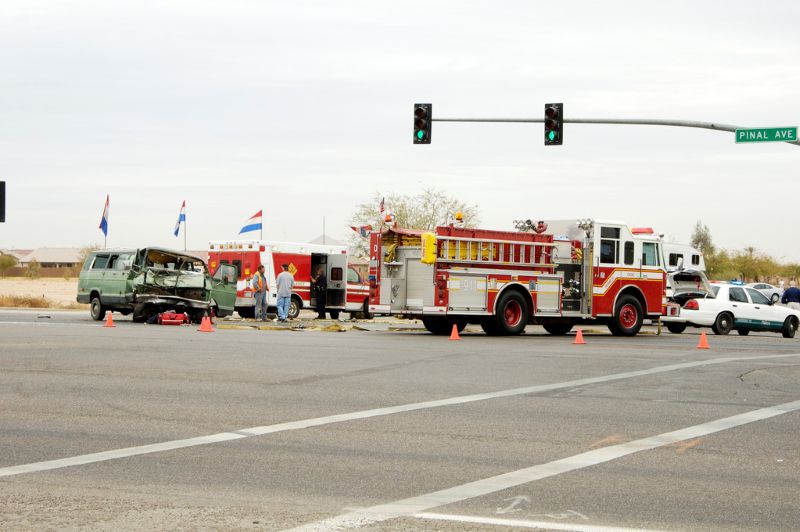
Intersections are vital in how daily traffic flows in your city or town. A bottleneck at a big intersection can cause frustration to all who go there, from drivers to cyclists. The first signs of trouble are noticed in certain spots where conditions lead to heavy crashes in no time. Knowing the real reasons behind the congestion and delays can be used to make daily commuting more efficient and safer. This article addresses these concerns and gives an idea of how to fix these bad intersections by making them safer.
Poor Road Design and Layout
When intersections are designed incorrectly, the traffic issue gets worse quickly. You can have uncomfortable confusion if there are poor lane markings or oddly placed traffic lights. Lack of lanes forces dangerous turns, and even narrow roads meeting the wider ones result in a mess. Some lanes suddenly end, creating slowdowns and confusion on an already busy road. The layout, like this, makes the drivers unable to navigate the intersection easily by causing constant slowdowns and heightened risk of accidents. Members of the community might notice the impact of certain intersections that could be the reason for the traffic issue every day.
High Volume of Vehicles
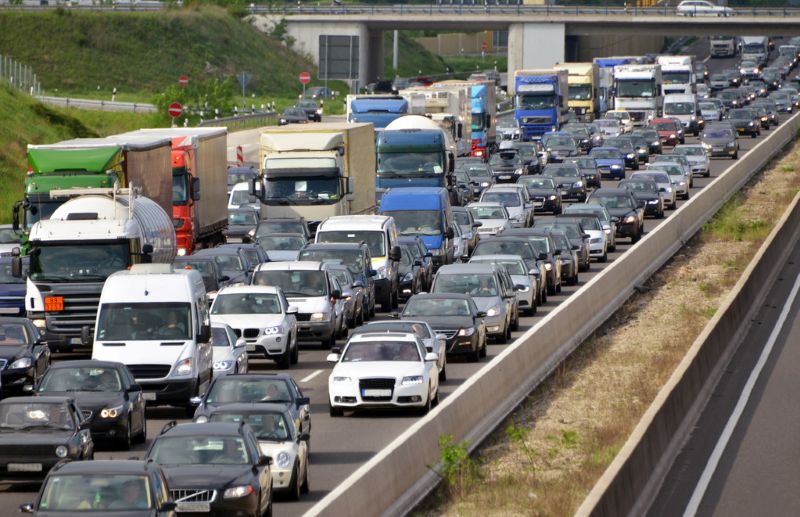
Some intersections face high congestion because of an increased number of cars, especially during busy hours. There are more vehicles on the road during office hours and school hours, hence hampering the momentum of the streets throughout the week. In some intersections, trucks, SUVs, and trailers take up more space, thereby slowing things down. Weekend crowds flood popular routes and make intersections suffer more frequent standstills than during the week. You might have noticed that the backups and aggressive movements come with overwhelming intersections.
Driver Behavior and Mistakes
Driver behaviors are of great importance in designing intersections that are either smooth or cause issues. You can see how people are speeding on the yellow lights, changing lanes aggressively, or how people use phones at the crossroads. Inability to give in and impatience can make a situation worse and result in unnecessary stress and close calls. It is your responsibility to slow down and drive safely while reaching intersections and hence keep the traffic flow and the streets safer. Knowing these behavioral impacts can help to develop better driving habits that could benefit you and others.
Lack of Proper Safety Measures.
The location of some of the crossroads is not properly safe. There are not sufficient pedestrian crossings in those areas, plus, there are no traffic lights, which complicates the ability of people to cross safely. Dark crossings on the streets at night will be blind spots to drivers and pedestrians. Absence of traffic cameras also results in reduced regulation of unfortunate behavior. You can make sure that your everyday travel is much safer if you have working signals, good lighting, and law enforcement. Strong town planning and better urban design can improve safety in these important city infrastructures.
Patterns Seen Through Local Records
The analysis of local records can provide valuable insight into traffic behavior. You can easily get Georgia accident reports where you can come across frequent accidents at certain intersections in the cities. There are specific times of the day when accidents have been reported to take place, which are either in the morning or the late evening. The bad weather can predispose these spots to danger. Repeated minor collisions also reflect larger design or behavior problems that are otherwise unrecognized or unreported. Discovering these patterns can inspire institutions to take proper action, install the necessary measures, and alter the design of the city, resulting in safer driving on the road.
Conclusion
If you know all the things that lead to intersection traffic, then you have solutions to fix the problem. Simple adjustments can help make a road better, and it is much safer. To reduce the risks, all drivers ought to be patient and drive defensively. The population and the authorities must collaborate to address the issues in the infrastructure and enhance the future development prospects. If you combine efforts, your community can come up with smoother and more friendly intersections. As you need to move forward, you need to prioritize daily little solutions over long-lasting solutions that can enhance safety and confidence.