Light Filtering vs. Blackout Shades: A Comparison
6 min read
1054 words
Choosing the right window treatments is actually a more important purchasing decision than you first imagine it to be. In fairness, a simplistic view would be that all roller shades and blinds are designed to do a specific job and all you have to think about is your choice of fabric, colors, and hardware. The smart approach to choosing means thinking a little bit more deeply about what you need to give you just the right amount of shade and natural light for your own personal home and how your property is designed and positioned.
In reality, the reason you need to think a bit more carefully about your choice is that the type of shades you choose impacts everything from how much sleep you get to how inviting your living room feels during the day.
With that in mind, two of the most popular options, namely light filtering shades and blackout shades, definitely sit on opposite ends of the spectrum. Sure enough, both serve a purpose, but they do it in very different ways. If you find yourself torn between the two, here’s a clear breakdown of how they compare.
What to expect from light filtering shades
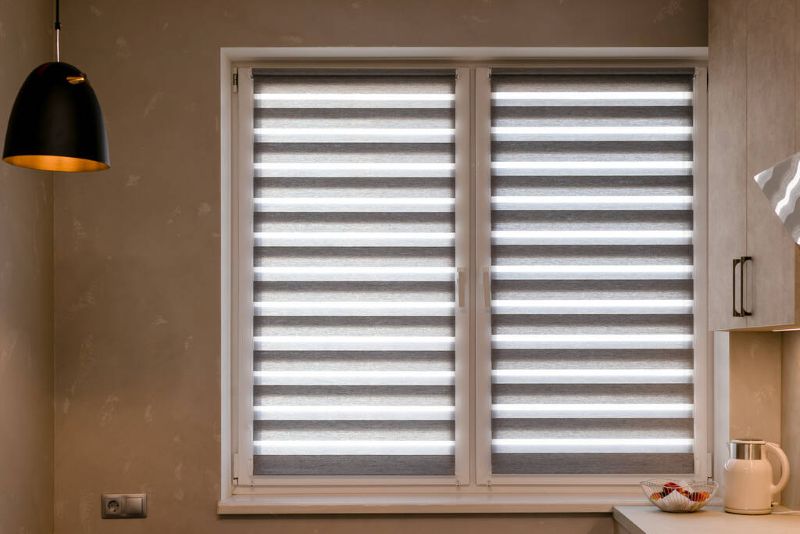
Generally speaking, light filtering shades are all about balance. They soften sunlight without shutting it out completely. This helps create a warm, comfortable glow inside your room.
If you can imagine sitting in your living room on a sunny afternoon with the shades drawn, but the space still feels bright and airy, that’s what light filtering shades are designed to do best.
Ultimately, they are meant to let natural light in while cutting down on glare and harsh rays. For anyone who values a connection to the outdoors and doesn’t want to live in total darkness, light filtering shades are going to hit the mark.
Blackout shades do what they say on the tin
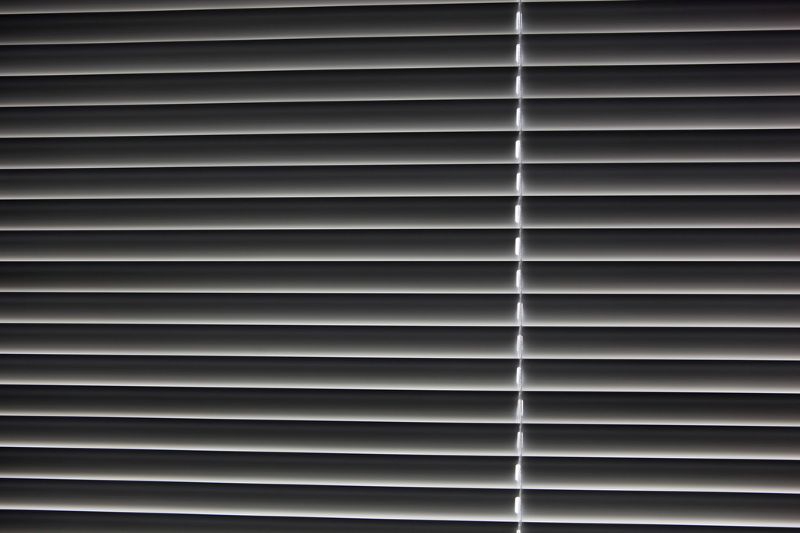
Blackout shades, on the other hand, live up to their name. Basically, when you pull them down, they block out nearly all outside light.
For comparison, movie theaters use the same concept, allowing you to enjoy almost complete darkness and focus on the action on the screen.
It is this concept that means bedrooms are the most common place for blackout shades. This is because they help create an environment that supports deeper, more restful sleep. People who work night shifts or live in brightly lit city areas love them because they eliminate the constant glow from streetlamps and passing cars.
Achieving a level of privacy
The difference in privacy is also worth considering. Light filtering shades provide daytime privacy by making it hard for people outside to see in while still allowing you to enjoy natural light.
When night comes though, things shift. If your lights are on, outsiders may still see shapes or shadows through the fabric. Blackout shades close that gap. Once they’re down, there’s no peeking in from outside, day or night.
That level of privacy is another great reason why these shades are a big draw for bedrooms and bathrooms.
Ticking the right energy-efficiency boxes
Energy efficiency is another area where the two options show their strengths. Light filtering shades help regulate indoor temperature by reducing glare and filtering sunlight. This helps keep spaces cooler during hot summer days.
Remember, they don’t block out heat completely, but they reduce the intensity of the sun’s rays enough to make a noticeable difference.
In comparison, blackout shades take this a step further. They seal out light, and also insulate against heat and cold more effectively. That means in the summer, less heat gets in, and in the winter, less warmth escapes.
Over time, that can lead to savings on your energy bills.
A style perspective
In fairness, style plays just as big a role as functionality when making your buying decision.
Light filtering shades are often chosen for living spaces, kitchens, or offices because they create a softer, more welcoming atmosphere. They come in a variety of fabrics and textures that can complement almost any interior decor. That means they work regardless of whether you go minimalist modern or cozy traditional.
Blackout shades tend to lean more toward function than ambiance. That doesn’t mean they can’t be stylish, as they also come in plenty of colors and finishes. However, their primary job is performance, not mood-setting. If you want to showcase your windows while still getting reliable light control, you might find yourself pairing blackout shades with curtains or decorative drapes to achieve both function and flair.
A shade solution that fits your lifestyle
Your daily lifestyle is also another big factor to consider. If you love natural light and don’t want to feel like you’re living in a cave, light filtering shades may be your best bet.
This option allows you to enjoy the rhythm of daylight without exposing you to harsh glare or sacrificing too much privacy. They’re perfect for spaces where you want to be active, social, or creative.
Blackout shades, in contrast, are ideal for rest and focus. If your top priority is sleep quality, a darkened nursery, or a distraction-free home theater, blackout shades deliver exactly what you need.
Cost comparisons
Price is also an influential factor. In this respect, the difference isn’t huge, but can still influence the choice. Light filtering shades generally cost less because they use lighter fabrics and less complex construction. Blackout shades, with their denser materials and extra layers, tend to be priced a little higher.
For many, the extra investment in blackout shades for the bedroom is worth every penny for the improved sleep quality, so price shouldn’t be the ultimate deciding factor if you can help it.
Ultimately, comparing light filtering and blackout shades isn’t about which is better overall, it’s more nuanced than that. For that reason, the best solution is often a mix of both. You might choose light filtering shades in common areas where you want to maintain a bright, welcoming atmosphere and blackout shades in the bedrooms where rest is the priority.
Finally, the good news is that both types come in a wide range of styles, colors, and price points, so it’s not hard to find options that fit your taste and budget.