
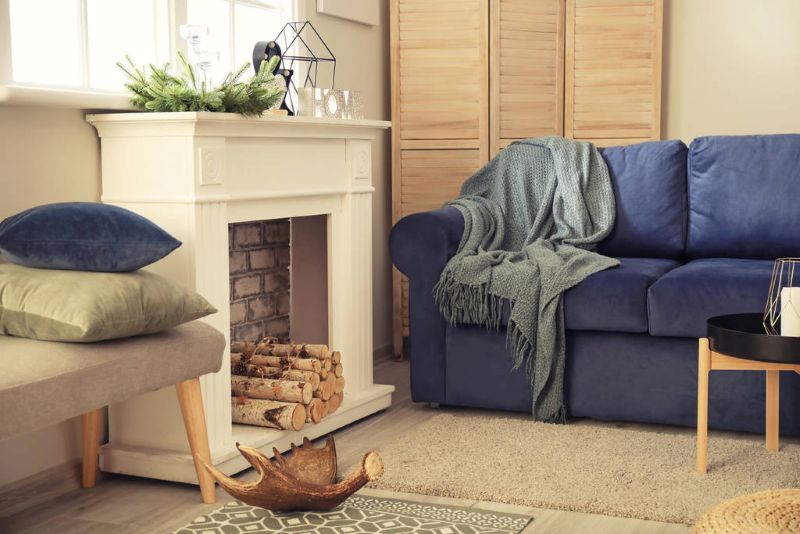
Tips On How to Prepare Your Home for Winter
4 min read
649 words
When the fresh air of fall starts to come in, it is a sign that the cold season is nearing. Preparing the home for the winter can still be a huge task for the majority of women who have to divide their time between work, family, and home. However, if you plan your work well, you can not only shelter your home from the cold but also keep your family comfortable and make energy savings without feeling overwhelmed by your to-do list.
Here’s a quick and easy guide to get your house ready for winter – because who has time for complicated stuff?
-
Seal Drafts and Insulate Smartly
During winter, cold air is able to invade your home through tiny spaces around the windows, doors, and outlets. If you seal these areas, it will be one of the best and cheapest ways to make your house ready for the cold season.
- Apply caulking or weather stripping to seal the spaces around windows and doors.
- Install door sweeps in order to prevent the flow of cold air through the gap beneath the outside door.
- Consider foam gaskets for outlets on exterior walls.
If your home still feels chilly despite these efforts, then checking your insulation may be the next step. For instance, the insulation in the attic and the basement can make a huge difference in keeping the heat in.
-
Check and Upgrade Your Windows
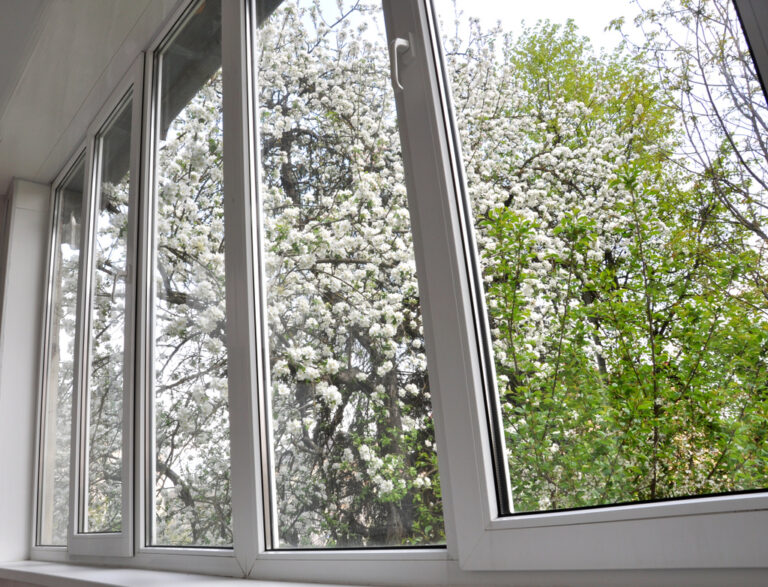
In winter, a great deal of heat is lost due to the old or broken windows. So if you have drafty windows, fogged, or old windows, now is the perfect time to replace them.
For Ontario homeowners, replacement windows in Hamilton are a smart investment before the cold sets in. The new windows promise energy efficiency, noise reduction, and security, besides providing a stylish look to your home.
-
Clean Your Gutters and Downspouts
Clogged gutters will cause ice dams, water leaks, and will give you trouble with the roof. Set aside time for a quick gutter cleaning:
- Remove leaves and debris.
- Water the gutters to make sure they are draining correctly.
- Inspect for any sections that might be loose or damaged.
If you do not have time, then it is better that you pay a professional to clean your gutters before the winter season. This is a good use of money, particularly if you live in an area that receives heavy snowfall.
-
Service Your Heating System
Don’t wait for a cold snap to find out your furnace isn’t working. Call for service to:
- Clean and inspect your furnace or HVAC system.
- Change your air filter.
- Ensure that your thermostat is working correctly.
A heating system that has been given proper maintenance will be able to keep your home warm more efficiently, in return saving you money.
-
Reverse Ceiling Fans
Did you know that the ceiling fans can be used in the cold winter months to circulate warm air that you can’t see? By changing the direction to clockwise and operating the fan at a low speed, warm air that has risen to the ceiling will be moved down to the floor, making rooms feel cozier without turning up the heat.
-
Stock Up on Winter Essentials
Make your home ready for a situation that you cannot foresee like a storm or a power outage by collecting the essentials:
- Lights, batteries, and candles
- Non-perishable food and bottled water
- Additional blankets and nice warm clothes
- A battery-powered phone charger
In case you have children, it would be wise to make sure that their winter coats, boots, and gloves are fitting them.
-
Don’t Forget the Little Comforts

Winter is more than just keeping the cold out – it’s about turning your place into a comfy escape. Imagine soft blankets, nice-smelling candles, and warm lights. And of course, yummy food! Just a few simple things can make your home super inviting for you and your family all winter.





Thanks so much for this! I’d like to throw in another detail that doesn’t get enough attention: putting carpets over underfloor heating reduces how much warmth you feel. Carpets block heat almost the same way insulation does, so instead of warming the room, the heat stays stuck under the rug. That’s why many people think the system isn’t working and dial the thermostat up. Best case, avoid rugs — or use a thin, low-pile one if you really want one.