Essential Guide to Lighting for Any Space
3 min read
518 words
Walk into any beautifully designed room and you’ll notice one thing right away. It’s not just the furniture or the paint color that sets the tone; it’s the lighting. The right lighting can make a small space feel larger, highlight your favorite décor, or instantly change the mood from lively to relaxing. On the other hand, poor lighting can leave even the most carefully styled room feeling flat or uncomfortable. That’s why understanding how to make lighting work for your space is essential if you want your home to look and feel its best.
Layer Your Lighting
The most effective lighting plans use three layers: ambient, task, and accent lighting.
- Ambient lighting provides overall illumination, often through ceiling fixtures, recessed lights, or large pendants.
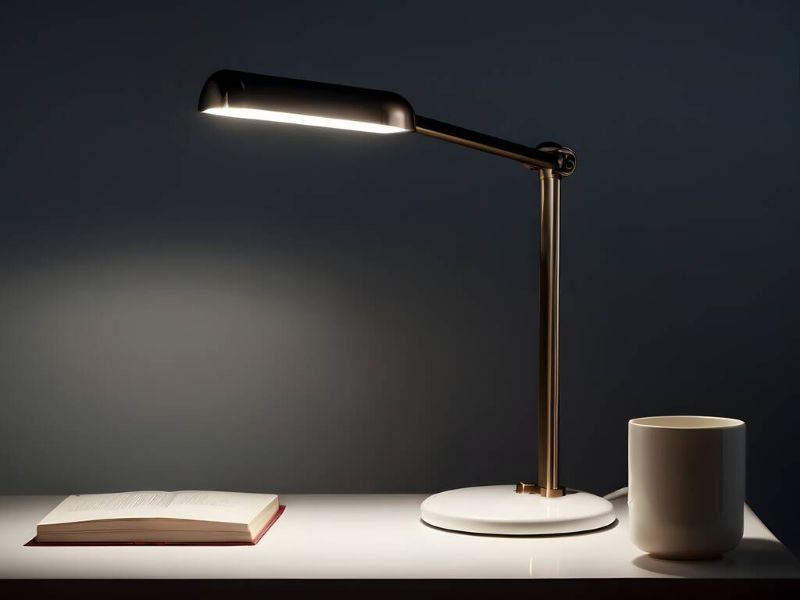
- Task lighting focuses on areas where you need concentrated light, such as a reading corner or a kitchen island.
- Accent lighting adds drama and highlights architectural features, art, or shelving.
When all three are thoughtfully combined, they create balance, flexibility, and depth.
Match Lighting to Room Function
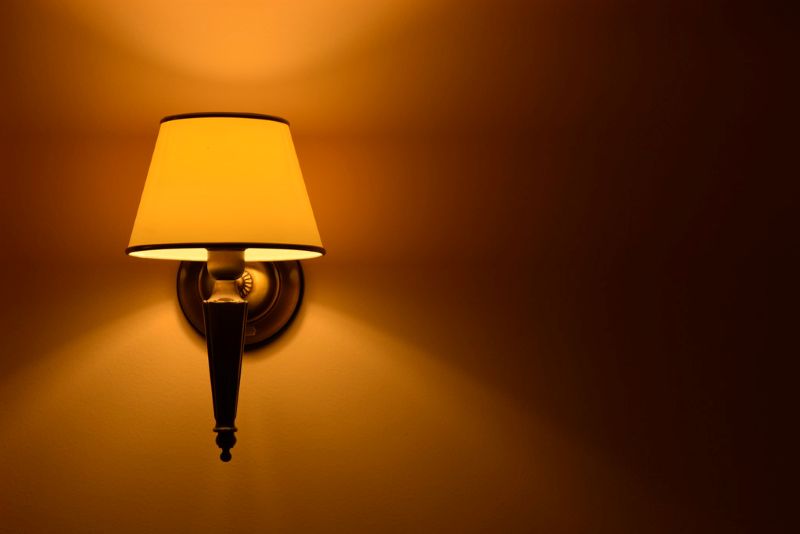
Each room has a purpose, and the lighting should reflect that. Kitchens require bright, focused task lighting, while bedrooms are better suited to soft, warm ambient light. Dining areas are perfect for fixtures that pull double duty by providing both function and style, such as multi light pendant lights from City Lights, which can evenly illuminate the table while serving as a striking design element.
Use Dimmers for Flexibility
Lighting doesn’t have to be static. Installing dimmer switches gives you the ability to control brightness depending on the occasion. You can keep things bright for a lively gathering, then turn the lights down for a cozy evening at home. This flexibility means you don’t have to rely on multiple fixtures to achieve different atmospheres.
Pay Attention to Scale
Scale is one of the most overlooked aspects of choosing lighting. A fixture that is too small can get lost, while one that is too large can overwhelm the space. A good rule of thumb is to measure your room and ensure the size of the light is proportionate to it. Properly scaled lighting not only provides the right amount of illumination but also enhances the visual harmony of your space.
Consider Color Temperature
Light isn’t just about brightness; it’s also about warmth. Warm tones (2700K to 3000K) create cozy, inviting spaces, making them ideal for living rooms and bedrooms. Cooler tones (4000K and up) provide clarity and focus, which is why they work well in offices, kitchens, and bathrooms. Matching color temperature to the function of the room makes a huge difference in how the space feels.
Use Lighting as a Design Feature
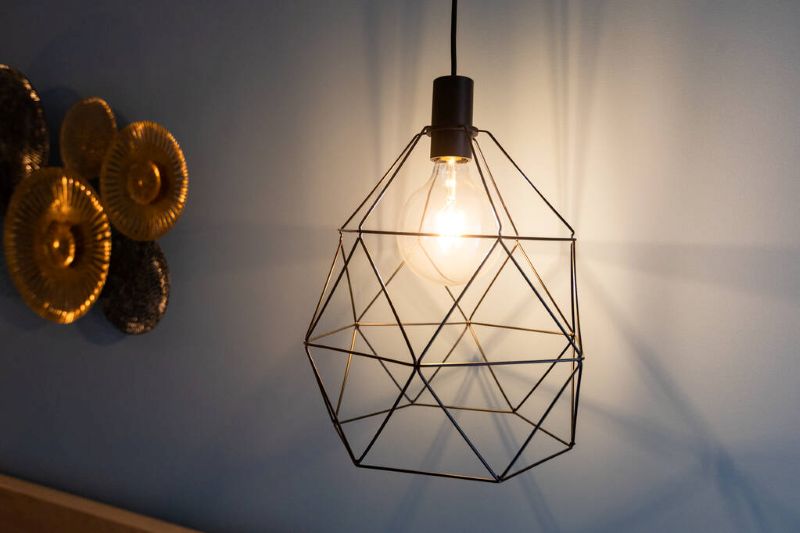
Beyond function, lighting is a powerful style statement. Whether it’s a sculptural floor lamp, a bold chandelier, or layered pendants, your lighting can serve as a focal point that ties the entire design together. Don’t be afraid to treat lighting as an extension of your décor. It is one of the easiest ways to bring both personality and practicality into a room.