Are You Suffering From Back Pain? Best Mattress
9 min read
1702 words
Back pain is a pervasive issue, affecting an estimated 80% of adults at some point in their lives. From a dull, persistent ache to a sudden, searing discomfort, its impact can be debilitating, hindering daily activities, productivity, and overall quality of life. While numerous factors contribute to back pain – including poor posture, injuries, underlying medical conditions, and lifestyle choices – one often overlooked culprit, or indeed, a powerful remedy, lies in the very place we spend a third of our lives: our bed. A supportive and comfortable mattress is not merely a luxury; it is a fundamental pillar of spinal health, playing a critical role in alleviating existing pain and preventing its onset.
This comprehensive guide delves into the intricate relationship between back pain and your sleeping environment, specifically focusing on how the right mattress can transform your nightly rest into a therapeutic experience, rather than a catalyst for discomfort.
Understanding Back Pain: The Silent Epidemic
Before exploring solutions, it’s essential to grasp the nature of back pain. It can manifest in various forms and intensities, often categorized as acute (short-term, lasting a few days to weeks) or chronic (persisting for three months or more). The spine is a complex structure of bones (vertebrae), discs, ligaments, and muscles. Any imbalance or damage within this intricate system can lead to pain.
Common causes include:
- Musculoskeletal Strain: Overuse, improper lifting, sudden awkward movements, or poor posture can strain muscles and ligaments.
- Disc Problems: Herniated or bulging discs can compress nerves, leading to pain radiating down the legs (sciatica).
- Arthritis: Degeneration of the spinal joints can cause stiffness and pain.
- Osteoporosis: Weak, brittle bones can lead to compression fractures.
- Lifestyle Factors: Obesity, sedentary living, smoking, and stress can all contribute to back pain.
The impact extends beyond physical discomfort. Chronic back pain can lead to sleep disturbances, anxiety, depression, reduced mobility, and significantly impair one’s ability to work or engage in social activities. Addressing the root causes is paramount, and for many, the quality of their sleep surface is a critical piece of the puzzle.
The Crucial Role of Sleep in Back Health
During the day, gravity and daily activities compress the spinal discs, which act as shock absorbers between the vertebrae. Nighttime is when these discs decompress and rehydrate, allowing the spine to recover and repair itself. However, if your mattress fails to provide adequate support, this vital recovery process is compromised.
A mattress that sags or is too soft can lead to improper spinal alignment, forcing your back into an unnatural position for hours on end. This sustained misalignment puts undue stress on ligaments, muscles, and discs, preventing proper healing and exacerbating pain. Conversely, a mattress that is too firm might create pressure points, particularly at the hips and shoulders, leading to discomfort and restless sleep. The goal is to find a mattress that maintains the natural curve of your spine, allowing muscles to relax and discs to decompress fully.
Choosing the Right Mattress for Back Pain Relief
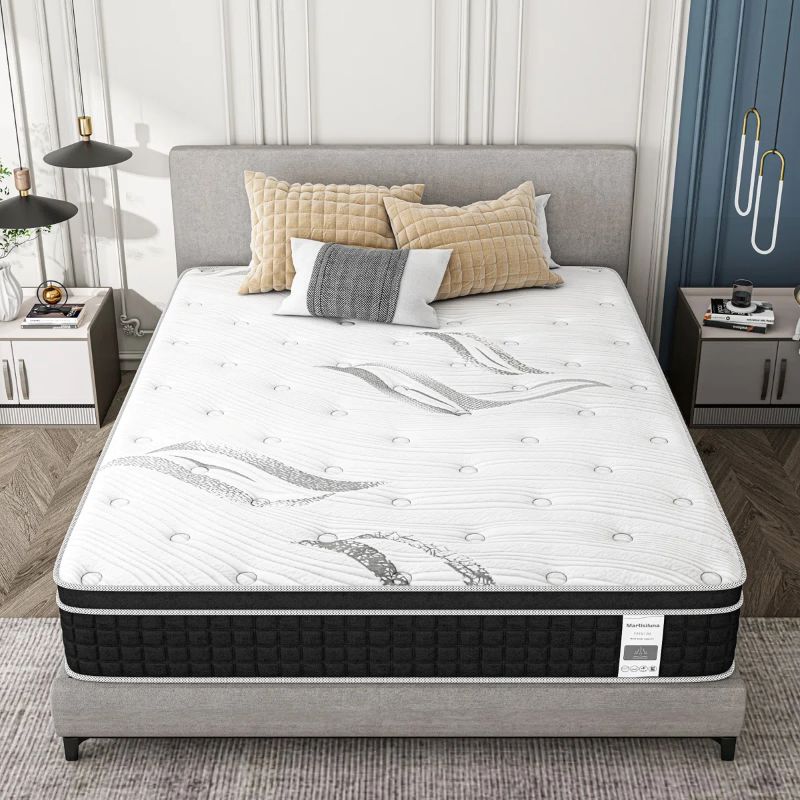
Navigating the vast market of mattresses can be overwhelming, but understanding the key factors can simplify your decision, especially when back pain is a concern. The notion that “firmer is always better” for back pain is a common misconception; the ideal mattress is one that offers a balance of support and comfort, specific to your body type and sleep position.
Key Factors to Consider:
- Support: This is paramount. A good mattress supports the natural S-curve of your spine when you lie down. It should prevent sagging while contouring to your body’s unique shape. When you lie on your back, there should be no gap between your lower back and the mattress. For side sleepers, the spine should remain straight from the neck to the tailbone.
- Comfort: While support is crucial, comfort ensures you can relax and stay asleep. A mattress that conforms to your body can distribute weight evenly, relieving pressure points that might otherwise cause pain, particularly at the hips, shoulders, and lower back.
- Material Type:
- Memory Foam: Known for its excellent contouring and pressure relief, memory foam molds to your body, distributing weight evenly. This can be highly beneficial for back pain sufferers as it cradles the spine and alleviates pressure points. However, some traditional memory foams can retain heat.
- Latex: A more resilient and often more breathable alternative to memory foam, latex offers a responsive bounce while still providing excellent contouring and support. It’s durable and resistant to dust mites, making it a good choice for allergy sufferers.
- Innerspring: Traditional innerspring mattresses offer a firmer feel and good bounce. The key here is the coil count and type; individually pocketed coils offer better conformity and motion isolation than older, continuous coil systems. They often pair well with a pillow top for added comfort.
- Hybrid: These mattresses combine the best of both worlds, typically featuring an innerspring coil system for support and bounce, topped with layers of memory foam or latex for comfort and pressure relief. They offer a balanced feel that suits many back pain sufferers.
- Firmness Level: This is highly individual.
- Medium-Firm: Often recommended by chiropractors and sleep experts, a medium-firm mattress provides a good balance of support and pressure relief for most sleepers.
- Side Sleepers: Typically need a softer mattress to allow their shoulders and hips to sink in, keeping the spine aligned.
- Back Sleepers: Benefit from a medium-firm to firm mattress that supports the natural curve of the lower back without creating pressure points.
- Stomach Sleepers: Require a firmer mattress to prevent the hips from sinking too low, which can strain the lower back. However, sleeping on your stomach is generally not recommended for those with back pain.
- Durability and Sag: Mattresses have a lifespan. Over time, even the best mattress will begin to sag, particularly in the middle. This sagging leads to inadequate support and can exacerbate back pain. Most quality mattresses last 7-10 years, but if you notice a permanent indentation or wake up with more pain than you went to bed with, it’s likely time for a replacement.
Always take advantage of trial periods offered by manufacturers. Lying on a mattress for a few minutes in a showroom isn’t enough; you need to sleep on it for several weeks to assess its true impact on your back pain.
Beyond the Mattress – Holistic Approaches to Back Pain Management
While a supportive mattress is a cornerstone of back pain relief, it’s crucial to understand that it is part of a larger, holistic approach. No single solution can fully address complex back pain. Integrating other healthy habits and seeking professional guidance can significantly amplify the benefits derived from your new sleep surface.
Other Crucial Factors:
- Sleep Posture: Even the best mattress can’t fully compensate for poor sleeping habits.
- Side Sleepers: Place a pillow between your knees to keep your hips, pelvis, and spine in alignment.
- Back Sleepers: A small pillow under your knees can help maintain the natural curve of your lower back.
- Stomach Sleepers: Try to avoid this position. If you must, place a flat pillow under your abdomen to minimize spinal strain.
- Pillow Choice: Your pillow is as important as your mattress for neck and upper back alignment. Choose a pillow that keeps your head and neck in a neutral position, aligning with the rest of your spine. Memory foam or latex contoured pillows are often excellent choices.
- Ergonomics: Your posture during the day significantly impacts your spine.
- Workplace: Ensure your desk, chair, and computer monitor are set up to support good posture. Your feet should be flat on the floor, and your monitor at eye level.
- Lifting: Always lift with your legs, not your back, and keep objects close to your body.
- Exercise and Stretching: Regular physical activity, particularly exercises that strengthen your core muscles (abdominal and back muscles), can provide crucial support for your spine. Gentle stretching can improve flexibility and reduce stiffness. Yoga and Pilates are excellent for building core strength and improving posture.
- Weight Management: Excess body weight, especially around the abdomen, puts additional strain on your lower back. Maintaining a healthy weight can significantly reduce back pain.
- Stress Reduction: Stress can cause muscle tension, particularly in the neck and back. Practices like mindfulness, meditation, or deep breathing can help alleviate tension and reduce pain perception.
- Professional Help: If your back pain is severe, persistent, or accompanied by numbness, weakness, or radiating pain, consult a healthcare professional. A doctor can diagnose underlying conditions, and a physical therapist or chiropractor can provide targeted treatments, exercises, and postural advice. They can also offer guidance on lifestyle modifications.
The Economic and Health Benefits of Investing in a Good Mattress
While a quality mattress can be a significant investment, viewing it as a long-term health investment rather than just an expense reveals its true value. The upfront cost can be offset by numerous benefits:
- Reduced Healthcare Costs: Less frequent doctor visits, fewer prescriptions for pain medication, and potentially avoiding more invasive treatments.
- Improved Productivity: Better sleep leads to increased energy, focus, and overall productivity at work and in daily tasks.
- Enhanced Quality of Life: Freedom from chronic pain improves mood, fosters better relationships, and allows you to enjoy activities you might have otherwise missed.
- Preventative Measure: A good mattress can prevent back pain from developing in the first place, saving you from future discomfort and medical expenses.
In essence, investing in a supportive mattress is an investment in your long-term health, well-being, and overall comfort.
Conclusion
Back pain is a complex issue, but the mattress you sleep on plays a surprisingly fundamental role in its management and prevention. By understanding the science behind spinal support and pressure relief, and by carefully considering factors like material, firmness, and your unique sleeping habits, you can make an informed decision that significantly impacts your comfort and health. Remember, however, that a mattress is just one piece of the puzzle. A holistic approach that includes proper posture, regular exercise, healthy lifestyle choices, and professional medical advice when needed, will provide the most comprehensive relief and ensure a healthier, pain-free back for years to come. Don’t underestimate the power of a good night’s sleep on the right surface – it could be the key to unlocking a life free from the grip of back pain.