The Retro Appeal of Leaf Tables: Buying Guide
10 min read
1938 words
In an age dominated by mass-produced furniture and fleeting trends, there’s a growing appreciation for pieces that tell a story, boast superior craftsmanship, and offer timeless functionality. Among these cherished items, the leaf table stands out as a true icon of adaptable design and enduring style. Far more than just a surface for dining, these expandable tables, with their ingenious mechanisms for adding or removing sections (or “leaves”), embody a unique blend of practicality, historical charm, and aesthetic versatility. Their retro appeal isn’t just a fleeting fad; it’s rooted in their smart engineering, the quality of their construction, and their uncanny ability to adapt to the realities of modern living while infusing spaces with warmth and character.
The Enduring Charm of Expandable Design
At the heart of a leaf table’s appeal lies its inherent adaptability. Designed to transform in size, these tables offer flexible solutions for homes where space is a premium or entertaining needs fluctuate. This clever design isn’t a modern invention; it’s a legacy built on centuries of practical ingenuity.
A Legacy of Practicality
The concept of an expandable table has roots tracing back hundreds of years, driven by the fundamental need to maximize space within a home. Early designs, such as the gateleg table, allowed large surfaces to fold down to a compact footprint, a revolutionary idea for smaller dwellings or for creating versatile rooms. As homes evolved, so did the mechanisms for expansion. From simple drop leaves that fold flush against the table’s frame, secured by hinges and supportive arms, to the more complex butterfly leaves that neatly fold and store themselves within the table’s apron, and the straightforward pull-out or removable central leaves, each variation offered a unique solution to the dilemma of accommodating varying numbers of guests or activities.
This historical practicality is precisely what makes retro leaf tables so relevant today. They seamlessly transition from a cozy breakfast nook table for two into a bustling family dining hub for six or more, all with minimal effort. This dual function caters perfectly to contemporary lifestyles, where open-plan living often demands multi-purpose furniture, and where hosting spontaneous gatherings is part of the joy of homeownership. The inherent design philosophy – that furniture should serve multiple roles – is a cornerstone of their lasting appeal.
Craftsmanship Meets Ingenuity
Beyond their clever functionality, retro leaf tables are often testaments to the skill and dedication of past generations of woodworkers. Unlike many contemporary pieces that prioritize speed and cost-efficiency in manufacturing, vintage leaf tables were typically built to last, employing traditional joinery techniques and high-quality materials.
The craftsmanship is evident in the smooth operation of their expansion mechanisms, the precision fit of the leaves, and the overall stability of the structure. Solid hardwoods like oak, walnut, teak, and mahogany were commonly used, often showcasing rich, natural grain patterns that age beautifully. Even veneered pieces from the mid-20th century often utilized thicker, more durable veneers over solid core materials, leading to furniture that could withstand decades of use. The meticulous attention to detail extends to the finishes, which were designed not just for aesthetics but also for protection, allowing these tables to develop a coveted patina over time. This blend of ingenious design and robust construction means that a retro leaf table isn’t just a piece of furniture; it’s an investment in a durable, functional heirloom that embodies a superior standard of artistry.
Aesthetic Echoes: Design and Style
The visual appeal of leaf tables is as varied as their functional mechanisms, spanning different eras and design philosophies. However, it’s their strong association with the mid-20th century that often comes to mind when we speak of their “retro appeal.”
Mid-Century Modern Marvels
The mid-20th century, particularly the 1950s and 60s, was a golden age for the leaf table. The burgeoning suburban lifestyle and the demand for functional yet stylish furniture led designers to embrace the expandable table concept with unprecedented enthusiasm. This era saw an explosion of iconic designs, characterized by clean lines, organic forms, and purposeful minimalism.
Designers like Hans J. Wegner, Arne Jacobsen, and Eero Saarinen, among many others, created expandable dining tables that perfectly encapsulated the Mid-Century Modern (MCM) aesthetic. Materials like warm teak, rich walnut, and elegant rosewood became synonymous with the era, often paired with sleek, tapered legs or sculptural bases. These tables seamlessly integrated into the contemporary homes of the time, which were increasingly open-plan and focused on efficiency and a connection to nature. An MCM leaf table often featured a smooth, unadorned surface, allowing the natural beauty of the wood and the purity of form to take center stage. Their ability to expand and contract made them ideal for the shifting social dynamics of the era, where informal gatherings were becoming more common, yet formal dining still held its place. Owning an MCM leaf table today is not just about acquiring furniture; it’s about bringing a piece of design history into your home.
Beyond Mid-Century: Varied Eras and Styles
While Mid-Century Modern often dominates the retro narrative, the leaf table’s journey extends far beyond this singular period, showcasing its remarkable adaptability to different design sensibilities. Earlier forms, such as the robust gateleg tables, often crafted from oak or pine, evoke a charming farmhouse or colonial aesthetic, reflecting a more rustic and informal practicality. These pieces, with their turned legs and exposed hinges, speak to a simpler time, yet their expandable nature remains timeless.
As decades progressed into the 1970s and 80s, the leaf table continued to evolve. We saw designs incorporating more angular, brutalist elements, often in darker woods or laminate finishes, reflecting the bolder, more experimental tastes of the time. Some featured more elaborate pedestals or distinct joinery that hinted at postmodern influences. The beauty of exploring retro leaf tables lies in this diversity. Whether you’re drawn to the elegant simplicity of Scandinavian modern, the robust charm of a rustic gateleg, or the distinctive statement of a 70s piece, there’s a leaf table out there that aligns with virtually any vintage-inspired decor scheme. This versatility ensures that a retro leaf table isn’t limited to a single aesthetic; it can serve as a captivating focal point in a variety of interior styles, from eclectic to minimalist.
Why Retro Leaf Tables Resonate Today
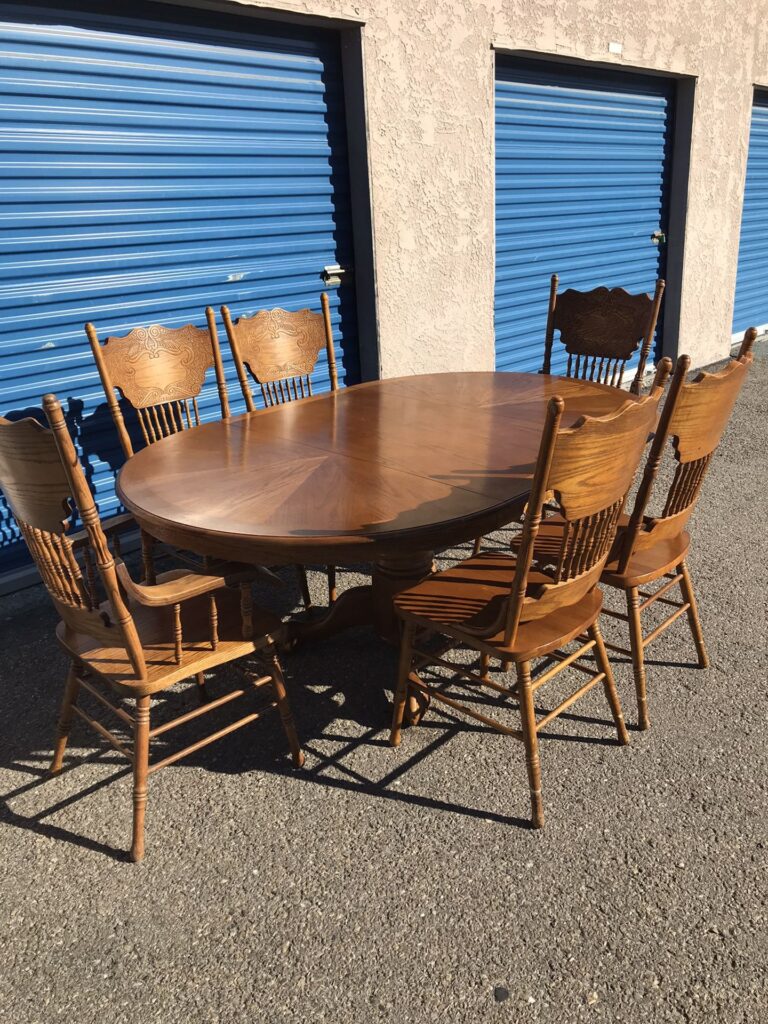
The enduring appeal of retro leaf tables isn’t merely about nostalgia; it’s deeply rooted in their practical advantages and ethical considerations that align perfectly with contemporary values.
Sustainability and Conscious Consumption
In an era increasingly defined by environmental awareness, choosing a retro leaf table is a profoundly sustainable decision. Opting for vintage furniture is a powerful way to participate in the circular economy, reducing demand for new manufacturing and diverting items from landfills. Each pre-loved table represents avoided carbon emissions from production, transportation, and waste disposal.
Beyond the environmental benefits, there’s an inherent value in conscious consumption. Vintage pieces, by their very nature, were built to last, often from higher-quality materials and with more durable construction methods than much of today’s disposable furniture. Investing in a retro leaf table means acquiring a piece that has already stood the test of time and is ready to endure many more years of use, making it an eco-friendly and economically wise choice. It allows consumers to make a statement about their values, prioritizing longevity and reduced environmental impact over fleeting trends.
Functionality in Modern Living
Despite their age, retro leaf tables are remarkably suited to the practical demands of modern living. Urbanization has led to smaller living spaces, where every square foot counts. An expandable leaf table is an ingenious solution for these environments, allowing a compact dining area to transform into a spacious setting for entertaining without requiring permanent space.
They are ideal for multi-functional rooms – a kitchen that doubles as a dining area, or a living room that occasionally hosts dinner parties. For growing families, a leaf table can adapt to changing needs, accommodating more children over the years or expanding for holiday gatherings. This inherent adaptability makes them one of the most practical and versatile pieces of furniture one can own, perfectly aligning with the contemporary need for furniture that works harder and smarter.
Adding Character and a Touch of Nostalgia
Perhaps the most intangible yet compelling draw of retro leaf tables is the character and history they bring to a space. Unlike mass-produced furniture that can feel generic, a vintage piece carries a unique story, a subtle patina, and an undeniable sense of individuality. Each scratch, fade, or subtle imperfection tells a tale of past lives and cherished moments, infusing a home with warmth and personality.
They evoke a sense of nostalgia, connecting us to a simpler time when craftsmanship was paramount and furniture was made to last generations. Owning a retro leaf table means having a statement piece that sparks conversation, offers a tangible connection to the past, and makes your home truly unique. It transforms a functional object into a beloved heirloom, imbuing your living space with a depth and richness that new furniture often struggles to achieve.
Sourcing and Caring for Your Retro Leaf Table
Embarking on the journey to find a retro leaf table is an exciting adventure, and with proper care, your chosen piece can continue to grace your home for decades to come.
Where to Find Them
The search for your perfect retro leaf table can take you to a variety of fascinating places. Antique shops and dedicated vintage furniture stores are excellent starting points, offering curated selections and often knowledgeable staff. Flea markets, estate sales, and charity shops can yield surprising finds, though they may require more diligent searching. Online platforms like Etsy, eBay, 1stDibs, and local classifieds (like Craigslist or Facebook Marketplace) also offer a vast array of options, connecting you directly with sellers.
When inspecting a potential purchase, pay close attention to the stability of the table and the smoothness of the leaf mechanism. Check for any deep gouges, significant water damage, or structural weaknesses. Ensure all leaves are present and fit snugly, and test the expansion mechanism multiple times. Don’t be afraid to ask questions about its history, materials, and any previous repairs.
Maintenance for Longevity
Once you bring your retro leaf table home, a little care will go a long way in preserving its beauty and functionality. For wooden tables, regular dusting with a soft, dry cloth is essential. Protect the surface from heat and moisture using placemats, coasters, and tablecloths. Spills should be wiped up immediately to prevent staining or warping.
Depending on the finish, periodic polishing with a good quality furniture wax or oil can help maintain the wood’s luster and prevent it from drying out. For minor scratches or scuffs, there are many wood repair kits available that can help blend imperfections. Pay attention to the leaf mechanism; if it feels stiff, a small amount of lubricant (like silicone spray, depending on the material) can often restore smooth operation. With a little consistent attention, your retro leaf table will remain a beautiful and functional centerpiece in your home for many years to come, continuing its legacy of style and practicality.
In conclusion, the retro appeal of leaf tables is a multifaceted phenomenon, blending historical ingenuity with timeless design and current-day sustainability. They are more than just furniture; they are adaptable solutions for modern living, tangible links to a past era of exceptional craftsmanship, and unique pieces that infuse a home with character and warmth. As we continue to seek out furniture that offers both beauty and utility, the expandable leaf table stands poised to remain a coveted item, proving that true style and smart design never truly go out of fashion.