How to Choose the Right Backpack For Your Kids: A Guide
10 min read
1849 words
The start of a new school year often brings with it the excitement of fresh stationery, new classes, and, for many children, a brand-new backpack. While the aesthetic appeal of a backpack might be the first thing to catch a child’s eye, for parents, the choice of this seemingly simple accessory carries significant weight—literally and figuratively. An improperly chosen or overloaded backpack can lead to a litany of health issues, including back pain, poor posture, neck strain, and even nerve damage, potentially affecting a child’s development and well-being for years to come.
In an age where children are carrying more books, laptops, and supplies than ever before, understanding the critical criteria for selecting the right backpack is no longer a matter of convenience but a vital aspect of preventive health. This comprehensive guide will delve into the essential aspects of backpack selection, focusing on dimensions, weight, and crucial features, ensuring your child can carry their academic load without compromising their physical health. By prioritizing ergonomics and proper fit, we can equip our children not just with school supplies, but with a foundation for a healthier future.
The Critical Dimensions: A Perfect Fit for Healthy Growth
The golden rule of backpack fitting revolves around three key dimensions: width, height, and bottom placement. These dimensions are not arbitrary; they are meticulously designed to ensure the backpack distributes weight effectively across the strongest parts of a child’s back, preventing undue strain on their developing spine and muscles. Overlooking any of these can lead to an uncomfortable fit and, more importantly, long-term musculoskeletal problems.
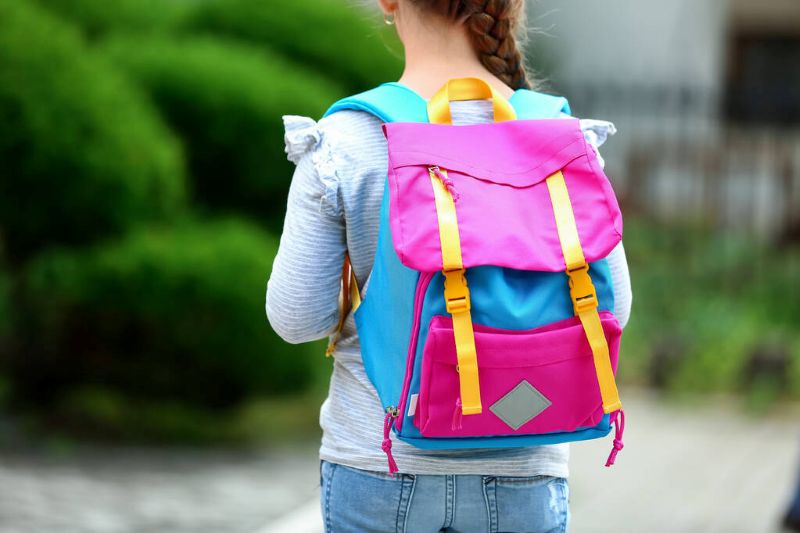
Width: No Wider Than Your Child’s Back The first crucial dimension to consider is the width of the backpack. A backpack should be no wider than your child’s back. Imagine a backpack that extends beyond the natural width of their shoulders. This creates a leverage effect, pulling the child’s posture out of alignment and forcing their shoulders and neck to compensate. A backpack that is too wide can also impede arm movement, making walking or navigating crowded hallways uncomfortable and awkward. To check this, stand your child naturally and measure the width of their back from shoulder blade to shoulder blade. The backpack’s main compartment width should fall within these boundaries. This ensures that the weight is centered and aligned with their core, promoting a natural and balanced gait.
Height: No Higher Than Shoulder Height Equally important is the height of the backpack. The top of the bag should be no higher than shoulder height. A backpack that extends too far above the shoulders forces the child to tilt their head forward or push their shoulders unnaturally backward to maintain balance, leading to neck and upper back strain. This high center of gravity can also make the child feel unstable and more prone to falls. When trying on a backpack, ensure the top edge of the main compartment aligns perfectly with or falls just below the top of your child’s shoulders. This allows for free head and neck movement, crucial for good posture and peripheral vision.
Bottom Placement: Just Above Your Child’s Bottom Finally, the optimal placement for the bottom of the bag is just above your child’s bottom. This specific positioning is critical because it ensures the bulk of the weight rests on the strong lumbar region of the back, rather than pulling down on the shoulders and upper spine. If the backpack hangs too low—below the waist or on the glutes—it creates excessive sway as the child walks, pulling them backward and forcing them to lean forward to counteract the weight. This constant forward flexion can lead to chronic lower back pain and a slouched posture. To check this, adjust the shoulder straps so that the bottom of the backpack comfortably clears the child’s tailbone, sitting snugly against the curve of their lower back. This precise fit ensures that the weight is supported by their pelvis and core, not just their delicate spinal column. By adhering to these three dimensional guidelines, parents can significantly reduce the risk of structural imbalances and foster a healthier back for their growing child.
The Weighty Issue: Ensuring a Light Load for Little Shoulders

Once the dimensions are perfect, the next, and arguably most critical, factor is the weight of the loaded backpack. Even the best-fitting backpack can become a health hazard if it’s too heavy. Children’s spines are still developing, making them particularly vulnerable to the cumulative stress of excessive weight. The long-term consequences of carrying an overly heavy load daily can range from acute discomfort to chronic conditions that may persist into adulthood.
The “No More Than 10-15% Rule” The general consensus among health professionals, including pediatricians and chiropractors, is that a child’s loaded backpack should not weigh more than 10-15% of their body weight. For example, a child weighing 60 pounds should carry no more than 6 to 9 pounds. Exceeding this limit places undue stress on ligaments, muscles, and vertebrae, leading to slouching, muscle fatigue, and changes in spinal curvature. Parents should regularly weigh their child’s packed backpack, especially at the beginning of the school year or after new textbooks are issued, to ensure it falls within this safe range. This might require creative solutions, such as encouraging the use of school lockers, digital textbooks, or splitting heavy loads between home and school.
Observing Your Child’s Posture and Movement Beyond a simple weight measurement, it’s imperative to observe how your child carries their bag. They should be able to stand up straight and walk naturally with their hands free on either side of their body. This visual assessment is a powerful indicator of whether the load is appropriate. If you notice any of the following signs, the backpack is likely too heavy or improperly fitted:
- Leaning Forward: Your child has to lean forward or arch their back to counter the weight, almost as if they’re falling backward.
- Struggling to Put On or Take Off: They struggle to lift the backpack onto their shoulders or need assistance.
- Rounded Shoulders or Slouching: Their shoulders are hunched forward, or their posture is noticeably slouched while wearing the bag.
- Complaints of Pain: They frequently complain of back, neck, or shoulder pain, numbness, or tingling in their arms or hands.
- Red Marks: There are red marks or indentations on their shoulders where the straps have dug in.
- Altered Gait: They walk with an unnatural shuffle, or their arms are not swinging freely.
- Difficulty Balancing: They seem unstable or might even stumble.
To mitigate the weight issue, teach your child how to pack their backpack strategically. Heaviest items should be placed closest to the back panel, centered in the main compartment to keep the weight near their spine. Encourage them to only carry what is necessary for the day, utilizing lockers or bringing home only what is absolutely essential for homework. Regular communication with teachers about textbook distribution and digital resources can also help lighten the load.
Beyond Size and Weight: Essential Features for Optimal Comfort and Safety
While dimensions and weight are paramount, a well-designed backpack incorporates several other features that contribute significantly to comfort, even weight distribution, and overall safety. These features might seem minor, but they collectively enhance the user experience and further protect your child’s developing body.
Padded, Adjustable Shoulder Straps: This is non-negotiable. Straps should be at least two inches wide, well-padded to prevent them from digging into the shoulders, and easily adjustable. Wide, padded straps help distribute the weight across a broader surface area, reducing pressure points. Adjustability ensures the backpack can be positioned correctly on the child’s back as they grow, accommodating for varying loads and outerwear. Both straps should always be used to ensure even weight distribution; slinging a backpack over one shoulder is a recipe for asymmetrical muscle development and spinal issues.
Padded and Ventilated Back Panel: A well-designed backpack should have a padded back panel. This padding acts as a cushion, preventing sharp objects inside the bag from poking your child’s back. More advanced designs include ventilation channels or mesh materials to reduce heat buildup and sweating, making the backpack more comfortable to wear for extended periods, especially in warmer climates. The padding also helps maintain the backpack’s shape, ensuring it sits flush against the back rather than bulging awkwardly.
Waist Belt or Hip Strap: While often overlooked for younger children, a waist belt (sometimes called a hip strap or sternum strap) is an invaluable feature, especially for heavier loads or longer walks. This strap, when properly fastened, transfers a significant portion of the backpack’s weight from the shoulders to the stronger hip and pelvic bones. This drastically reduces strain on the back and shoulders, promoting better posture and balance. For elementary school children, a simple chest strap (sternum strap) can help keep the shoulder straps from slipping and pull the load closer to the body, further improving stability.
Multiple Compartments for Organization: A backpack with several compartments and pockets isn’t just about tidiness; it’s about better weight distribution and balance. When items are organized in different pockets, they are less likely to shift during movement, which can throw off a child’s balance. It also makes it easier to place heavier items closest to the back and distribute lighter items throughout, making the overall load feel more manageable. Side pockets for water bottles are also practical, keeping liquids separate and preventing spills on books.
Durable Material and Quality Zippers: A backpack is an investment in your child’s health and organization. Look for durable, water-resistant materials like sturdy nylon or polyester that can withstand daily wear and tear and protect contents from the elements. High-quality zippers that operate smoothly are also crucial, preventing frustration and ensuring the bag’s longevity. Reinforced stitching at stress points (like where the straps attach to the bag) is another indicator of a well-made product.
Reflective Materials for Safety: For children who walk or bike to school, especially during early mornings or late afternoons, reflective strips or panels on the backpack can significantly enhance their visibility to drivers. This simple safety feature becomes increasingly important as daylight hours shorten in certain seasons.
By considering these additional features alongside the critical dimensions and weight guidelines, parents can select a backpack that offers not just style, but also optimal comfort, support, and safety, safeguarding their child’s physical well-being throughout their academic journey.
Navigating the world of school supplies can be overwhelming, but the choice of a backpack should never be taken lightly. By prioritizing the precise fit—no wider than their back, no higher than their shoulders, and with the bottom resting just above their bottom—and strictly adhering to the weight limit of 10-15% of their body weight, parents can prevent numerous potential health issues. Remember the visual cues: your child should stand straight and move naturally with their hands free. Coupled with features like padded straps, a supportive back panel, and a hip belt, the right backpack becomes a tool for healthy living, encouraging good posture and reducing the risk of pain and injury. Invest time in choosing wisely; it’s an investment in your child’s long-term health and comfort.