Artificial Fingernails – A Guide to Achieving Flawless Styles
10 min read
1950 words
In the dynamic world of beauty and personal expression, artificial fingernails have transcended their initial role as mere cosmetic enhancements to become a sophisticated art form. They offer an unparalleled avenue for individuals to transform their natural nails, achieving lengths, strengths, and intricate designs that would be impossible otherwise. From the subtle elegance of a perfectly manicured French tip to the bold statement of dazzling nail art, artificial nails provide a versatile canvas for self-expression, allowing wearers to achieve consistently flawless styles tailored to their unique aesthetic and lifestyle.
The evolution of artificial nail technology has brought forth a diverse array of options, each boasting distinct characteristics, application methods, and maintenance requirements. Understanding these differences is key to making informed choices that not only deliver the desired aesthetic but also ensure the health and integrity of the natural nails beneath. This comprehensive guide delves into the various types of artificial nails, their benefits, the application and maintenance processes, and crucial considerations for achieving and sustaining impeccable nail styles.
The Allure of Artificial Nails: Beyond Natural Limits
The decision to opt for artificial fingernails often stems from a desire to overcome the limitations of natural nails. Many individuals struggle with brittle, weak, or slow-growing nails, making it challenging to achieve their desired length or maintain a polished look. Artificial nails provide an immediate solution, offering instant length and remarkable durability. They serve as a protective layer, shielding natural nails from daily wear and tear that can lead to breakage and splitting.
Beyond structural advantages, artificial nails are celebrated for their aesthetic versatility. They provide a robust foundation for a myriad of artistic expressions, from simple solid colors and elegant French tips to complex gradients, intricate hand-painted designs, embedments, and three-dimensional embellishments. This transforms the nail into a miniature canvas, allowing technicians and wearers to unleash their creativity. For those seeking consistency, artificial nails maintain their shape and length, ensuring a perpetually groomed appearance, which is particularly beneficial for professionals or anyone who values a consistently polished look. Furthermore, for special occasions like weddings, proms, or photoshoots, artificial nails can provide that extra touch of glamour and sophistication, ensuring hands look picture-perfect.
Decoding the Types: A Comprehensive Guide to Artificial Nail Systems
The market for artificial nails offers several distinct systems, each with its own methodology, materials, and final effect. Choosing the right type depends on individual preferences, lifestyle, budget, and the desired outcome.
Acrylic Nails: The Enduring Classic
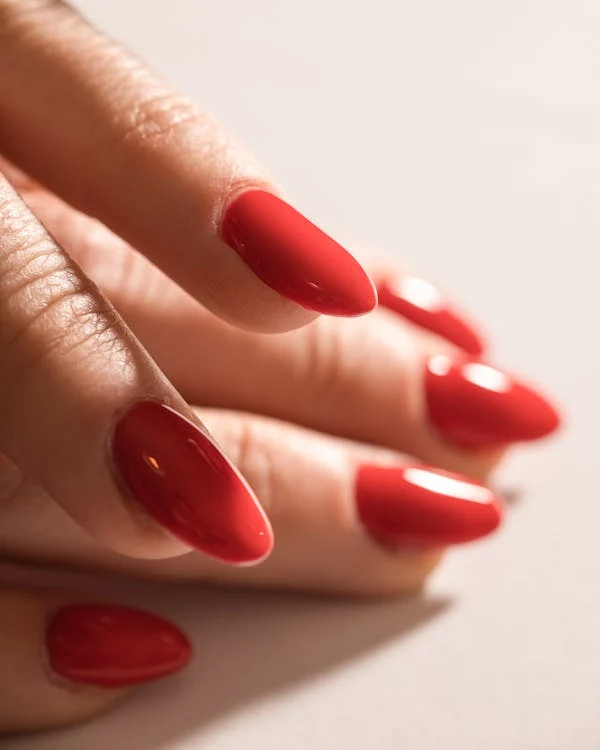
Acrylic nails are perhaps the most traditional and widely recognized form of artificial nail enhancement. They are created by combining a liquid monomer with a powdered polymer, which together form a strong, durable, and fast-curing substance. As the mixture dries, it hardens into a protective layer that can be sculpted over natural nails or extended using tips or forms to create desired lengths and shapes.
Characteristics: Acrylics are renowned for their exceptional strength and durability, making them highly resistant to chipping and breaking. They offer excellent versatility in terms of length and shape, and once cured, they provide a very hard surface. Application: The application involves brushing the wet acrylic bead onto the nail, shaping it quickly before it cures. This process requires a skilled technician due to the short working time. Maintenance: Acrylics typically require fills every 2-3 weeks as the natural nail grows out. Removal: Usually involves soaking the nails in acetone until the material softens and can be gently removed.
Gel Nails: The Flexible and Glossy Alternative
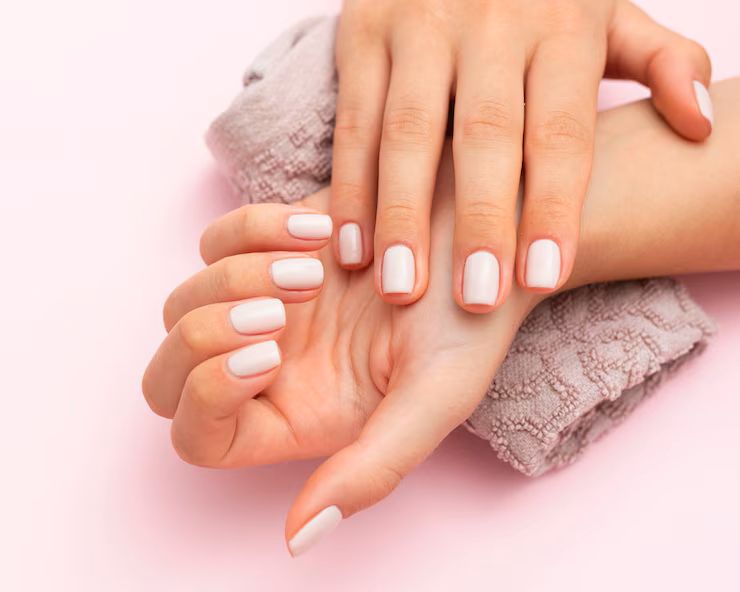
Gel nails represent a more modern approach, offering a different set of advantages. There are generally two main types: hard gels and soft gels (often referred to as gel polish or soak-off gel).
Hard Gels: These are similar in strength to acrylics but are more flexible and often have a higher shine. They cure under UV or LED light. Characteristics: Hard gels are strong, durable, and very glossy. They are more flexible than acrylics, making them less prone to cracking. They are also odorless during application, which is a significant advantage for some. Application: Applied in layers and cured under a UV or LED lamp after each coat. This allows for more working time for the technician to perfect the shape. Maintenance: Requires fills every 2-3 weeks, similar to acrylics. Removal: Hard gels cannot be soaked off and must be carefully filed down by a professional.
Soft Gels (Gel Polish/Shellac): These are thinner and more flexible, applied like traditional nail polish but cured under UV or LED light for extreme durability and shine. Characteristics: Offers extended wear (2-3 weeks) without chipping, peeling, or dulling, maintaining a high-gloss finish. They are less about adding length and more about strengthening and preserving natural nails. Application: Applied in thin coats (base, color, top coat) with curing under a lamp after each layer. Maintenance: Lasts until the natural nail grows out or until removed. Removal: Can be soaked off in acetone, though specific manufacturer instructions should be followed.
Dip Powder Nails: The Odorless and Durable Option
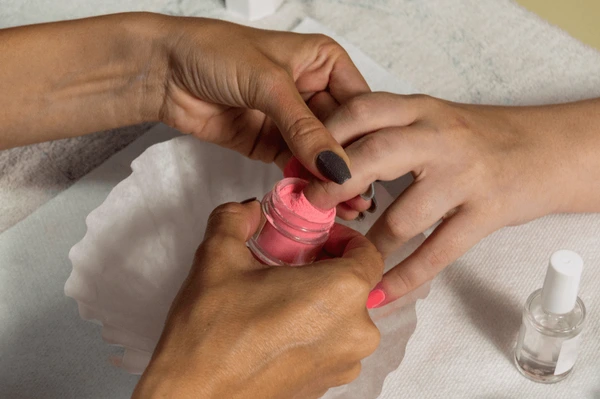
Dip powder systems, often marketed under brands like SNS or NexGen, have gained immense popularity for their simplicity and durability. They combine elements of both acrylic and gel, without the need for UV light or the strong odors associated with traditional acrylics.
Characteristics: Dip powder nails are known for their strength, longevity (often lasting 3-4 weeks), and lightweight feel. They provide a vibrant, chip-free finish and are typically fortified with vitamins and calcium. Application: The process involves applying a base coat to the natural nail, then dipping the nail into a colored powder. This step is repeated multiple times, followed by an activator to cure the layers, and finally a top coat for shine. No UV/LED lamp is needed for curing the powder layers. Maintenance: Requires removal and reapplication when the natural nail grows out, rather than simple fills. Removal: Typically involves soaking off in acetone, similar to soft gels.
Press-on/Glue-on Nails: The Instant Gratification Solution
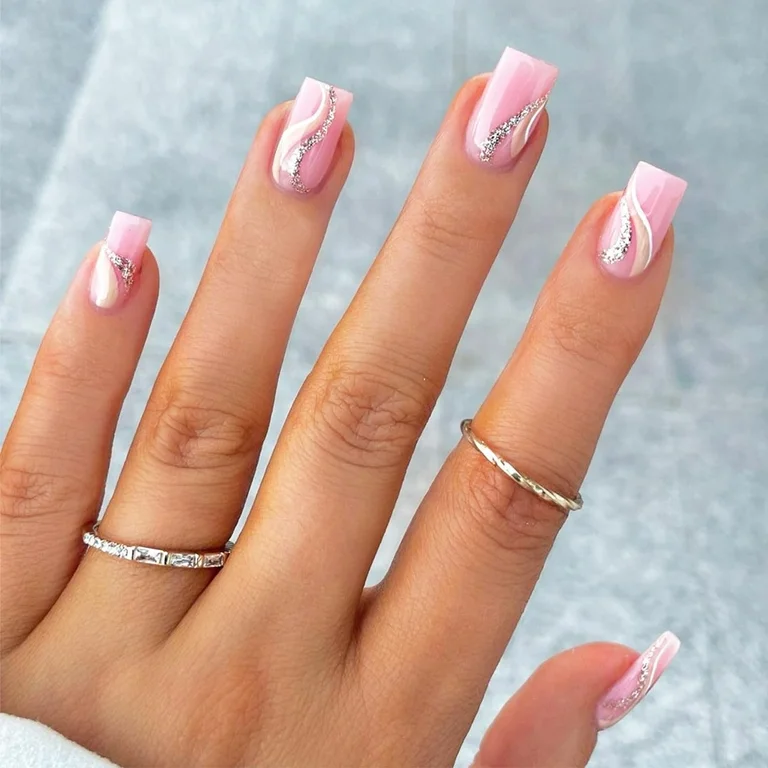
For those seeking temporary flair or an instant style change without a salon visit, press-on nails offer an excellent alternative. These pre-designed, pre-shaped nails can be applied at home using adhesive tabs or nail glue.
Characteristics: Press-ons are incredibly versatile, available in a vast array of colors, designs, lengths, and shapes. They are non-damaging if applied and removed correctly and are relatively inexpensive. Application: Involves selecting the correct size for each nail, applying adhesive (either pre-applied tab or liquid glue), and pressing firmly onto the natural nail. Maintenance: Designed for temporary wear, typically lasting from a few days to about a week, depending on the adhesive and activity level. Removal: Usually involves soaking in warm water (for adhesive tabs) or acetone (for nail glue), then gently prying them off.
The Art of Application: What to Expect
Regardless of the type of artificial nail chosen, a successful application begins with meticulous preparation. A professional nail technician will start by sanitizing hands and tools to prevent infections. The natural nails will be gently prepped: filed, buffed, and cuticles pushed back to create a clean, receptive surface. This ensures proper adhesion and minimizes the risk of lifting or damage. For extensions, tips or forms are carefully applied to achieve the desired length and shape before the chosen product (acrylic, gel, or dip powder) is applied and sculpted. The process culminates in filing, shaping, buffing, and applying a top coat for shine and protection.
Mastering Longevity: Care and Maintenance for Flawless Wear
To maximize the life and beauty of artificial nails, proper care and maintenance are crucial.
- Regular Refills/Fills: For acrylic and hard gel nails, scheduling fills every 2-3 weeks is essential. This addresses the growth of the natural nail, prevents lifting, and maintains the structural integrity of the enhancement.
- Moisturize: Keeping cuticles and the surrounding skin hydrated with cuticle oil daily prevents dryness and helps maintain the flexibility of the nail enhancements.
- Protect Your Nails: Wear gloves when performing household chores, gardening, or engaging in activities that involve harsh chemicals, prolonged water exposure, or heavy impact.
- Avoid Using Nails as Tools: Resist the urge to pick, pry, or scrape with your artificial nails, as this can cause them to lift, break, or even damage the natural nail underneath.
- Be Mindful of Heat: Excessive heat can sometimes weaken or warp certain nail materials, especially gels.
Safe Removal: Preserving Natural Nail Health
Just as proper application is vital, safe removal is equally important to preserve the health of your natural nails. Attempting to forcefully peel, chip, or break off artificial nails can cause significant damage, leading to thinning, peeling, or even tearing of the natural nail plate.
- Professional Removal: It is always recommended to have artificial nails professionally removed by a qualified technician. They possess the knowledge and tools to safely soak off or file down the material without harming your natural nails.
- Acetone Soaking: For most acrylics, soft gels, and dip powders, removal involves soaking the nails in 100% pure acetone. The process can be time-consuming, requiring 15-30 minutes or more, depending on the product thickness. Patience is key; never force the product off.
- Filing: Hard gels cannot be soaked off and must be carefully filed down. This should only be done by a professional to avoid over-filing and damaging the natural nail.
- Post-Removal Care: After removal, provide your natural nails with some TLC. Moisturize thoroughly, apply a nail strengthener, and consider giving them a break from enhancements to rejuvenate.
Navigating Potential Pitfalls: Health and Safety Considerations
While artificial nails offer numerous benefits, it’s important to be aware of potential risks and take precautions to ensure a safe and healthy experience.
- Infections: Improper sanitation of tools or nail beds can lead to bacterial or fungal infections. Always choose a salon that adheres to strict hygiene protocols, using sterilized or single-use tools.
- Allergic Reactions: Some individuals may develop sensitivities or allergic reactions to the chemicals used in artificial nail products. If you experience itching, swelling, redness, or tenderness around your nails, consult a dermatologist and your nail technician.
- Damage to Natural Nails: Aggressive filing during application, improper removal, or picking at lifting enhancements can significantly weaken and damage the natural nail plate.
- Ventilation: Strong fumes are associated with some nail products, particularly acrylics. Ensure the salon has adequate ventilation to protect both clients and technicians from inhaling harmful chemicals.
Choosing Your Perfect Style: Factors to Consider
Selecting the right artificial nail style goes beyond personal preference; it involves considering several practical factors:
- Lifestyle: Active individuals or those who work with their hands might benefit from shorter, more durable options like dip powder or gel, which are less prone to breakage.
- Maintenance Commitment: Are you willing to commit to regular salon visits for fills, or do you prefer a low-maintenance, temporary solution like press-ons?
- Desired Look: Do you want extreme length and intricate 3D designs (often best achieved with acrylics) or a natural-looking, chip-free manicure (gel polish or dip powder)?
- Budget: Costs vary significantly between types, application, and maintenance.
Conclusion
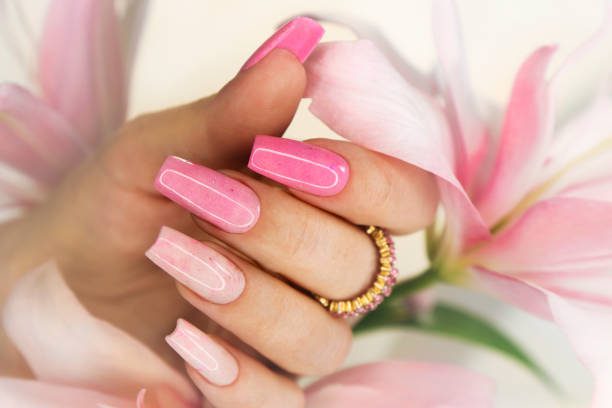
Artificial fingernails offer a fascinating realm of possibilities for achieving truly flawless and personalized styles. From the robust resilience of acrylics and the glossy flexibility of gels to the strength of dip powders and the convenience of press-ons, there’s a system to suit every need and aesthetic desire. However, achieving and maintaining these stunning looks requires more than just choosing a color or design; it demands an understanding of the product, diligent care, and, most importantly, a commitment to professional application and safe removal. By prioritizing hygiene, choosing a reputable technician, and adhering to proper maintenance routines, individuals can confidently embrace the beauty and versatility of artificial fingernails, transforming their hands into elegant, expressive works of art while ensuring the long-term health and vitality of their natural nails.