The Ultimate Guide to Using Boric Acid at Home
5 min read
912 words
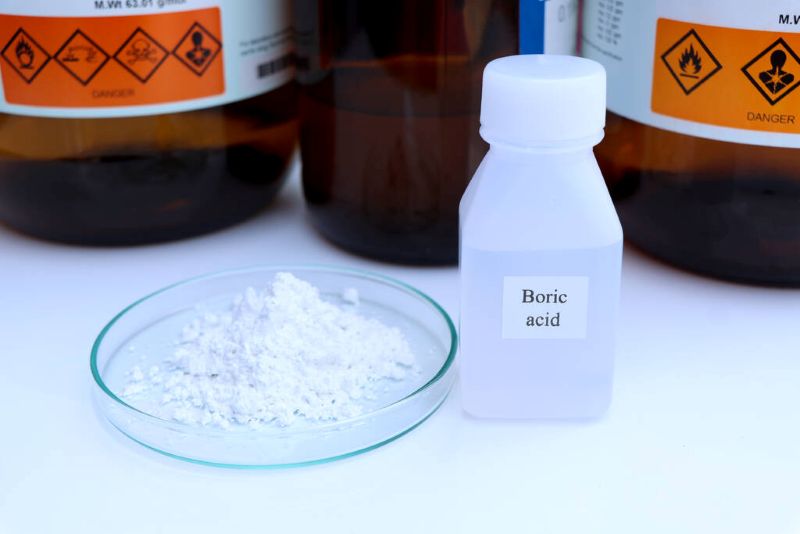
Boric acid, a mild acid of boron, is a white, crystalline chemical compound that has been utilized for various purposes across human history. While its name might sound intimidating, it’s a naturally occurring substance found in fruits, vegetables, and even the human body. Often recognized for its antiseptic, antifungal, and insecticidal properties, boric acid, when handled correctly, can be a surprisingly versatile and cost-effective addition to a household’s arsenal. However, it’s crucial to understand its proper applications and, more importantly, its safety considerations before incorporating it into your home maintenance routines.
Potent Pest Control: Tackling Unwanted Guests
One of the most common and effective uses for boric acid in the home is pest control. Unlike many harsh chemical insecticides, boric acid works as a stomach poison for insects, slowly disrupting their digestive and nervous systems. This makes it particularly effective against common household pests such as cockroaches, ants, and silverfish.
For cockroaches, boric acid powder can be lightly dusted in cracks, crevices, and other areas where roaches hide or travel. When the insects crawl over the powder, it adheres to their bodies, and they ingest it as they groom themselves. Similarly, for ants, a popular method involves mixing boric acid with a sweet attractant (like sugar or honey) to create a bait. The ants carry this mixture back to their colony, effectively spreading the poison and eliminating the entire nest over time. Silverfish, often found in damp, dark areas, can also be controlled by sprinkling boric acid powder in infested areas like bathrooms, basements, and attics. The slow-acting nature of boric acid is often an advantage, as it allows affected insects to return to their nests, spreading the chemical to others before succumbing, leading to more comprehensive eradication.
Household Cleaning and Deodorizing Agent
Beyond pest control, boric acid boasts properties that make it a valuable agent for various household cleaning and deodorizing tasks. Its mild abrasive nature, coupled with its ability to inhibit bacterial and fungal growth, lends itself well to maintaining a sanitary home environment.
For instance, boric acid can be used as a toilet bowl cleaner. A few scoops added to the bowl overnight can help remove stains and tough mineral deposits, while also disinfecting and deodorizing. It can also be applied to specific stains or mold spots in bathrooms or kitchens, left to sit, and then scrubbed away. As a deodorizer, boric acid can be sprinkled inside garbage cans, diaper pails, or even cat litter boxes to neutralize odors by inhibiting the bacteria that cause them. For laundry, a small amount added to the wash cycle can act as a booster for detergents, helping to whiten whites, brighten colors, and eliminate stubborn stains and odors. Its mild antiseptic properties also contribute to a deeper clean, especially for items that might harbor mildew or bacteria.
Addressing Mildew and Fungal Growth
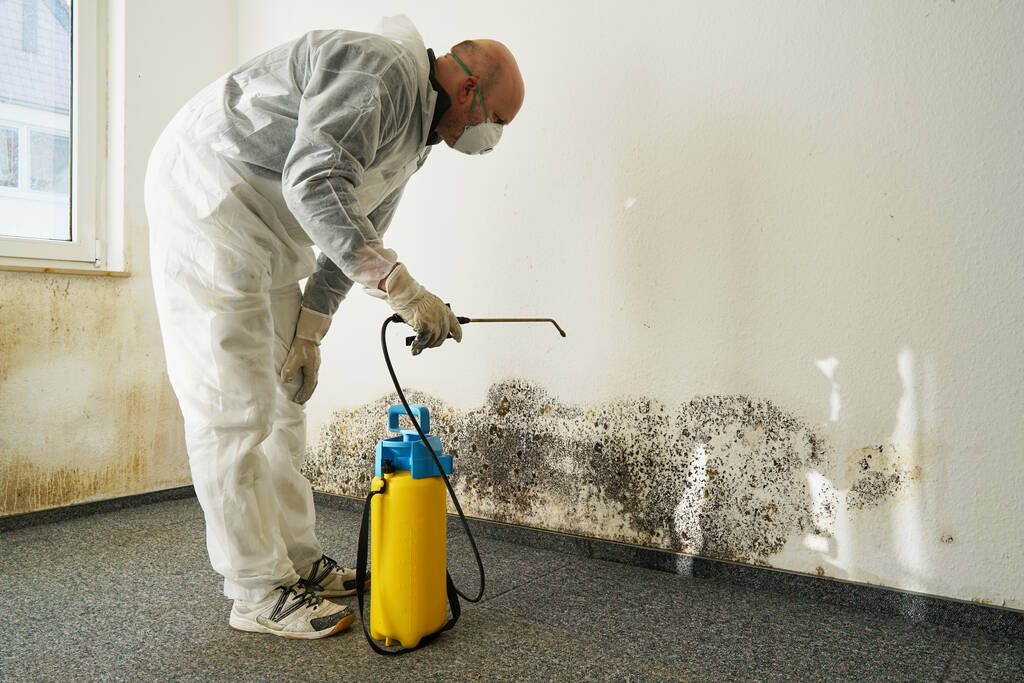
Damp areas in the home are often breeding grounds for mildew and various types of fungi, which can lead to unsightly stains, musty odors, and potential respiratory issues. Boric acid’s fungicidal properties make it an excellent, non-toxic alternative (compared to stronger chemicals) for addressing these problems.
It can be mixed with water to create a paste or solution that can be applied directly to mildewed surfaces, such as bathroom tiles, shower curtains, or basement walls. The solution works by altering the pH of the surface, creating an environment where fungi cannot thrive. After application, allowing it to sit for a period (e.g., 30 minutes to an hour) before scrubbing and rinsing can effectively eliminate existing mold and mildew, and help prevent future growth. For areas prone to dampness, like window sills or corners of basements, regular application of a diluted boric acid solution can act as a preventative measure. This makes it particularly useful in humid climates or homes with poor ventilation, where fungal issues are a recurring concern.
Essential Safety Precautions and Responsible Use
While boric acid offers numerous domestic benefits, it is paramount to understand that it is not harmless. It is toxic if ingested, especially in large quantities, and can cause irritation if it comes into contact with eyes or open wounds. Therefore, strict safety precautions are non-negotiable when handling and storing boric acid at home.
Always store boric acid in clearly labeled containers, out of reach of children and pets. When using it, wear gloves to avoid skin contact, and a mask to prevent inhaling the powder, especially in poorly ventilated areas. Never use boric acid on food preparation surfaces or in areas where food is stored or consumed without thorough cleaning afterward. It should not be used as a medical treatment for humans, despite some historical applications as an antiseptic; modern medicine offers safer alternatives. If using it for pest control, ensure baits are placed in areas inaccessible to children and pets. In case of accidental ingestion or exposure, seek immediate medical attention. Responsible use means being informed, cautious, and prioritizing the safety of all household members.
In conclusion, boric acid, with its multifaceted capabilities, can be a highly practical and economical compound for numerous household maintenance needs, from combating persistent pests to tackling stubborn stains and fungal growth. Its effective, yet relatively slow-acting, nature makes it a unique tool in home care. However, its benefits are only fully realized when coupled with a deep understanding of its potential risks and a commitment to rigorous safety protocols. When handled with the respect it commands, boric acid can indeed be a valuable asset to your home.