Packing Tips: How to Stop Clothes Shifting in Luggage
8 min read
1454 words
You’ve done the hard work: planned your itinerary, booked your transportation, and packed your essentials. But there’s one travel headache many people experience. You open your suitcase after a flight, train ride, road trip, or cruise only to find your clothes wrinkled, shifted to one side, or crammed into awkward corners. When clothing shifts during transit, it’s more than just an inconvenience. It can create deep wrinkles, waste valuable packing space, make it harder to find what you need, and even affect the balance of your suitcase. Whether you’re traveling by airplane, train, bus, or cruise ship, learning how to pack properly can help keep everything organized and in place. In this guide, you’ll learn packing tips on how to pack a suitcase so clothes don’t shift, the best packing methods, how to distribute weight properly, and which travel accessories can help keep your luggage organized from departure to arrival.
Why Do Clothes Shift Inside a Suitcase?
Before diving into the solutions, it helps to understand why clothes move around during travel.
Empty Space Causes Movement
Whenever there are gaps inside your suitcase, clothing naturally shifts into those empty spaces as the bag is moved, lifted, rolled, or stacked.
Poor Weight Distribution
If one side of the suitcase is significantly heavier than the other, items will gradually migrate toward the lowest point during transit.
Overpacking and Underpacking
Overstuffed suitcases compress clothing and force items out of place, while underpacked suitcases leave too much room for items to tumble around.
Best Packing Methods to Prevent Clothes From Shifting
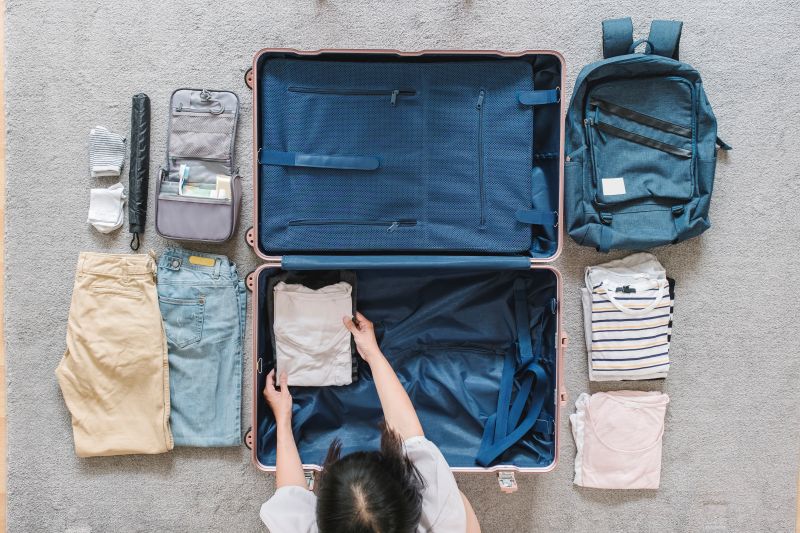
1. The Rolling Method
Rolling clothing remains one of the most popular packing techniques among experienced travelers.
Benefits of Rolling
Tightly rolled garments create compact bundles that are less likely to move around. Rolling can also help reduce wrinkles in many fabrics.
Best Items to Roll
- T-shirts
- Casual pants
- Jeans
- Activewear
- Undergarments
For best results, stand rolled items vertically inside your suitcase rather than stacking them.
2. The Bundle Wrapping Method
Travelers carrying business attire or delicate garments may prefer the bundle method.
How It Works
Start with a small central item such as socks or a pouch. Wrap larger clothing pieces around the center one at a time, creating a compact bundle.
Best For
- Dress shirts
- Blouses
- Slacks
- Delicate fabrics
This method minimizes movement because the garments essentially lock each other into place.
3. Use Packing Cubes
Packing cubes are among the most effective travel accessories for preventing clothes from shifting.
Organize by Category
Separate clothing into cubes for tops, bottoms, underwear, sleepwear, or accessories.
Prevent Internal Movement
Once zipped, packing cubes keep clothing contained and organized, even if the suitcase is tossed around during travel.
Additional Packing Tips for an Organized Suitcase
A few simple packing habits can make a big difference in keeping your clothes organized and preventing them from shifting during travel.
Pack Outfits Together
Instead of packing individual clothing items separately, group complete outfits together. This makes it easier to find what you need at your destination and reduces the amount of rummaging through your suitcase.
Use Every Inch of Space
Maximize available space by placing socks, underwear, belts, and other small items inside shoes or around larger objects. Filling empty spaces helps keep everything secure during transit.
Keep Toiletries Contained
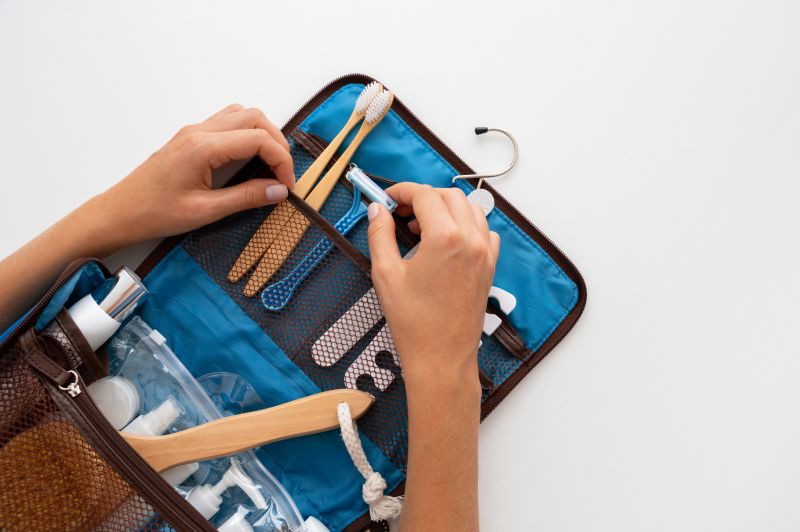
Store toiletries in a waterproof pouch or packing cube to prevent leaks from damaging clothing. Position toiletry bags near the center of the suitcase for better balance.
Separate Clean and Dirty Clothes
Pack a lightweight laundry bag to separate worn clothing from clean items. This helps keep your suitcase organized throughout your trip and prevents dirty clothes from shifting into clean garments.
Pack According to Your Destination
Consider your destination’s weather and activities before packing. Bringing only what you need reduces clutter and leaves less opportunity for items to move around inside your luggage.
Use Internal Compression Straps
Many suitcases include built-in compression straps designed to hold clothing firmly in place. Once you’ve finished packing, tighten the straps to minimize movement and maximize stability.
Leave Room for Souvenirs
If you plan to shop during your trip, leave a small amount of extra space in your suitcase. This prevents overstuffing on the return journey and helps maintain organization.
Repack Before Heading Home
Before returning home, take a few minutes to reorganize your suitcase. Refolding clothes, tightening compression straps, and redistributing weight can help prevent shifting during your return trip.
How Full Should a Suitcase Be?
One of the most overlooked packing questions is how full your suitcase should be.
A suitcase that’s only half full leaves too much room for clothing to move during transit. At the same time, an overstuffed suitcase can place excessive pressure on zippers and force items out of place.
For the best results, aim to fill your suitcase to approximately 80% to 90% of its capacity. This leaves enough flexibility for souvenirs while minimizing empty space.
If gaps remain, fill them with smaller items such as socks, scarves, belts, or travel accessories.
How to Distribute Weight Properly
Proper weight distribution doesn’t just prevent clothing from shifting. It can also help keep your luggage stable while you’re moving through airports, train stations, and hotels. Learn more in our guide, How to Prevent a Suitcase from Tipping Over: A Guide.
Place Heavy Items Near the Wheels
Pack heavier items such as shoes, books, toiletry bags, and electronics closest to the wheels.
This lowers the center of gravity and improves stability.
Keep Lightweight Items on Top
Place lighter clothing such as t-shirts, sweaters, and scarves above heavier items.
These garments naturally fill small gaps without creating instability.
Balance Weight Side-to-Side
Try to distribute weight evenly across both sides of the suitcase.
Proper weight distribution doesn’t just prevent clothing from shifting—it can also help prevent luggage from tipping over while walking.
Packing for Train Travel
Packing for train travel requires slightly different considerations than packing for air travel.
Whether you’re traveling on long-distance rail routes, commuter trains, or cross-country services, luggage often remains closer to you throughout the journey.
Keep Essentials Easily Accessible
Store items you may need during the trip near the top of your suitcase or in an exterior pocket. These may include:
- Phone chargers
- Medications
- Snacks
- Travel documents
- Reading materials
- Light jackets or sweaters
Secure Clothing for Longer Journeys
Even though train travel is generally smoother than flying, luggage can still shift when trains accelerate, brake, or travel around curves.
Packing cubes, compression organizers, and internal compression straps help keep clothing secure throughout the journey.
Avoid Overpacking
Train luggage racks and overhead storage areas may have size limitations. A well-organized suitcase is easier to lift, store, and access during your trip.
Protect Fragile Items
Place electronics and breakable souvenirs in the center of your suitcase surrounded by soft clothing for extra protection.
Best Travel Accessories for Organized Packing
Compression Packing Cubes
Compression cubes remove excess air and help create a more compact, stable load.
Laundry Bags
Laundry bags keep dirty clothing separate while also helping fill empty spaces later in your trip.
Shoe Bags
Shoe bags prevent dirt from transferring to clean clothing while helping contain heavier items.
Garment Folders
Ideal for business travelers, garment folders help keep dress shirts, slacks, and formal wear wrinkle-free.
Common Packing Mistakes to Avoid
Leaving Empty Spaces
Empty gaps allow clothing to shift during travel.
Packing Heavy Items on One Side
Uneven weight distribution causes instability and makes rolling your suitcase more difficult.
Ignoring Compression Straps
Internal suitcase straps are designed to secure clothing and reduce movement. Always use them.
Frequently Asked Questions
Do packing cubes stop clothes from shifting?
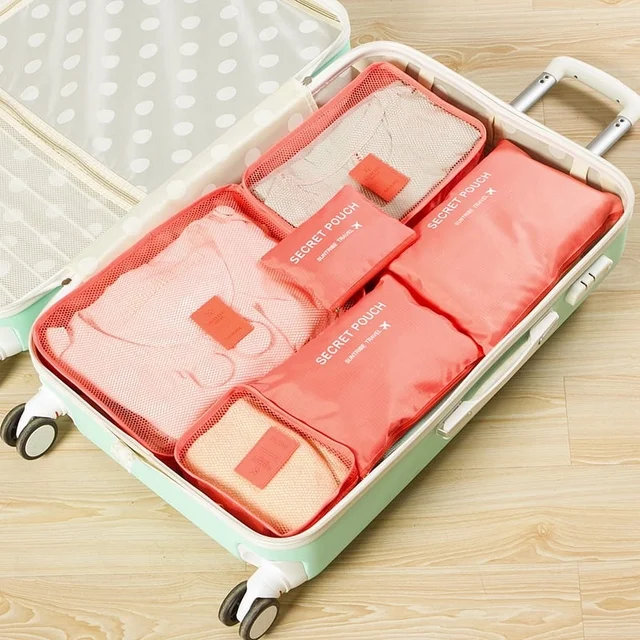
Yes. Packing cubes create organized compartments that significantly reduce movement inside your suitcase.
Is rolling clothes better than folding?
For casual clothing, rolling is often more space-efficient and helps reduce shifting. For dress clothing, folding or bundle wrapping may work better.
Should I use compression packing cubes?
Compression cubes are excellent for maximizing space while keeping clothing secure and organized.
How do airlines handle checked luggage?
Checked luggage experiences significant movement during loading, unloading, and transit. Proper packing helps protect both your clothing and your suitcase.
Conclusion
Packing a suitcase so clothes don’t shift requires a combination of smart organization, proper weight distribution, and effective packing techniques. Rolling clothing, using packing cubes, filling empty spaces, and balancing weight throughout the suitcase can help ensure your belongings arrive exactly where you packed them.
Whether you’re traveling by plane, train, cruise ship, or car, a well-packed suitcase stays organized, reduces wrinkles, and makes your journey far less stressful. By following these simple packing tips, you can spend less time rearranging your luggage and more time enjoying your trip. A little preparation before you leave can make a big difference when you arrive at your destination. Safe travels!