
4 min read
679 words
Learning Differences
Children learn in diverse ways, and traditional classroom methods do not always align with their strengths. As a result, some students may struggle to demonstrate what they truly understand in a standard academic setting. Conditions such as dyslexia or attention challenges can make schoolwork feel overwhelming, even when a child is intelligent and motivated. These experiences can affect self-esteem and lead to frustration or avoidance of school tasks. Early assessment and academic support can help create a more accessible learning experience tailored to their needs. When interventions are introduced early, children are often better able to build confidence and develop effective learning strategies. Families may also seek guidance from therapists in Hinsdale, IL if emotional or behavioral concerns accompany academic struggles.
Emotional Stress
Children experience stress for many reasons, including family changes, friendships, or internal worries they may not know how to express. Even positive life events can feel overwhelming without adequate coping skills. Emotional stress can impact concentration, motivation, and confidence. Over time, this stress may show up as irritability, withdrawal, or difficulty completing schoolwork. When these feelings go unnoticed, academic performance may decline. Small challenges can begin to feel unmanageable without the right support. Creating space for open communication helps children feel safe discussing their concerns. When children feel heard and understood, they are more likely to seek help and develop healthy coping strategies.
Classroom Environment
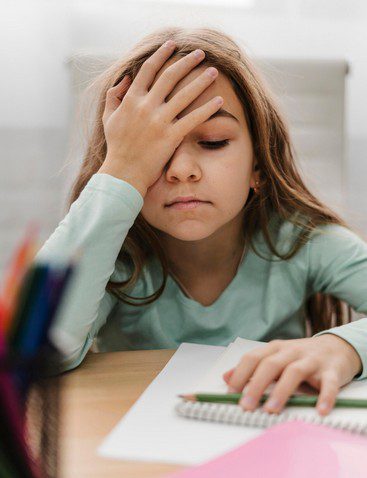
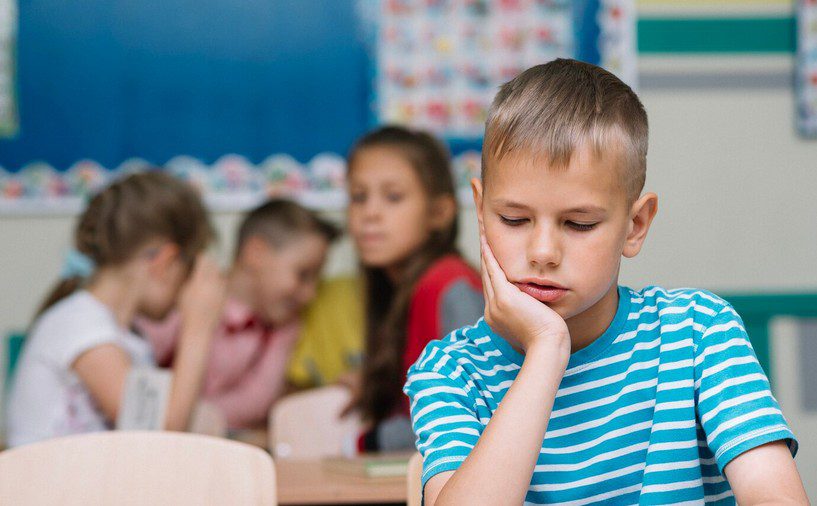
The environment in which a child learns plays a significant role in their success. Factors such as classroom structure, sensory input, and teacher expectations all influence how a child engages with learning. A classroom that feels overstimulating, overly strict, or inconsistent can create barriers to learning. In these settings, children may become anxious, distracted, or disengaged. Conversely, a supportive environment can help children thrive. Consistent routines and positive reinforcement often promote a sense of safety and confidence. Understanding how a child responds to their surroundings can shed light on what adjustments might improve their experience.
Social Challenges
Friendship difficulties or feelings of isolation can affect school performance. Children who struggle socially may carry worry or self-doubt into the classroom. Social dynamics influence a child’s sense of belonging, which in turn affects their ability to focus. When children are preoccupied with peer relationships, it can be harder to engage fully in learning tasks. When children feel supported by peers, they often interact more confidently with academic material. Positive social connections can increase participation, motivation, and willingness to take academic risks. Noticing social patterns can help parents determine where their child may need encouragement. Paying attention to changes in friendships or social behavior can offer valuable insight into a child’s overall well-being.
Health or Developmental Factors
Growth and development vary widely among children. Each child progresses at their own pace, and differences are a natural part of development. Physical health concerns, sleep issues, and developmental milestones can all influence school performance. Even mild challenges in these areas may affect energy levels, attention, or emotional regulation during the school day. Identifying these factors helps ensure that interventions support the child’s underlying needs rather than only addressing surface level symptoms. A holistic approach allows caregivers and professionals to create more effective and compassionate support plans.
Conclusion
When a child struggles in school, exploring possible causes with care and curiosity can lead to meaningful solutions. With early attention and supportive resources, children can regain confidence and enjoy learning once again.
 Kayla Baptiste
  Carl
Carl