

5 min read
906 words
Watching your teenager prepare to get behind the wheel brings a unique mix of pride and anxiety that most parents know all too well. This milestone represents a significant leap toward independence, but it’s also one that comes with serious responsibilities and plenty of preparation. From paperwork and proper training to hands-on practice and safety gear, getting your teen ready for the road takes thoughtful planning and, let’s be honest, a decent chunk of your budget. When you understand exactly what your young driver needs before they start their engine, you’re setting the stage for a safer, more confident experience that benefits everyone in your household.
Essential Documentation and Legal Requirements
Getting your teen on the road legally starts with gathering the right paperwork, beginning with that all-important learner’s permit. Requirements differ from state to state, but you’ll typically need proof of identity, a social security number, residency documents, and parental consent since your teen’s still a minor. They’ll face a written knowledge test covering everything from traffic laws to road signs and basic safety practices. You’ll also need to show proof that they’re enrolled in an approved driver education program if your state requires formal instruction for teenage drivers.
Driver Education and Training Programs
Quality driver education creates the foundation for safe driving habits that stick with your teen for life. Today’s driver education looks quite different from what many parents remember, offering flexible options that actually work with demanding family schedules while still delivering thorough instruction. When families need to meet state requirements while juggling work commitments and school activities, online drivers ed provides the flexibility to complete coursework at their own pace. These formal training programs blend classroom instruction, covering traffic laws, defensive driving techniques, and how to spot hazards before they become problems, with real behind-the-wheel practice supervised by certified instructors. Professional training ensures teens receive consistent, expert guidance during those crucial early learning stages when habits form. Beyond just checking off legal requirements, solid driver education helps teens develop critical thinking skills behind the wheel, grasp how vehicles actually respond, and recognize dangerous situations before things go sideways. The research backs this up: teens who complete formal driver education programs consistently show lower accident rates and receive fewer traffic violations compared to those learning exclusively from family members.
Behind, the-Wheel Practice Requirements
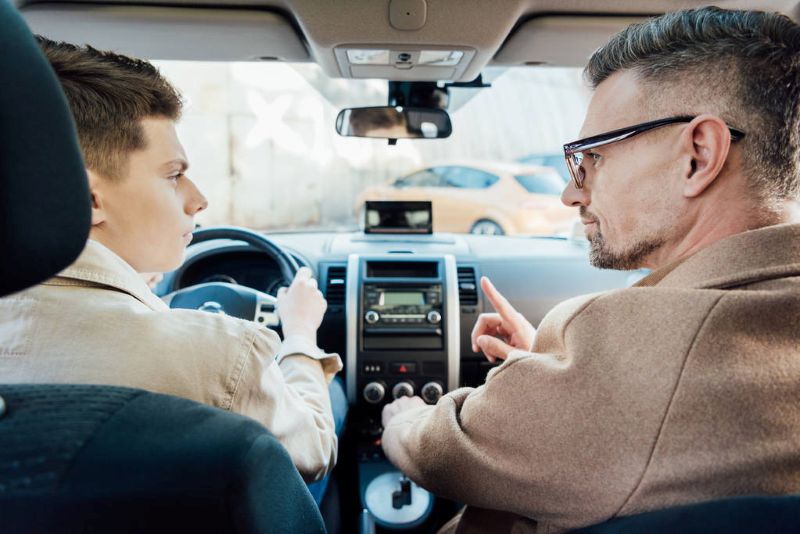
While classroom instruction builds essential knowledge, there’s simply no substitute for actual time behind the wheel. Most states require a minimum number of practice hours, typically somewhere between 40 and 50 hours, before your teen qualifies for a full license, and a chunk of that needs to happen after dark. Parents should think strategically about these practice sessions, beginning in low-stress environments like empty parking lots before moving up to residential streets, highways, and eventually more challenging conditions. Keep a detailed practice log tracking hours, weather conditions, and specific skills you’ve worked on, documenting your teen’s progress toward meeting licensing requirements.
Vehicle Access and Insurance Considerations
Whether your teen gets their own car or shares a family vehicle is a decision that impacts both your daily logistics and your wallet. Adding your teen to your existing insurance policy? Brace yourself for a significant rate jump, since young drivers fall into the highest-risk category insurance companies track. It’s worth shopping around and asking about good student discounts, driver training discounts, and low-mileage programs that might soften the financial blow. These days, many insurers offer usage-based insurance programs using small telematics devices that monitor actual driving behaviour, potentially rewarding safe habits with lower rates down the road.
Safety Equipment and Emergency Supplies
Every vehicle your teen operates should be stocked with essential safety equipment and emergency supplies that could prove invaluable when things don’t go according to plan. Start with the basics: a properly maintained spare tire, jack, and lug wrench that’s actually the right size for your vehicle’s lug nuts. Add jumper cables, a well-stocked first-aid kit, and a reliable flashlight with fresh batteries. Don’t forget a phone charger, your teen needs to be able to call for help no matter what.
Establishing Rules and Setting Expectations
Crystal-clear communication about driving privileges and responsibilities prevents arguments later and encourages safer behavior from the start. Draft a written parent-teen driving agreement that spells out your expectations regarding passengers, nighttime driving, cell phone use, seatbelt requirements, and what happens when rules get broken. Most states enforce graduated licensing restrictions that limit teen passengers and late-night driving, take these rules seriously and enforce them consistently, because they’re specifically designed to reduce distractions and risks during your teen’s highest-danger period. Have an honest conversation about your family’s zero-tolerance approach to impaired driving, making sure your teen knows they can always call for a safe ride home without facing punishment for making the smart choice.
Conclusion
Getting your teen ready for independent driving goes way beyond tossing them the car keys and hoping for the best. When you ensure they’ve got proper documentation, comprehensive education, plenty of supervised practice, appropriate vehicle access, essential safety equipment, and clear behavioral expectations, you’re making a real investment in their safety and their future as a responsible driver. This preparation phase demands your time, money, and patience, but the payoff comes in developing a confident, capable driver who understands the serious responsibility they’re taking on. Keep in mind that learning to drive is actually a gradual process that continues well beyond that exciting day when they pass their licensing test.
 Valerie Cox