

5 min read
922 words
Planning a memorable weekend with your children doesn’t have to drain your wallet or send your stress levels through the roof. With a little forethought and some creative thinking, you can craft experiences that genuinely bring your family closer while keeping everyone happy and engaged. The real secret? It’s all about finding that sweet spot between having a plan and leaving room for spontaneity, making sure everyone’s interests get a nod, and staying flexible when things don’t go exactly as expected (because they rarely do). Whether you’re exploring your own backyard or heading out for a mini adventure, a thoughtfully planned weekend creates those moments your family will talk about for years to come.
Start with Age-Appropriate Activity Selection
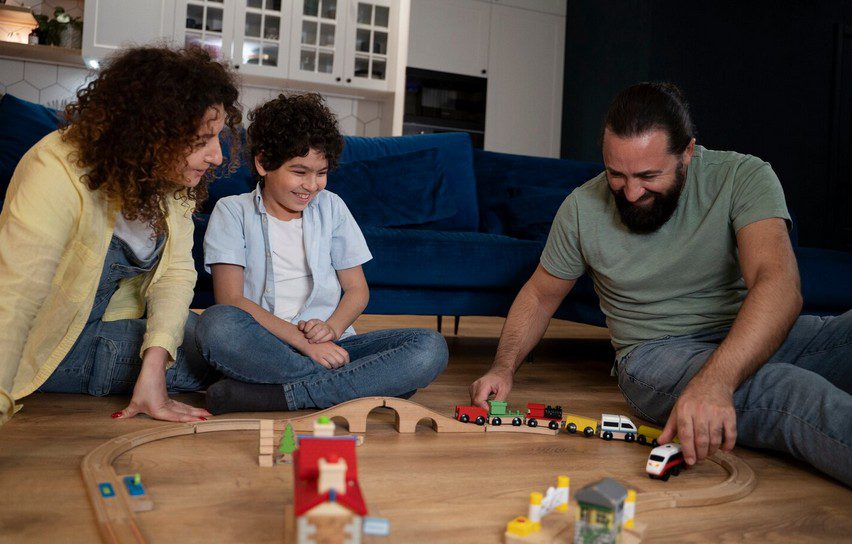
Getting a handle on where your kids are developmentally makes all the difference when you’re picking weekend activities. Little ones usually can’t sit still for long, they need frequent snack breaks, bathroom runs, and activities that let them touch, move, and explore with their whole bodies. Kids in elementary school? They’re ready for things that make them think and move at the same time, like treasure hunts, team sports, or hands-on projects where they can show off what they’re learning. Teenagers often want activities that give them a taste of independence or let them hang with friends, think entertainment spots where they can roam a bit while you keep a watchful (but not hovering) eye.
Involve Your Kids in the Planning Process
Kids get way more excited about activities when they have a say in choosing them. Kick off your planning with a family meeting where everyone tosses out ideas and votes on their favorites, yes, even your youngest deserves a voice in the weekend plans. This team approach teaches kids some pretty valuable life skills like compromising, making decisions, and thinking about what others might enjoy too. Put together a visual schedule with pictures, colorful markers, or magazine cutouts that shows what’s happening when throughout the weekend.
Prepare Essentials and Pack Smart
Successful weekends don’t just happen, they require some smart preparation to avoid those panic moments and frantic last-minute searches. Make yourself a thorough list of everything you’ll need: snacks, water bottles, sunscreen, band-aids and basic first aid stuff, backup clothes, and something to keep little hands busy during unexpected waits. A well-stocked cooler with nutritious snacks and plenty of drinks keeps everyone’s energy up and saves you from those pricey gas station stops. Throw in some coloring supplies, compact travel games, or queue up some audiobooks for car rides or those inevitable moments when you need kids occupied.
Balance Structure with Flexibility

Sure, having a plan gives you direction, but sticking to a rigid schedule can turn what should be fun into an exhausting race from checkpoint to checkpoint. Build some breathing room between activities for bathroom breaks, snack attacks, and those magical unplanned moments when your kid spots something absolutely fascinating. Make sure there’s time for unstructured play where children can just be kids without any particular agenda or pressure to accomplish something specific. If an activity’s turning into a bust, don’t be afraid to switch gears rather than powering through something that’s making everyone miserable.
Create Technology-Free Moments
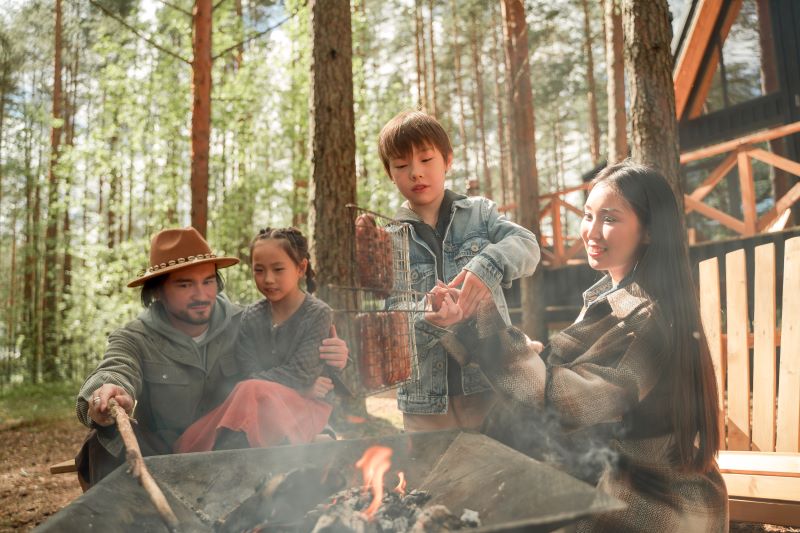
In our screen-saturated world, deliberately unplugging opens up space for real family connections and being fully present with each other. Set aside specific times or activities where phones, tablets, and other devices get tucked away completely. These tech-free boundaries naturally encourage actual conversation, real eye contact, and engagement with what’s happening around you rather than what’s happening on a screen. Mealtimes are perfect natural opportunities to go device-free, everyone can share stories, talk about their favorite moments, and connect without digital interference. Nature activities practically beg you to unplug, whether you’re hiking trails, exploring neighborhood parks, or wandering through botanical gardens. When planning overnight outdoor adventures with your kids, families who prepare with camping checklist essentials ensure they have everything needed for a comfortable and successful experience. When kids watch their parents putting down devices too, they absorb valuable lessons about balance and what really matters in life. That said, don’t make technology the enemy, letting kids snap photos of special moments or look up cool facts about something they’ve discovered can actually enhance learning and create digital memories they’ll love looking back on.
Budget Wisely for Maximum Fun
Creating weekends your family remembers doesn’t mean dropping a fortune on pricey attractions or fancy activities. Do some digging to find free or budget-friendly community happenings like street festivals, library events, outdoor concerts, or those special museum days with reduced admission. Most cities have free parks, playgrounds, hiking spots, and beaches that deliver hours of entertainment and get everyone moving. Making your own meals and packing snacks from home saves serious money compared to eating out and usually means healthier choices too.
Conclusion

Planning a fun weekend with your kids is really about mixing thoughtful preparation with room for spontaneous joy, creating experiences that draw your family closer and build memories that stick. When you choose activities that match your kids’ ages, bring them into the planning conversation, prep your essentials, stay flexible with your schedule, carve out tech-free time, and spend money wisely, you’re setting everyone up for meaningful time together. Here’s the thing to remember: perfection isn’t what you’re shooting for, genuine connection, shared laughter, and time spent together are what count. Even those weekends when nothing goes according to plan often turn into the stories your family retells forever, complete with hilarious mishaps and surprises nobody saw coming.
 Valerie Cox