
4 min read
734 words
Improving your home’s energy efficiency is one of the most effective ways to reduce utility costs, increase comfort, and shrink your environmental footprint. With energy prices fluctuating and eco-conscious living becoming more important to many homeowners, taking practical steps to upgrade your home’s efficiency can pay off immediately and long-term. From insulation improvements to smarter appliance choices, there are many strategies that can make a noticeable difference.
Enhance Insulation and Seal Air Leaks
One of the most impactful ways to improve energy efficiency is to ensure your home is properly insulated. If your walls, attic, or crawl spaces aren’t adequately insulated, your heating and cooling system has to work significantly harder to maintain a comfortable indoor temperature. This results in higher energy consumption and more wear on HVAC equipment.
In addition to insulation, sealing gaps and cracks throughout the home is essential. Air leaks commonly occur around windows, doors, pipe openings, and attics. Weatherstripping and caulking are simple, low-cost solutions that can prevent heated or cooled air from escaping. By creating a more airtight envelope, you boost efficiency and enhance overall comfort, especially during extreme temperatures.
Upgrade to Energy-Efficient Windows and Doors
Your windows and doors directly affect your home’s energy performance. Older or single-pane windows often allow heat to escape in the winter and enter during the summer, forcing your HVAC system to compensate.
Upgrading to double- or triple-pane windows with low-emissivity (low-E) coatings can significantly improve insulation. These coatings reflect infrared light, keeping heat inside during cold months and blocking it during warmer seasons. Similarly, energy-efficient exterior doors constructed with insulation cores provide better thermal performance than older hollow-core styles.
While these updates require an investment, homeowners often see lower utility bills and improved indoor comfort immediately. Additionally, high-efficiency windows and doors can enhance property value and curb appeal.
Improve HVAC Efficiency and Maintenance
Your heating, ventilation, and air conditioning system is one of the largest energy consumers in your home. Even a high-performance system struggles to operate efficiently without proper maintenance. Replacing air filters regularly, cleaning ducts, and scheduling annual inspections can significantly improve performance.
If your HVAC system is more than 10 to 15 years old, it may be worth upgrading to a modern energy-efficient model. Newer systems are designed to use far less energy while providing better climate control. Smart thermostats also contribute to efficiency by adjusting temperatures automatically based on your daily routine. These devices can learn patterns and optimize energy usage without requiring constant manual adjustments.
Make Smart Roofing and Exterior Improvements
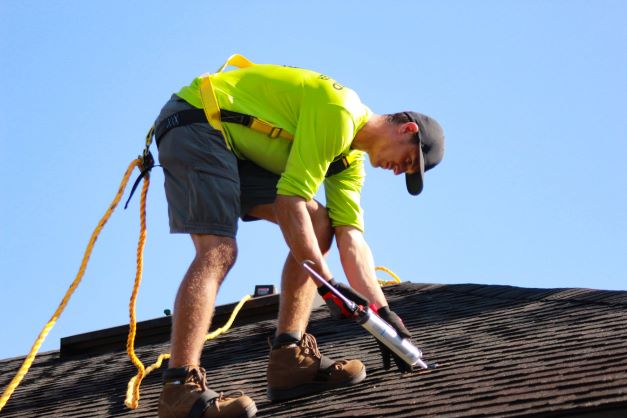
The exterior of your home—especially the roof—plays a crucial role in managing temperature and energy consumption. Light-colored or reflective roofing materials can help reduce heat absorption during warm months, easing the workload on your cooling system. Proper roof ventilation and attic insulation work together to maintain balanced airflow and reduce heat buildup.
If you’re considering a roof replacement or upgrade, working with knowledgeable local professionals ensures your materials and installation methods support long-term energy efficiency. Companies like Ace Roofing in Austin often help homeowners select roofing systems designed to minimize heat absorption and improve overall home performance. A well-chosen roof can make a significant impact on energy costs, especially in areas with intense sun exposure.
Incorporate Energy-Efficient Lighting and Appliances
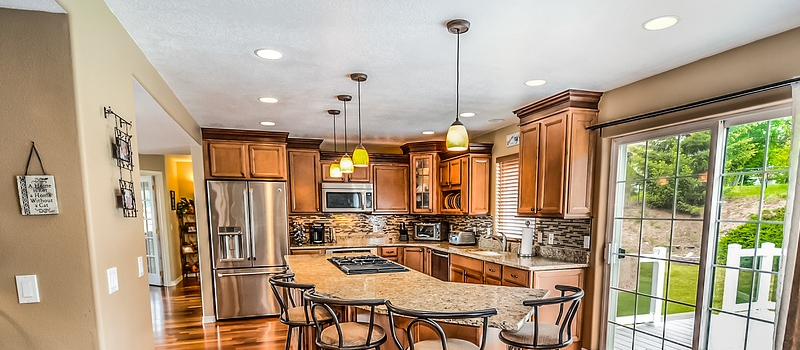
Modern appliances and lighting options offer substantial efficiency improvements compared to older models. LED bulbs consume significantly less energy and last much longer than traditional incandescent lighting. They also stay cooler, reducing unnecessary heat generation inside the home.
When replacing appliances—such as refrigerators, dishwashers, or washing machines—look for ENERGY STAR®‑rated models. These products meet strict efficiency guidelines and often include advanced features that help manage energy and water consumption effortlessly.
Using power strips for electronics, unplugging unused devices, and considering smart home plugs or timers can further reduce standby energy loss, sometimes called “phantom load.” Over time, these small adjustments create meaningful savings.
Conclusion
Making your home more energy efficient doesn’t require a full-scale renovation—small changes and strategic upgrades can make a significant impact on comfort and cost savings. By improving insulation, updating windows and doors, maintaining your HVAC system, choosing energy-conscious materials, and embracing smarter appliances, you build a more sustainable, cost-effective home environment. Energy efficiency is a long-term investment that pays dividends, offering both immediate comfort and lasting value. Let these steps guide your journey toward a more efficient and environmentally responsible home.
 James Dingman