

4 min read
765 words
Cold winter months are a prime breeding ground for mould in many homes. As outdoor temperatures drop, we naturally seal windows and doors to conserve warmth. Unfortunately, this also traps moisture indoors, creating the perfect environment for mould to thrive on walls, ceilings, and furniture. In this blog post, we’ll introduce you to Stoßlüften (shock ventilation)—an energy-efficient German technique—to prevent mould, reduce humidity, and improve air quality without sacrificing heat comfort. Read on for a friendly, step-by-step guide on keeping your home mould-free all winter long.
Why Mould Loves Winter
• Increased indoor humidity: Cooking, showering, drying laundry, and even breathing add moisture to the air.
• Poor air circulation: Closed windows trap water vapour, raising relative humidity above the 60% threshold where mould spores germinate.
• Cold surfaces: Walls and windowsills become colder than the room air, encouraging condensation and providing a breeding ground for mould.
Left unchecked, this cycle can damage paintwork, compromise insulation, and trigger allergies or respiratory issues. The solution? Regular, targeted ventilation.
What Is Stoßlüften?
Stoßlüften (sometimes called shock ventilation or burst ventilation) is a short, effective method of airing out your home. Instead of leaving windows tilted open for hours—letting precious heat escape and walls cool down—you open all windows and doors wide for 5–10 minutes, usually two to three times a day. This rapid air exchange flushes out humid air, replaces it with fresh, drier outdoor air, and maintains comfortable indoor temperatures once you close the windows again.
Key Benefits of Stoßlüften
• Energy efficiency: Short bursts of ventilation minimize heat loss and prevent walls from cooling.
• Improved air quality: Fresh air reduces concentrations of CO₂, volatile organic compounds (VOCs), and airborne allergens.
• Moisture control: Efficiently lowers indoor humidity, making it harder for mould to form.
• Simple and fast: No complicated equipment required—just open, wait, and close.
How to Perform Stoßlüften in Five Steps
- Schedule your ventilation times
– Morning after waking up
– Midday, especially after cooking or showering
– Early evening before bedtime - Open multiple windows and interior doors fully
– Create cross-ventilation: open windows on opposite sides of the room or house.
– Keep interior doors open so the fresh air can circulate freely. - Time it precisely
– 5–10 minutes is usually sufficient.
– In extremely cold or windy conditions, limit to 3–5 minutes to avoid overcooling. - Close windows securely
– Ensure they’re tightly closed to lock in warm air.
– Avoid leaving them tilted open, which cools walls and furniture. - Monitor indoor humidity
– Use a hygrometer to check relative humidity levels.
– Aim for 40–60% humidity to deter mould growth.
Additional Winter Mould Prevention Tips
- Keep interior doors open
Allowing air to circulate between rooms prevents moisture pockets and reduces condensation build-up. - Use extractor fans
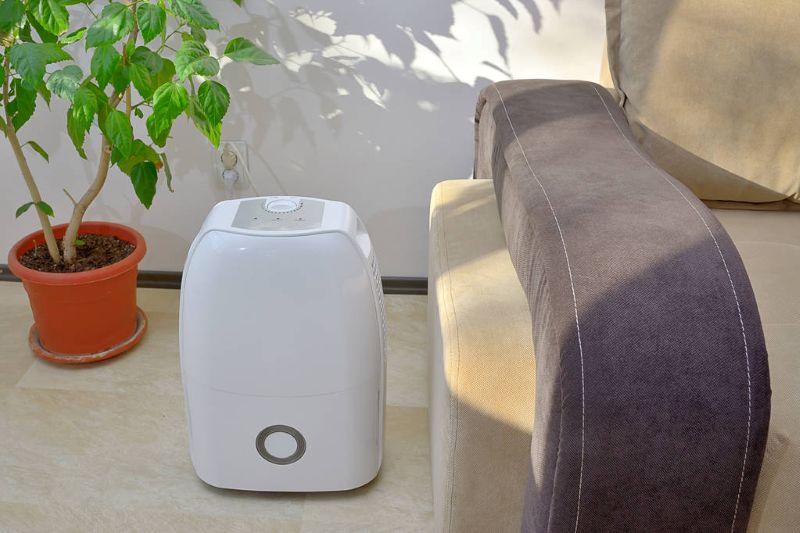
In kitchens and bathrooms, always turn on the extractor fan during and after activities that produce steam. - Invest in a dehumidifier
If your home is prone to high humidity—especially basements—setting up a dehumidifier can help maintain ideal moisture levels. - Maintain consistent temperatures
Try to keep rooms at a steady 18–21°C (64–70°F). Avoid large temperature fluctuations that encourage condensation. - Insulate exterior walls and windows
Proper insulation keeps wall surfaces warmer, reducing the risk of cold spots where condensation can occur. - Wipe down wet surfaces
After a shower, use a squeegee on glass and tiles. Dry any pools of water around sinks and tubs promptly.
Troubleshooting Common Ventilation Challenges
• Rooms with no cross-ventilation: If only one window is available, open doors to hallways or adjacent rooms and use a circulating fan to boost airflow.
• Forgetting to ventilate after cooking: Set a timer or use a kitchen timer app—10 minutes of Stoßlüften soon after cooking makes a big difference.
• Concerns about security or noise: Ventilate during safe, quiet times; consider installing window restrictors that permit partial opening for airflow without compromising security.
Signs You Need Better Ventilation
• Dull paint or bubble marks on walls and ceilings
• Musty odours, especially in corners, cupboards, or behind furniture
• Visible black or green patches in bathrooms, kitchens, or basements
• Increased allergy or respiratory irritation among household members
Conclusion
Winter doesn’t have to mean battling mould and stale air. By adopting the German Stoßlüften method, you can efficiently exchange indoor air in just 5–10 minutes, two to three times daily, without sacrificing warmth or comfort. Combine this approach with sensible moisture control practices—like consistent heating, targeted dehumidification, and routine surface care—to keep your home fresh, healthy, and mould-free all season long.
Ready to breathe easier this winter? Start your Stoßlüften routine today, and say goodbye to mould for good!
 Leo Allen
  Carly
Carly