
5 min read
864 words
It usually starts with something small. Maybe you hear a faint scratching sound at night or notice a loose panel near your roofline. Many homeowners brush it off at first, but these small signs can point to a bigger issue with rodents and wildlife. Homes in places like St. Louis often deal with increased activity from rats, squirrels, and other wildlife because of seasonal changes and nearby trees or green areas. These rodents are always looking for warmth, shelter, and easy access to your attic or crawlspace.
The truth is, your home’s exterior plays a big role in keeping these unwanted visitors out. Even the smallest gap or weak spot can turn into an open door for wildlife and rodents looking to move in. The good news is that you do not need major renovations to protect your property. A few smart upgrades can make a big difference, effectively deterring rodents and wildlife to help you avoid costly damage later.
1. Strengthening Entry Points Around Your Home
One of the most important steps in keeping wildlife out is sealing off entry points. Animals are surprisingly good at finding small openings. A gap that seems too small to matter can be just right for a mouse or even a squirrel.
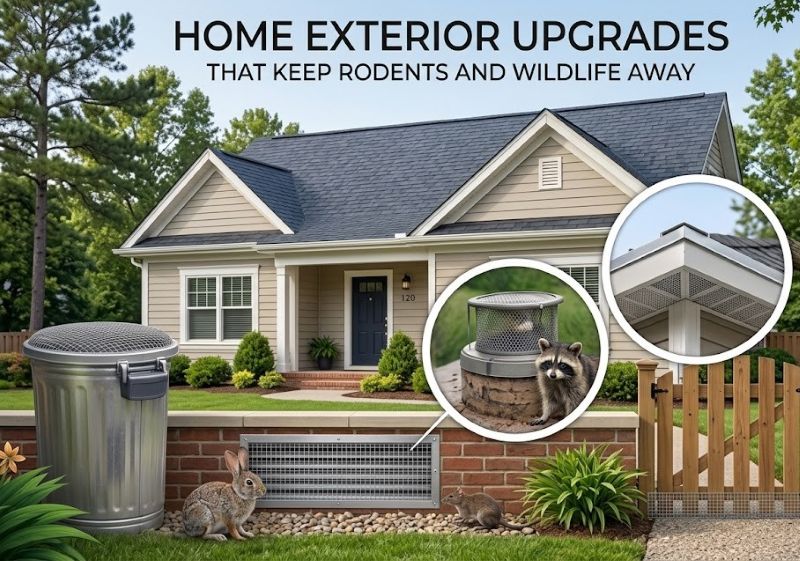
Common problem areas include vents, roof edges, soffits, and small cracks along the foundation. These spots often go unnoticed until there is already a problem, which is why regular inspection matters.
If you are looking for professional critter control St Louis has a range of providers to choose from who can help identify hidden gaps and properly seal them. Experienced professionals know exactly where to look and can catch issues that are easy to miss. This not only saves time but also helps prevent the same problem from happening again.
For simple fixes, homeowners can use caulk to seal cracks, install mesh over vents, and close any visible holes. These small upgrades may seem basic, but they go a long way in making your home less inviting to unwanted wildlife.
2. Upgrading Roof and Attic Protection
Your roof is one of the most common entry points for wildlife. Animals like squirrels and raccoons often climb up and look for weak spots. Damaged shingles, loose edges, or soft areas can give them an easy way in.
Keeping your roof in good condition is key. Regular inspections help you catch problems early before they turn into larger openings. Pay close attention to areas where different parts of the roof meet, as these spots are more likely to wear down.
Soffits and fascia also need attention. These parts of your home are often targeted because they are easier to break into. Replacing damaged sections and using strong materials can make a big difference.
3. Installing Proper Vent Covers and Chimney Caps
Open vents and chimneys are like invitations for wildlife. Birds, squirrels, and even small mammals look for these openings when searching for a place to nest.
Installing vent covers is an easy way to prevent this. These covers are designed to keep animals out while still allowing air to flow. It is important to choose strong materials that can handle the weather and resist damage.
Chimney caps are another simple but important upgrade. Without a cap, your chimney becomes an open path into your home. A properly installed cap keeps animals out and also protects against debris.
These small improvements do not take much time or effort, but they can prevent major issues down the line.
4. Improving Siding and Foundation Sealing
Your home’s siding and foundation are key barriers against the outside world. When they are in good shape, they keep everything out. When they are damaged, they create easy access points.
Cracked or loose siding can allow animals to get behind walls. Once inside, they can cause damage that is hard to see until it becomes serious. Repairing or replacing damaged siding helps maintain a strong exterior.
Foundation cracks are another common issue. Even small cracks can grow over time and become entry points. Sealing these gaps with the right materials helps keep your home secure.
5. Smart Landscaping to Reduce Wildlife Attraction
Your yard plays a bigger role than you might think. Overgrown trees and bushes can act like bridges that lead animals straight to your roof.
Trimming branches so they do not touch your home is a simple but effective step. Keeping bushes neat and away from walls also helps reduce hiding spots.
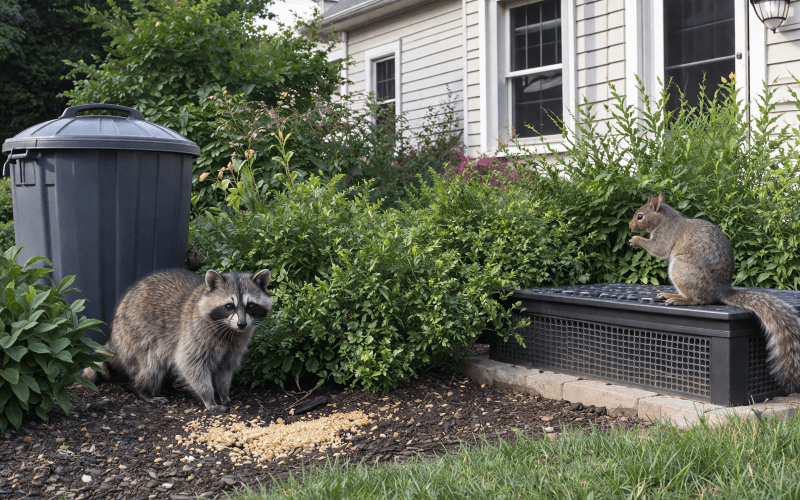
It is also important to remove anything that might attract animals. This includes food scraps, open trash bins, and even fallen fruit. Keeping your yard clean makes it less appealing to wildlife.
Keeping wildlife out of your home does not require complicated changes. Small upgrades can make a big difference when done consistently. By sealing entry points, maintaining your roof, and improving your exterior, you create a strong barrier that protects your home.
Prevention is always easier than dealing with an active problem. Taking the time to inspect and improve your home now can save you stress and money later. A well-maintained exterior not only keeps animals away but also helps your home stay safe, clean, and comfortable for years to come.
 Leo Allen
  Kim Monroe