
6 min read
1035 words
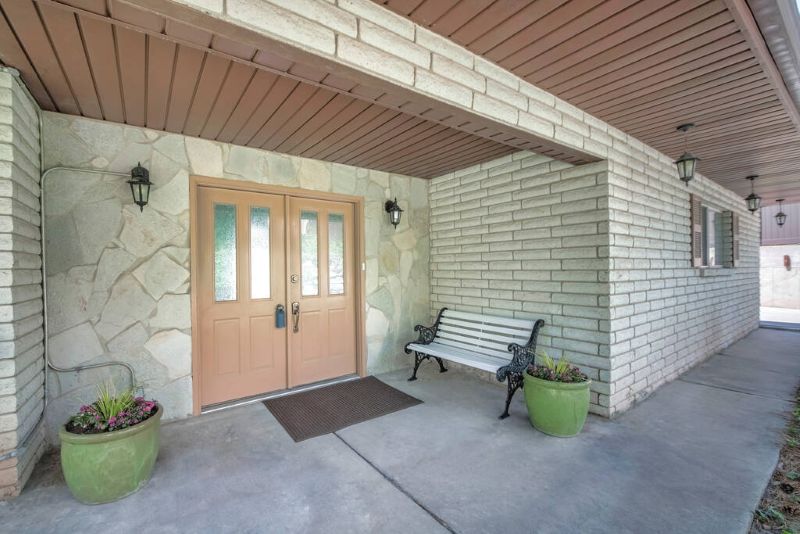
Your front door performs a lot of duties while conducting its existing role as the entry point into the property. It delivers security, structure, and thermal conductivity, among other things. And it’s used constantly. It’s how you primarily get in and out of the building, and it’s expected that it will be opened and closed multiple times per day, pretty much most days.
And this means that your door needs to be in its best condition at all times.
Especially when you factor in the level of security it offers you and your home and your family. When security is weakened, or your door is compromised, you need to update any weaknesses so you can rest assured your home is secure, and there’s more than one way to do this. It’s not just about a reinforced entryway; it’s about a mix of upgrades that offer diversity and protection. Here are some entryway improvements you can make to increase home security.
Upgrade the Door Core for Forced-Entry Resistance
In relation to security, front door failure is more often due to structural weakness than locking failure. If you have a hollow-core door or aging panel construction, this is how it will fail on you, as these types of doors aren’t built to tolerate shock loads. One heavy kick or shoulder impact, and the skin fractures and internal support collapses. A dense solid timber door or a reinforced-core door, however, dramatically reduces the chance of this happening, as the solid core improves resistance thanks to the rigidity, preventing energy concentrations. The force is dispersed across the full slab.
And when someone is trying to force entry, this matters, and the longer it takes to breach, the longer you have to get to a safe place or call for help.
Signs your door is succumbing to age or won’t give you the resistance you need against forced entry include subtle warping, slight movement when pulled closed, hairline cracks radiating from panels, and softening near the lower rails.
This is where replacement doors become a more rational choice for homeowners. Installing a properly constructed timber model, for example, from Delta Doors Exterior Wood Doors, provides improved stability, hinge retention, and impact tolerance. The same applies to doors constructed from other materials; a solid core will always offer increased resistance for security.
Install a Multi point Locking System
A single deadbolt supports one location on the door. They’re a viable addition to any front door, but once that point is weakened due to force by the lock, the protection is gone. Instead, choose a multi point locking system for your front door. This type of lock distributes engagement using the height of the door, not just in one place. And when locked, the slab becomes anchored at multiple positions, reducing the leverage advantage that intruders rely on. The result is that instead of forcing separation at one vulnerable point, i.e, the deadbolt, the pressure must overcome resistance across the entire frame instead.
The real benefit here is structural cooperation. Distributed locks limit door flex and frame twist under impact. However, it can’t just work on its own. You need to have the proper door construction to support the locking system, and the combination of a rigid door’s correct installation and detailing, as well as a sturdy frame, as this is what supports the multi point lock and gives it its strength, rather than failing when you need it the most.
Reinforce the Door Frame
As mentioned above, the door frame needs to be safe and secure to help support front door security. Because if the frame fails under forced intrusion, access will be granted easily.
Standard strike plates are typically only fixed with short screws embedded only into the timber frame. And when force is applied, the bolt can break free, even if the lock itself remains intact. Reinforcement targets this weakness, and you can upgrade using 75–100 mm structural fittings, using a heavy-duty strike plate, and anchoring directly into the wall studs to improve security.
The difference is significant. Instead of resisting impact through the door itself, the load transfers into the structural framing. Kick-in attempts that might normally grant access will be forced to overcome the wall assembly itself.
Replace Standard Hinges with Security Hinges
Again, it’s often about the hardware, specifically the hinges here. Your hinges carry a consistent load, yet are often overlooked during security conversations. Worn hinges introduce subtle movement, creating misalignment that reduces lock engagement depth.
Exposed hinge pins present a removal vulnerability on certain door configurations. Security hinges address both durability and protection factors. Reinforced plates resist pull-out forces, non-movable pins prevent simple disassembly, and the integrated locking studs add secondary anchoring when the door is closed. Pay attention to edge cases, as these deserve consideration too. Outward-opening doors, for example, side entrances, and older hinges seem more susceptible, so focus on these areas to bolster security and avoid failure at these points.
Install a Smart Lock or Keyless Entry System
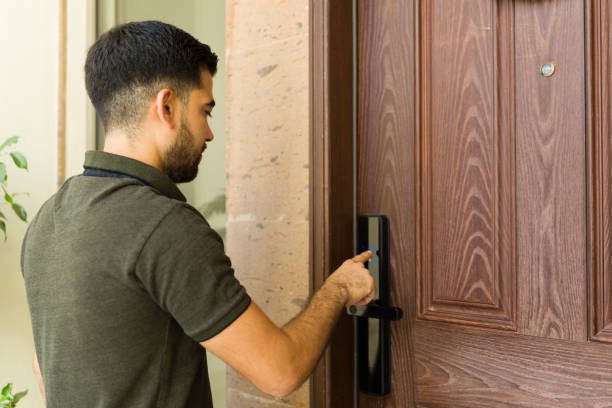
Not everyone is convinced by modern locking systems, but in relation to security, you can benefit greatly from these types of additions. Traditional keys introduce human vulnerabilities: loss, copying, concealed spares, and unauthorized duplication. Keyless systems, however, shift control from possession to authorization.
Modern smart locks allow temporary codes, reducing the issues of missing keys and introducing the potential for unauthorized access. You can track entry and exit, and schedule access too. And this flexibility reduces risks tied to actions such as giving keys to contractors when you’re not home, deliveries, or short-term guests. Codes can be revoked instantly, be one-time use only, and this is something physical keys cannot.
While these might be great upgrades, they also come with important considerations, such as battery backups, low-power alerts, and mechanical overrides to prevent lockout scenarios. Security should never compromise usability, and for the smart lock to be effective, you need to make sure it’s fully usable at all times.
Entry failures aren’t the result of one failing point. There are usually multiple aspects at play, and if you’re worried about the security of your home via the front door, these tips can help you reinforce security for added protection at all times.
 Carly
Carly  Leo Allen