

6 min read
1113 words
Many guest rooms slowly turn into storage areas without anyone planning it. A box gets placed in the corner for “now.” Extra blankets move in. Clothes that do not fit anymore end up in the closet. Over time, the room stops feeling welcoming and starts feeling crowded. Then a guest announces a visit, and you rush to clean and hide things at the last minute.
A clutter-free guest room should not require emergency cleaning. It should feel ready at any time. With a few clear decisions and simple systems, you can keep the space calm, useful, and easy to maintain all year.
Decide What This Room Is Really For
Before you organize anything, decide the main purpose of the room. Is it only for guests, or does it also serve as a home office or hobby space? You need a clear answer. When a room has no defined role, it becomes a backup storage area for everything else in the house.
Choose one primary function and stick to it. If it must serve two purposes, define clear boundaries. For example, you may allow a small desk in one corner but keep the closet fully available for visitors. When you set limits, you reduce future clutter. Every item should support the room’s purpose. If it does not, it belongs somewhere else.
Clear the Space Before You Organize
You cannot organize clutter. You have to remove it first. Take everything out of the closet, drawers, and surfaces. Place items in another room and review them one by one. Ask yourself whether each item truly belongs in a guest room. If certain belongings do not fit anywhere else but you are not ready to let them go, consider moving them to storage units so they do not crowd this space.
Be direct with your decisions. If you have not used something in a year and it has no clear purpose for guests, move it out. Donate items that no longer serve you. Relocate paperwork, unused decor, and old clothing. Starting with a clean slate allows you to rebuild the room with intention instead of rearranging the same mess.
Make the Closet Guest Ready
The closet sends a clear message about whether the room is truly meant for guests. If visitors open the door and see packed shelves and crowded rods, they will feel like they are intruding. Create real space for them. Leave several empty hangers available. Clear at least half of the rod and shelf area.
Store extra bedding in neat containers on an upper shelf. Keep only items that relate to guest use inside the closet. Avoid stacking random boxes on the floor. When you treat the closet as part of the guest experience, you protect it from becoming overflow storage. A functional closet also makes the room easier to maintain long-term.
Choose Furniture with a Clear Purpose
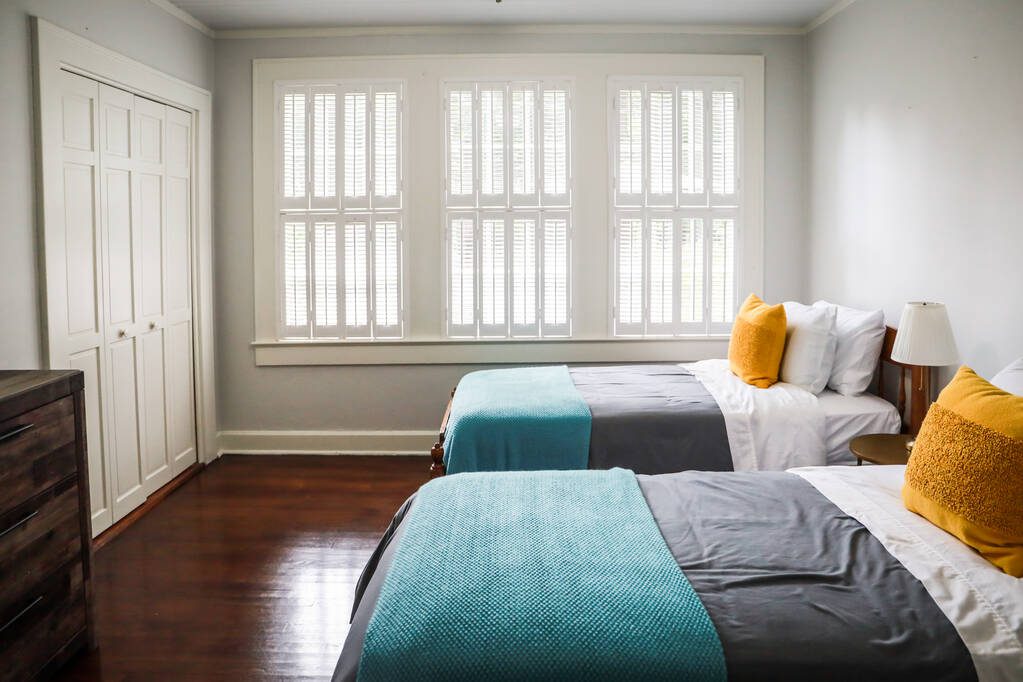
Too much furniture invites clutter. Extra chairs, unused shelves, and bulky cabinets create more surfaces for items to collect. Focus on pieces that support comfort and function. A comfortable bed, a small nightstand, and proper lighting often meet most needs.
If you include a dresser, keep it mostly empty so guests can unpack. Avoid filling drawers with random household items. Select furniture that fits the size of the room so it feels open rather than crowded. When every piece serves a purpose, the room feels intentional. Fewer surfaces also mean less cleaning and fewer places for clutter to hide.
Create a Simple Reset After Every Visit
A guest room can fall apart quickly after someone stays over. Sheets pile up, drawers hold forgotten items, and surfaces gather small clutter. Reset the room as soon as possible after guests leave. Wash and fold linens the same day if you can. Return extra pillows and blankets to their assigned spots. Check drawers and closets for items left behind. Remove trash and wipe down surfaces. This reset should take less than thirty minutes if you maintain the room well. When you complete it right away, you avoid slow buildup. A consistent reset routine keeps the room ready and prevents the need for deep cleaning later.
Stop the Room from Becoming a Drop Zone
Guest rooms often become holding areas for random items because they seem out of sight. That habit creates clutter over time. Break this pattern by setting a clear rule in your home that nothing enters the guest room unless it belongs there. If you bring in a box or bag temporarily, remove it the same day. When you receive packages, sort them immediately instead of stacking them in this space. Address clutter at its source rather than relocating it. If another area lacks storage, solve that problem directly. Protecting the guest room from daily overflow keeps it functional and reduces stress before visits.
Keep Decor Simple and Easy to Maintain
A guest room does not need heavy decor to feel welcoming. Too many decorative items create dust, visual clutter, and extra cleaning work. Choose a few framed prints or simple wall art pieces that fit the room’s style. Limit small tabletop items that can shift or collect dust. Leave clear space on the nightstand for personal belongings like phones or glasses. Avoid overcrowded shelves that serve no practical use. Clean design supports easier upkeep. When you simplify decor, you cut down cleaning time and reduce the risk of clutter building up around it. Guests will appreciate open surfaces more than crowded displays.
Set a Monthly Five-Minute Check
Even well-organized rooms need light maintenance. Once a month, walk into the guest room and scan it carefully. Open the closet. Check drawers. Look under the bed. Remove anything that does not belong. Straighten bedding and wipe surfaces if needed. This quick check keeps small problems from turning into large ones. You do not need a full reorganization session. You only need consistency. Regular attention keeps the room aligned with its purpose. When you build this habit into your routine, the space stays under control. A short monthly check prevents clutter from returning and keeps the room ready year-round.
A clutter-free guest room does not require strict rules or constant cleaning. It requires clear purpose, smart limits, and regular upkeep. When you remove items that do not belong, protect the closet space, and prevent overflow from other areas, you create a room that stays functional. Small habits such as resetting after visits and doing a monthly check make a big difference over time.
The goal is not perfection. The goal is consistency. When you treat the guest room as a dedicated space instead of extra storage, it remains welcoming and ready whenever someone plans a visit.
 Leo Allen
  James Dingman