
4 min read
697 words
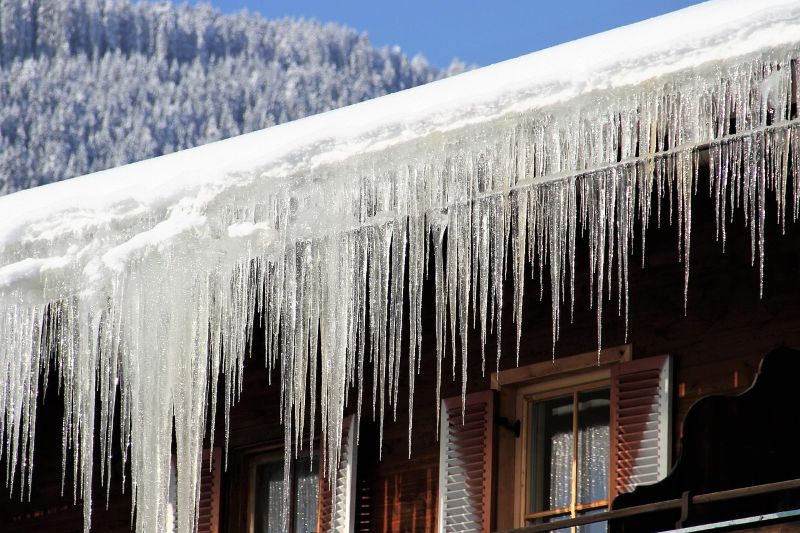
As winter blankets Canadian cities in snow and ice, a hidden hazard often goes overlooked—icicles. These frozen, dagger-like formations may look picturesque, but they can pose serious dangers to pedestrians below. From sidewalk slips to life-threatening impacts, falling icicles have led to injuries, hospitalizations, and even long-term legal consequences for property owners.
In cities like Cambridge and Ottawa, real-life incidents have underscored just how dangerous icicles can be. In one shocking event in Cambridge, Ontario, multiple people were rushed to the hospital after being struck by large chunks of falling ice. In another, a 100-kilogram block of ice plummeted from a building in Ottawa, striking a 56-year-old man on the head and leaving him in serious condition. These aren’t isolated incidents—they’re wake-up calls.
Why Are Icicles So Dangerous?
Icicles form when snow melts on rooftops and refreezes at the edges, often along gutters or overhangs. As temperatures fluctuate, they grow longer and heavier. Because of gravity and wind, they can break free without warning. When they fall, icicles can accelerate to dangerous speeds, and even small ones can cause cuts or concussions. Larger icicles—some weighing tens or even hundreds of kilograms—can be deadly.
Experts have described icicles as “nature’s ice daggers.” According to the Cleveland Clinic, a falling icicle can reach speeds of up to 60 km/h, delivering a force strong enough to fracture bones or cause serious head trauma. And because they often fall from significant heights, pedestrians have little time to react.
Legal Liability for Property Owners in Canada
In Canada, the duty to maintain safe premises during winter extends beyond shoveling sidewalks. Property owners, landlords, and business operators are legally responsible for ensuring their buildings and surrounding areas are free from hazards—including icicles.
Under provincial liability laws (such as Ontario’s Occupiers’ Liability Act), property owners owe a “duty of care” to visitors, tenants, and passersby. This means they must take reasonable steps to identify and eliminate dangers on or near their property. If icicles pose a foreseeable risk and the owner fails to remove them or warn others, they could be held liable for injuries.
This responsibility applies year after year. Courts have ruled that property owners should anticipate ice buildup during winter months and take proactive steps—especially on buildings with overhangs, awnings, or flat roofs where ice accumulates more easily.
If someone is injured by a falling icicle on your property, you could face:
- Personal injury lawsuits
- Costly medical expense claims
- Damage to your reputation (especially for businesses)
- Fines or penalties under municipal bylaws
Even if the weather is “unpredictable,” courts often consider icicle formation a foreseeable winter hazard—meaning ignorance is not a valid legal defense.
How to Prevent Icicle Hazards and Stay Safe
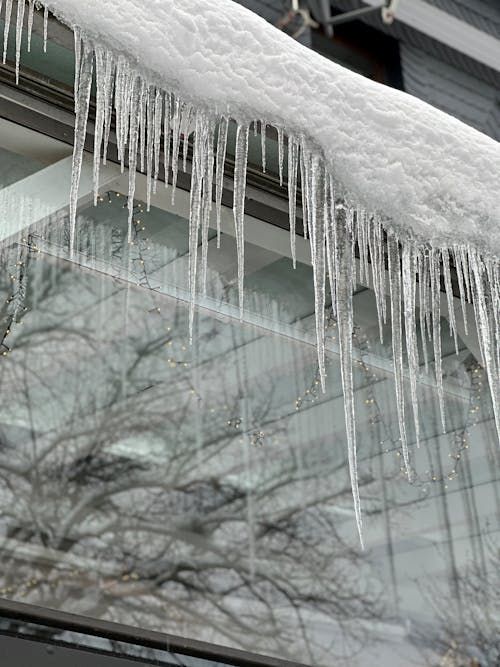
The good news? Most icicle-related accidents are preventable with proper awareness and maintenance.
For Property Owners:
- Inspect regularly: Check rooftops, eaves, and overhangs after snowfall or warm spells.
- Remove icicles safely: Use a roof rake or long-handled tool from the ground. Never stand directly beneath them.
- Use warning signs: If icicles can’t be removed immediately, post caution signs and cordon off dangerous areas.
- Invest in prevention: Improve attic insulation and ventilation to reduce roof warming and snow melt.
- Hire professionals: Consider working with licensed contractors for ice dam removal and gutter maintenance.
For Pedestrians:
- Watch for icicles hanging above sidewalks, building entrances, and parking areas.
- Avoid walking directly under roof edges during freeze-thaw cycles.
- Report dangerous icicles to property managers or local authorities when possible.
Stay Informed, Stay Safe
Falling icicles are more than a winter annoyance—they are a real safety concern with legal and personal consequences. As climate patterns shift and freeze-thaw cycles become more common, property owners and communities must take proactive steps to prevent accidents.
At the end of the day, safety starts with awareness. Whether you own a home, manage a rental property, or operate a business, your actions can prevent injury and protect against liability.
For more on winter safety and property maintenance, visit trusted sources like CTV News and the Cleveland Clinic.
Stay alert, stay safe—and make sure your property isn’t the next source of a preventable accident.
 April Franke
  Leo Allen
  Carly
Carly