
6 min read
1102 words
Most homeowners don’t think much about their home’s systems until something stops working. Heating kicks on, water flows, doors open and close, and everything feels fine, until one day it isn’t. When systems fail suddenly, repairs feel stressful and expensive, even though the warning signs were often there long before.
The truth is, every system in your home experiences wear. Some wear happens slowly and quietly, which makes it easy to ignore. But extending the life of these systems doesn’t require major upgrades or constant attention. It’s usually about small habits, regular checks, and knowing which areas deserve a closer look.
Homes run more smoothly when their systems are treated with care instead of being pushed until they break. When you take time to support the parts of your home that work hardest, you reduce surprise repairs and keep things running reliably for years. A smart place to begin is with the systems you rely on most in your daily routine.
Start With High-Use Systems That Handle Daily Wear
Systems that move, lift, or cycle several times a day tend to wear down faster than others. These are the parts of your home that rarely get a break, yet they’re often overlooked because they seem to work fine, until they don’t. Paying attention to these high-use systems early can make a big difference in how long they last.
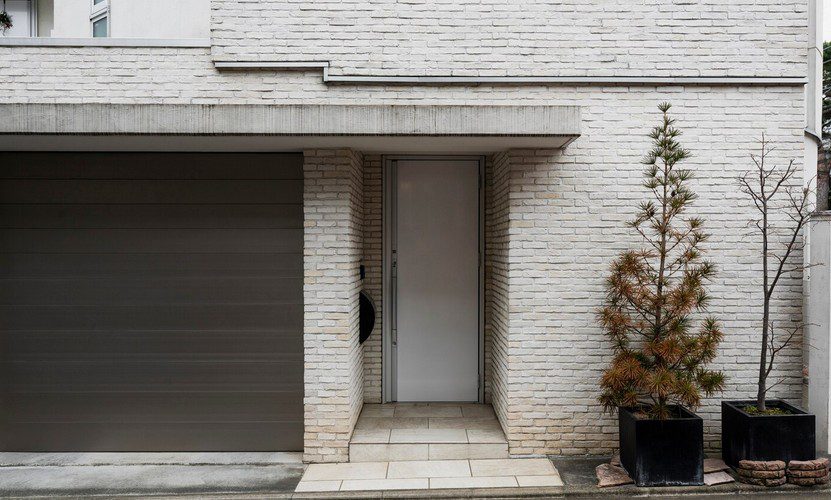
One example is the overhead door, which is used multiple times a day and depends on springs, rollers, tracks, and a motor working together smoothly. Over time, everyday use can cause parts to loosen, wear unevenly, or fall out of alignment. When maintenance is skipped, strain builds up quietly, increasing the risk of sudden failure or safety issues.
Professional service can help keep these systems running properly through routine inspections, adjustments, and part replacement before problems escalate. Addressing wear early reduces stress on connected components and helps the system operate more smoothly and safely. When high-use systems are cared for consistently, they’re far more likely to deliver reliable performance long-term.
Keep Mechanical Components Clean and Properly Maintained
Dirt, dust, and debris are common causes of early system wear. Mechanical parts are designed to move smoothly, but when buildup gets in the way, friction increases and components wear out faster. This applies to many systems throughout the home, from fans and motors to hinges and tracks.
Regular cleaning doesn’t need to be complicated. Wiping down visible parts, keeping surrounding areas clear, and making sure vents or openings aren’t blocked all help systems function more efficiently. Lubrication, when appropriate, also reduces strain and helps parts move as intended.
Neglecting these small steps allows friction and resistance to build up over time. Eventually, that extra strain shortens system lifespan and leads to avoidable repairs. Simple maintenance habits, done consistently, protect the systems you depend on every day.
Pay Attention to Warning Signs Before They Become Problems
Most systems give signals when something isn’t right. Unusual noises, slower operation, uneven movement, or inconsistent performance are often early warnings. Because these signs don’t always stop a system from working immediately, they’re easy to dismiss.
Ignoring these changes usually makes the situation worse. Small issues tend to place added stress on surrounding components, which speeds up wear across the entire system. What could have been a simple adjustment often turns into a more involved repair.
Being observant helps you catch problems early. When something sounds, feels, or behaves differently than usual, it’s worth paying attention. Addressing issues at the first sign of trouble is one of the most effective ways to extend system life and avoid disruptions.
Reduce System Strain Through Smart Daily Habits
How you use your home’s systems matters just as much as how they’re maintained. Everyday habits can either support longevity or slowly wear systems down. For example, forcing equipment, overloading systems, or ignoring proper use guidelines creates unnecessary strain.
Allowing systems to operate as designed helps prevent damage. This might mean avoiding repeated cycles in a short period, giving equipment time to rest, or not pushing systems beyond their intended limits. Small adjustments in daily behavior can significantly reduce long-term wear.
Consistency is key. You don’t need perfect habits, but mindful use goes a long way. When systems aren’t constantly stressed, they last longer and perform more reliably.
Schedule Professional Checkups to Support Long-Term Performance
Some issues are difficult to spot without training or experience. Professional inspections help catch problems that aren’t obvious during routine homeowner checks. Technicians can identify worn parts, alignment issues, or safety concerns that might otherwise go unnoticed.
Regular checkups don’t mean something is wrong. They’re a preventative step that helps ensure systems stay in good condition. Professionals can also recommend maintenance schedules and minor adjustments that improve performance and extend lifespan.
Having expert support available adds peace of mind. When systems are inspected and maintained properly, you’re less likely to face sudden failures or unexpected repairs. Long-term performance improves when professional care is part of the plan.
Create a Simple Maintenance Routine You Can Stick With
One reason maintenance gets ignored is that it feels overwhelming. Creating a simple routine makes upkeep easier to manage. Breaking tasks into seasonal or monthly checks keeps things from piling up.
A routine might include checking moving parts, listening for unusual sounds, cleaning around equipment, and scheduling inspections when needed. When maintenance becomes part of your normal schedule, it stops feeling like a chore.
Sticking to a routine protects your home and your budget. Small efforts spread over time are far more effective than reacting to emergencies.
Why Consistent Care Pays Off Over Time
Extending the life of your home’s systems isn’t about doing more. It’s about doing enough, consistently. Systems that receive regular attention tend to perform better, break down less often, and cost less to maintain in the long run.
When your home’s systems run smoothly, daily life feels easier. You spend less time dealing with repairs and more time enjoying your space. Over time, consistent care adds up to a home that works with you instead of against you.
Your home’s systems are designed to last, but they depend on how they’re treated. Small habits, early attention, and professional support all play a role in extending their lifespan. By focusing on high-use systems, watching for warning signs, and sticking to simple maintenance routines, you protect one of your biggest investments.
A well-maintained home doesn’t just last longer. It feels more dependable every day.
 Jennifer Williams
  Julie Veenstra
  James Dingman