
3 min read
539 words
Bio-exclusion design is a humane and preventative method of wildlife control that focuses on sealing entry points and removing attractants. By making your home less accessible and less appealing, you can naturally keep animals like raccoons, squirrels, and skunks away without using traps or chemicals.
What is Bio-Exclusion Design?
Bio-exclusion design is a proactive approach to wildlife control. Instead of dealing with animals after they enter your home, it focuses on prevention. In simple terms, if your home is sealed properly and does not offer food, water, or shelter, wildlife will move elsewhere. As a result, this method is becoming increasingly popular across Canada. Not only is it safer for pets, but it is also environmentally responsible and highly effective long term.
1. Seal Entry Points Before Wildlife Moves In
First and foremost, prevention begins with your home’s structure. Even small openings in roofs, vents, and foundations can allow animals inside.
Use durable materials:
Choose steel mesh, chimney caps, and metal flashing instead of plastic or thin screens.
Inspect seasonally:
Weather can create new gaps, so check your home regularly.
Ultimately, sealing entry points early helps prevent costly infestations.
2. Use Natural Wildlife Deterrents
In addition to sealing your home, natural deterrents can discourage animals from approaching.
For example, peppermint oil and vinegar are simple solutions that can be applied near entry points. Likewise, predator scent granules can create the illusion of danger for smaller animals.
However, these must be reapplied regularly, especially after rain or snow.
3. Landscape Your Yard to Discourage Animals
At the same time, your landscaping plays a major role in wildlife prevention.
Reduce food sources:
Clear fallen fruit and secure compost bins.
Choose better ground cover:
Gravel or river rock discourages digging.
Plant natural repellents:
Lavender, garlic, and marigolds can help deter wildlife.
Additionally, trim trees and shrubs away from your home to eliminate access points.
4. Install Humane Barriers and Devices
Even with preventative measures, physical barriers add extra protection.
For instance, motion-activated lights or sprinklers can startle animals and teach them to avoid your property.
Meanwhile, mesh barriers can prevent animals from burrowing under decks or sheds, and netting can protect gardens effectively.
As a result, these solutions provide strong, humane protection.
5. Remove Attractants Around Your Property
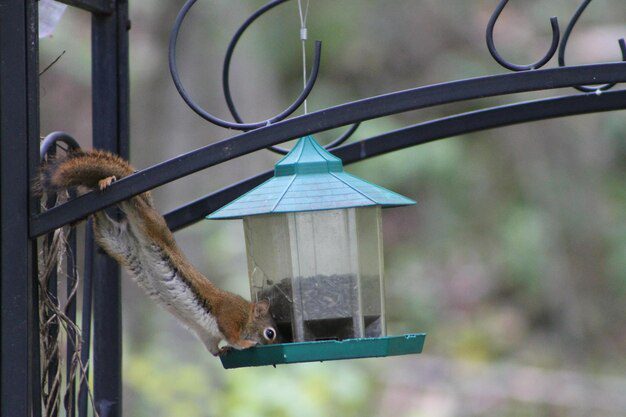
Finally, removing attractants is essential for long-term success.
Secure garbage bins: Use tight or locking lids.
Manage bird feeders: Choose squirrel-proof options and bring them inside at night.
Eliminate water sources: Drain standing water from gutters and containers.
Simply put, if there is nothing to gain, wildlife will not stay.
Conclusion
In conclusion, bio-exclusion design is a smart and humane way to protect your home. By combining prevention, natural deterrents, and thoughtful landscaping, you can keep wildlife away without causing harm.
If problems persist, consider contacting a professional to ensure your home is fully protected.
FAQ Section
What is bio-exclusion design?
Bio-exclusion design is a preventative method of wildlife control that focuses on sealing entry points and removing attractants to keep animals away naturally.
Does vinegar keep animals away?
Yes, vinegar can deter animals due to its strong scent. However, it must be reapplied regularly, especially after rain.
What smells do raccoons hate?
Raccoons dislike strong smells such as peppermint oil, garlic, and cayenne pepper.
 Carly
Carly  Jennifer Williams
  Julie Veenstra