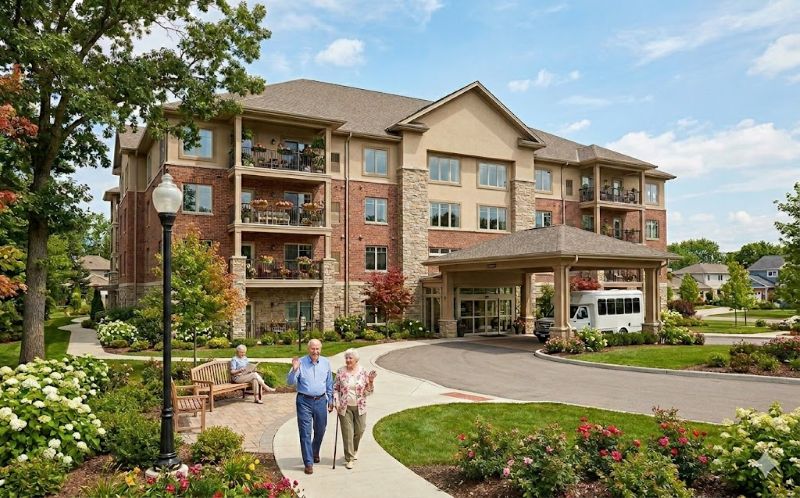
What to Look for in a Retirement Community for Your Family
5 min read
909 words
Choosing a retirement community for a family member is a significant decision that involves careful thought, research, and compassion. This process is not just about selecting a place to live. It is about finding an environment that supports comfort, safety, and overall well being. With so many options available, it can feel overwhelming to determine which factors matter most. By focusing on key elements such as lifestyle, care services, and community atmosphere, families can make informed decisions that align with the needs and preferences of their loved ones.
Evaluating Levels of Care and Support
One of the most important considerations when exploring retirement communities is the level of care provided. Different communities offer varying degrees of support, ranging from independent living to assisted living and specialized memory care. Understanding what type of care your family member needs both now and in the future is essential.
It is helpful to ask detailed questions about available medical services, staff qualifications, and how care plans are developed. Knowing whether health services are provided on site or coordinated with external providers can make a significant difference. Flexibility is also key. A community that can adapt to changing care needs allows residents to remain in a familiar environment as their requirements evolve.
By prioritizing communities that offer comprehensive support options, families can ensure a smoother transition and long term stability for their loved ones.
Considering Location and Accessibility
Location plays a major role in the overall experience of a retirement community. Proximity to family members, healthcare facilities, and familiar surroundings can contribute to a sense of comfort and ease. Being close to loved ones allows for more frequent visits and helps maintain strong personal connections.
Accessibility is another important factor to evaluate. Features such as well maintained walkways, elevators, and easy to navigate layouts can enhance mobility and independence. Transportation options should also be considered, especially for residents who may no longer drive. Access to nearby shopping, parks, and community services adds convenience and supports an active lifestyle.
A well located community helps residents stay connected to both their personal relationships and the broader community around them.
Assessing Amenities and Daily Living Services
Amenities and daily services can significantly impact quality of life within a retirement community. Dining options, housekeeping, fitness programs, and recreational activities all contribute to a comfortable and engaging environment. When touring potential communities, it is important to observe how these services are delivered and whether they align with your family member’s preferences.
In communities such as LakeHouse Sheboygan, residents often benefit from a combination of convenience and lifestyle focused services that support both independence and social engagement. Access to organized activities, communal spaces, and wellness programs can help residents stay active and connected.
Evaluating these offerings allows families to determine whether the community provides a balanced and fulfilling daily experience.
Reviewing Safety and Security Measures
Safety is a top priority when selecting a retirement community. Families should look for features that promote both physical security and peace of mind. This includes secure entry systems, emergency response protocols, and staff availability around the clock.
It is also important to consider how the community handles medical emergencies and whether there are clear procedures in place. Well trained staff and accessible emergency systems can make a significant difference in critical situations. Additionally, safety features such as handrails, proper lighting, and accessible bathrooms contribute to a secure living environment.
Taking the time to review these measures ensures that residents can live comfortably while knowing that support is readily available when needed.
Understanding Community Culture and Social Environment

Beyond physical features and services, the overall culture of a retirement community plays a crucial role in resident satisfaction. A welcoming and inclusive environment can help individuals feel more at home and encourage positive social interactions.
Observing how residents and staff interact during visits can provide valuable insight into the community atmosphere. Are people engaged in activities? Do staff members appear attentive and respectful? These observations can help families assess whether the environment aligns with their loved one’s personality and preferences.
Social opportunities are also important. From group events to hobby clubs, these activities provide avenues for building friendships and maintaining a sense of purpose. A strong sense of community can greatly enhance emotional well being and overall happiness.
Comparing Costs and Financial Considerations
Financial planning is an essential part of the decision making process. Retirement communities vary widely in cost, depending on factors such as location, services, and level of care. It is important to fully understand the pricing structure, including what is included in monthly fees and what may require additional payment.
Families should ask about potential increases in cost over time and whether there are entrance fees or other financial commitments. Creating a clear budget and comparing different options can help ensure that the chosen community is both suitable and sustainable.
Consulting with financial advisors or community representatives can provide clarity and help families make decisions with confidence.
Conclusion
Finding the right retirement community for a family member requires a thoughtful and thorough approach. By focusing on care options, location, amenities, safety, community culture, and financial considerations, families can identify environments that truly support their loved ones’ needs. This decision goes beyond practical concerns. It is about creating a space where individuals can thrive, maintain their independence, and enjoy a meaningful quality of life. With careful planning and attention to detail, families can move forward with confidence and peace of mind.